
HealthSpan
What is a longevity blood test, and which biomarkers actually matter?
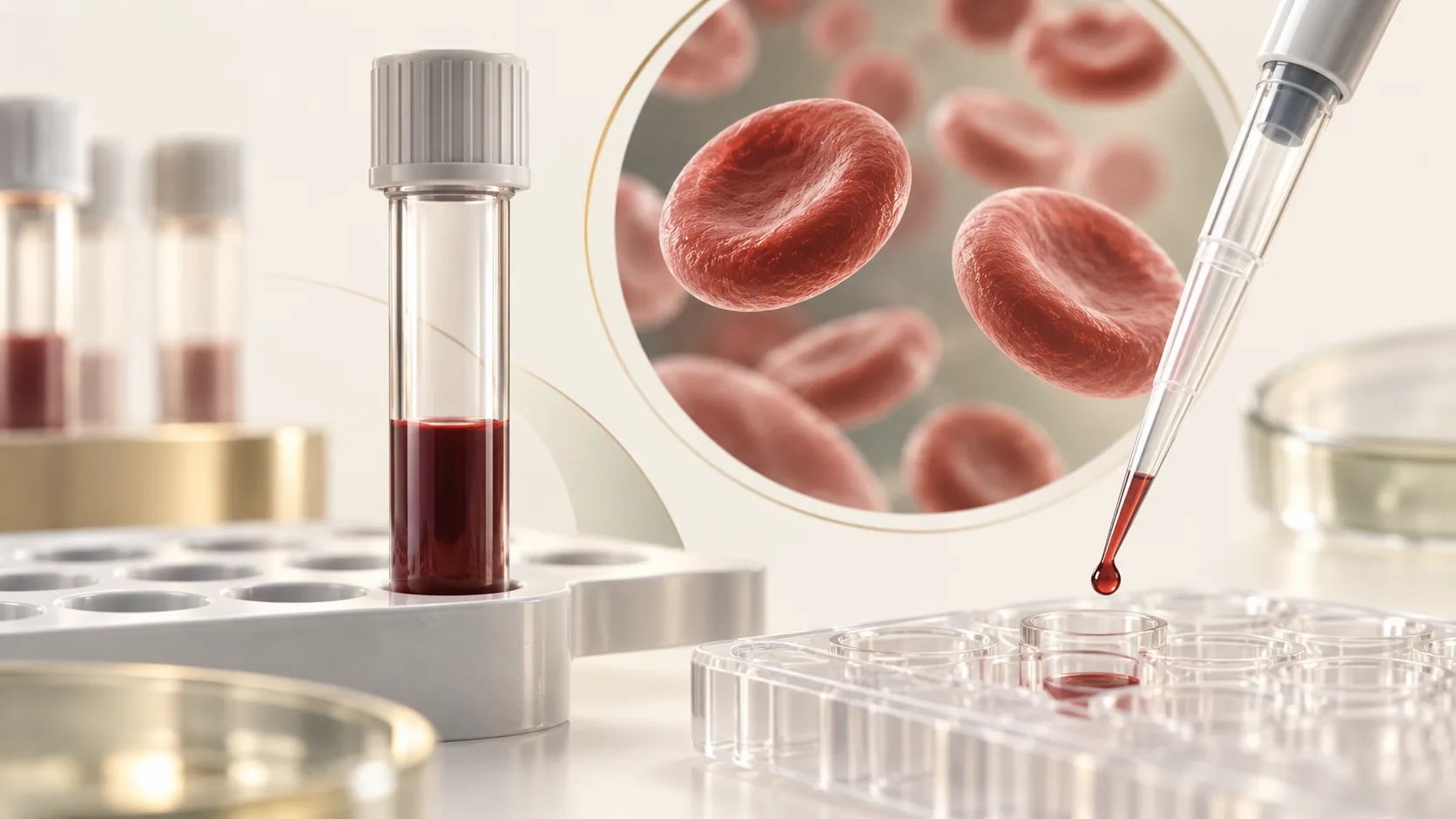
A longevity blood test is a group of blood measurements used to understand aspects of your health that may matter as you get older. The most useful results are those that help you and your expert decide what deserves attention and what you can do about it.
You may feel well and want to understand a family history of illness. Or you may have seen a long list of biomarkers and wondered which ones are relevant to you.
At Hanbury Health, blood testing is part of HealthSpan's wider focus on living well. It contributes to a picture that also includes your body composition, physical function and cognition, so the discussion can connect health risks with everyday capability.
The short version
- Familiar tests, including cholesterol and glucose measurements, remain valuable.
- Additional markers can answer specific questions about cardiovascular or metabolic health.
- Hanbury combines fasting insulin and fasting glucose to calculate HOMA-IR.
- Results need to be interpreted with your history and other findings.
- The purpose is to identify useful next steps and support you in taking them.
What is a biomarker, in plain English?
A biomarker is something we can measure that gives information about what is happening in your body. Blood glucose is one example. Cholesterol measurements are others.
Different markers answer different questions. Some help identify an existing problem. Some contribute to an assessment of future risk. Others help monitor a condition or a response to treatment.
That purpose matters more than whether a test sounds new. A familiar measurement can be highly useful when it informs a clear decision. An additional marker can be helpful when it fills a relevant gap.
The explanation should make sense to you: what does this test tell us, why does it matter in your circumstances and what might we do with the answer?
Which cholesterol measurements matter?
A full lipid profile provides more information than total cholesterol alone. Its components help an expert understand the fats carried in your blood and consider cardiovascular risk.
NICE recommends interpreting lipid results alongside your clinical picture and family history. Blood pressure, smoking, diabetes and other relevant factors contribute to the wider assessment.1
This means two people with a similar cholesterol result may have different discussions about what to do next. The result is part of an individual assessment, rather than a judgement made in isolation.
Additional lipid markers may be relevant too. Lp(a), for example, can provide information about an inherited risk factor. The companion article on ApoB, Lp(a) and insulin explains how these measurements differ.
What do glucose and HbA1c tell you?
Glucose testing measures the concentration of glucose in your blood at the time of sampling. HbA1c gives information about glucose exposure over a longer period through changes in haemoglobin, the protein in red blood cells.
They have established roles in identifying and monitoring problems with glucose regulation. Interpretation still depends on the test conditions and your clinical circumstances.3
If a result needs further assessment, the expert should explain how it will be checked and what it may mean. A diagnosis follows recognised clinical criteria, with confirmation where needed.
For you, the practical value is understanding whether glucose regulation needs attention and how it fits with the rest of your health. A single result should not be expected to explain every aspect of energy, weight or future wellbeing.
Why does Hanbury measure insulin as well as glucose?
Insulin helps regulate glucose. Looking at fasting insulin together with fasting glucose gives a different perspective from looking at either measurement alone.
Hanbury uses those paired fasting values to calculate HOMA-IR, a model-based estimate of insulin resistance. The clinical question is how the relationship between glucose and insulin contributes to your metabolic picture.
HOMA has an established research history. A methodological review by Wallace and colleagues describes its use and the importance of reliable measurements and careful interpretation.4
Within HealthSpan, the result is considered alongside other information. It can contribute to the conversation about metabolic health, while the practical plan remains grounded in the whole assessment and your goals.
What can HOMA-IR tell you, and what are its limits?
HOMA-IR provides an estimate, rather than directly measuring every aspect of insulin action. Its meaning depends partly on the measurements and method used.
There is no single threshold that works as a universal verdict on everyone's metabolic health. Insulin assays can vary, and the added value of routine insulin testing is less established than that of standard glucose-based testing.
The 2023 AACC/ADA laboratory guideline does not recommend routine insulin testing for most people with diabetes or at risk of diabetes or cardiovascular disease.3 This is why HOMA-IR should be explained as contextual information, rather than presented as an essential standalone screening test or a diabetes diagnosis.
That distinction helps you use the result sensibly. The question is whether it adds to your overall assessment and informs appropriate action, not whether you can pursue the lowest possible number.
Related reading: Biological age tests: useful health signal or expensive number?
What does Lp(a) add?
Lipoprotein(a), usually written Lp(a), is a largely inherited cardiovascular risk factor. It may be particularly relevant to a conversation about family history, although a family history is not required for a raised level.
The European Atherosclerosis Society recommends measuring Lp(a) at least once in adulthood and interpreting it within overall cardiovascular risk.2
A raised result does not mean that you have a blocked artery. It adds information that can help guide a discussion about the risks that can be managed.
This is a good example of why a blood test can be useful even if it does not measure something you can feel. The value lies in informed decisions, not in giving you another number to worry about.
Do other blood markers belong in an assessment?
They may do, depending on the question. Tests related to kidney or liver function, for example, have their own clinical purposes. A symptom or an existing condition may also justify a more focused investigation.
A broader panel can bring several areas into one review. The important part is that the expert explains which findings are relevant and how they relate to your history.
Some results will need action, some may be useful to monitor and others may not change your plan. A normal result can also contribute useful information, provided it is not treated as reassurance about something the test does not assess.
You should leave the discussion with priorities. Understanding a handful of meaningful findings is more useful than feeling responsible for interpreting every line of a laboratory report yourself.
What does “within the normal range” actually mean?
A laboratory reference range helps interpret a result, but it is not always the same as an individual treatment target. Some decisions depend on your overall risk or an existing condition.
Equally, a value outside a range does not automatically establish disease. It may need context, repetition or another investigation before its significance is clear.
The expert's role is to explain that distinction in everyday language. Does the result need attention now? Does it need checking? Or is it unlikely to change your care?
This approach makes room for useful detail without turning every small variation into a problem. Your results should help you understand your health, with uncertainty explained where it affects the decision.
How should you prepare for blood testing?
Follow the instructions for your assessment. Fasting requirements matter for the paired glucose and insulin measurements used in HOMA-IR, but preparation is not identical for every blood test.
If you take medicines or have a condition that makes fasting more complicated, ask the team for individual instructions. Do not stop prescribed treatment on your own.
Bring relevant previous results and mention recent illness or changes in treatment. This helps the expert interpret differences and decide whether a repeat measurement would be useful.
There is no need to try to produce a “good” result. The purpose is to understand your health under the appropriate test conditions so the advice is relevant to you.
What should happen after you receive your results?
The discussion should connect the findings with a clear next step. That might include medical follow-up, support with suitable activity or a plan to review a particular measurement.
If you are working on physical capability, blood results can be considered alongside what you can do. A plan might address cardiovascular risk while also supporting strength or fitness, rather than treating these as separate projects.
Ask what support is included and when a review would help. Knowing how to begin is often the most useful part of understanding a result.
How can you discuss blood testing in Milton Keynes?
Hanbury's HealthSpan page explains the assessment packages and prices. Contact us allows you to discuss your questions and any existing results before booking.
If you have a specific symptom, include it in your enquiry. The team can help identify whether HealthSpan or a focused medical assessment is the appropriate starting point.
Why Hanbury Health is different
Blood results at Hanbury Health contribute to a wider conversation about how you live and what you want to maintain. They can be interpreted with body composition, physical function and cognition by the consultant leading your assessment.
That connection helps turn the report into practical priorities. The aim is to support informed medical decisions and manageable changes that help you stay active and capable.
Frequently asked questions
Is there a single best longevity blood test?
There is no universal panel for everyone. The useful choice depends on your history, goals and the decisions the results could inform. Interpretation and support are central to its value.
Does a longevity blood test measure how long I will live?
No. Blood markers can contribute information about health and risk. They cannot give a reliable personal prediction of how long you will live or how capable you will be at a particular age.
Is HOMA-IR part of HealthSpan?
Yes. Hanbury combines fasting insulin and fasting glucose to calculate HOMA-IR. It is interpreted as an estimate within the wider metabolic assessment.
Can HOMA-IR diagnose diabetes?
It is not a standalone diabetes diagnostic test. Established glucose or HbA1c criteria and appropriate clinical assessment are used for that purpose.
Do all the tests require fasting?
Requirements vary. The paired measurements for HOMA-IR require appropriate fasting conditions. Follow the instructions supplied for your assessment and ask about any medicines or health concerns.
How can I arrange HealthSpan blood testing in Milton Keynes?
Begin through Contact us. The team can discuss your priorities, explain the packages and identify the appropriate route before an appointment is booked.
References
- NICE. Cardiovascular disease: risk assessment and reduction, including lipid modification (NG238). NICE. 2023.
- Kronenberg F, Mora S, Stroes ESG, et al. Lipoprotein(a) in atherosclerotic cardiovascular disease and aortic stenosis: a European Atherosclerosis Society consensus statement. European Heart Journal. 2022.
- Sacks DB, Arnold M, Bakris GL, et al. Guidelines and Recommendations for Laboratory Analysis in the Diagnosis and Management of Diabetes Mellitus. Diabetes Care. 2023.
- Wallace TM, Levy JC, Matthews DR. Use and abuse of HOMA modeling. Diabetes Care. 2004.
Blood results are useful when they lead to proportionate decisions about your health.
The Hanbury team can review your enquiry and help identify the appropriate next step before any appointment is booked.
About the author: Prof Arul Ramasamy is a consultant orthopaedic surgeon and a founder of Hanbury Health. He holds a PhD in bioengineering from Imperial College London, where he is a Visiting Professor, and is a Fellow of the Royal College of Surgeons (Trauma and Orthopaedics). He leads Hanbury's approach to recovery, performance and long-term health.
General information, not medical advice. Written by Prof Arul Ramasamy. Medically reviewed by Prof Arul Ramasamy MA PhD MBA FRCS(Tr+Orth). Last reviewed: 6 September 2026.
Related insights

HealthSpan
Longevity medicine in Milton Keynes: what should a proper assessment actually measure?
A practical Milton Keynes guide to risk, physical function, cognition and a plan you can actually use.
Ramasamy10 min readRead the article
HealthSpan
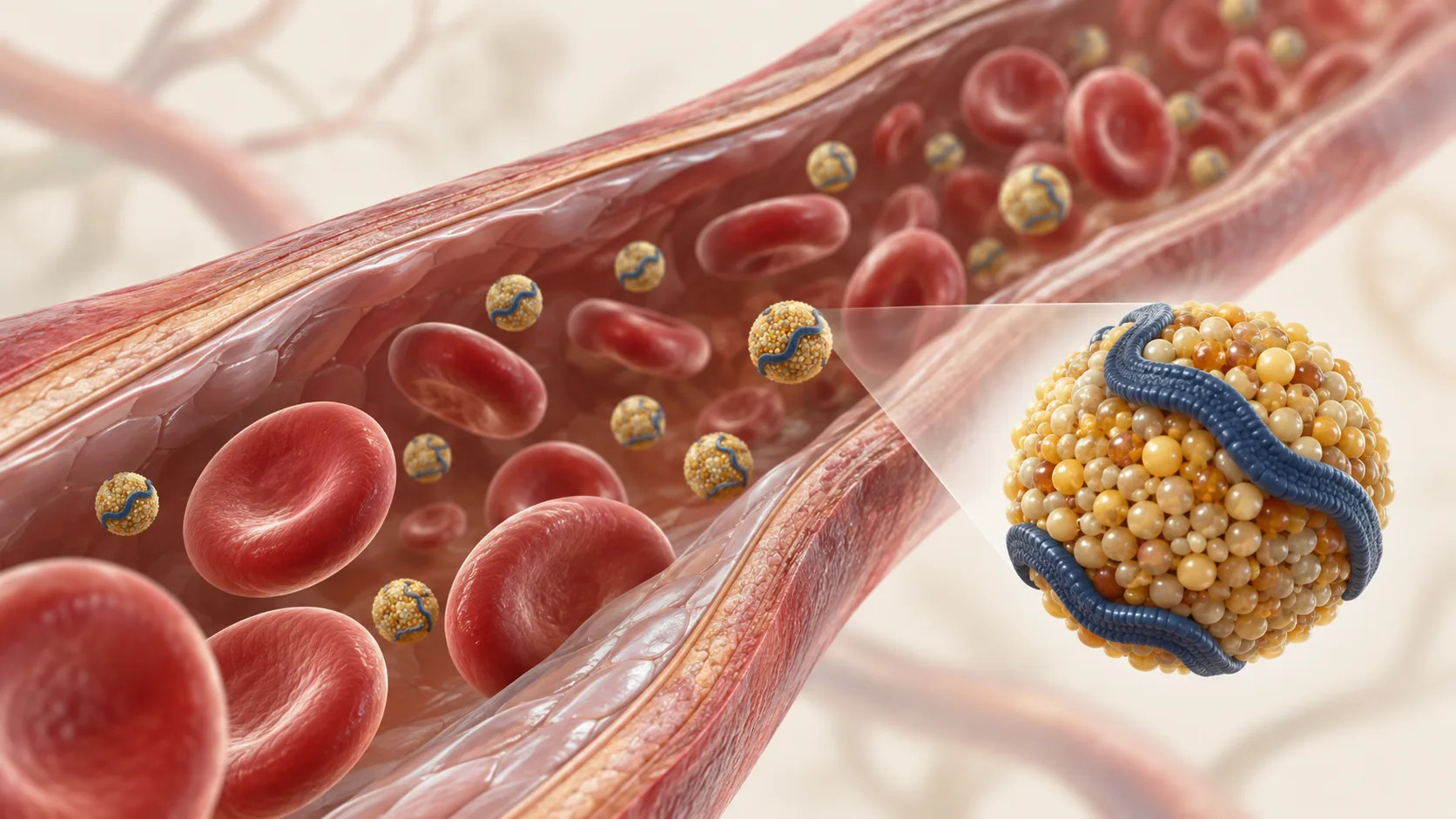
ApoB, Lp(a) and insulin: what can they tell you that standard cholesterol and glucose may not?
What these three markers add to standard cholesterol and glucose results, and where their limits matter.
Ramasamy11 min readRead the article

HealthSpan
Biological age tests: useful health signal or expensive number?
What biological-age clocks measure, how uncertain they are, and whether a result changes anything.
Ramasamy10 min readRead the article
Stay informed
More from the Hanbury team.
New articles on recovery, movement, physiotherapy and performance, sent when there's something worth reading. No spam, unsubscribe any time.