
HealthSpan
Strength and healthy ageing: why muscle function matters more than the number on the scales
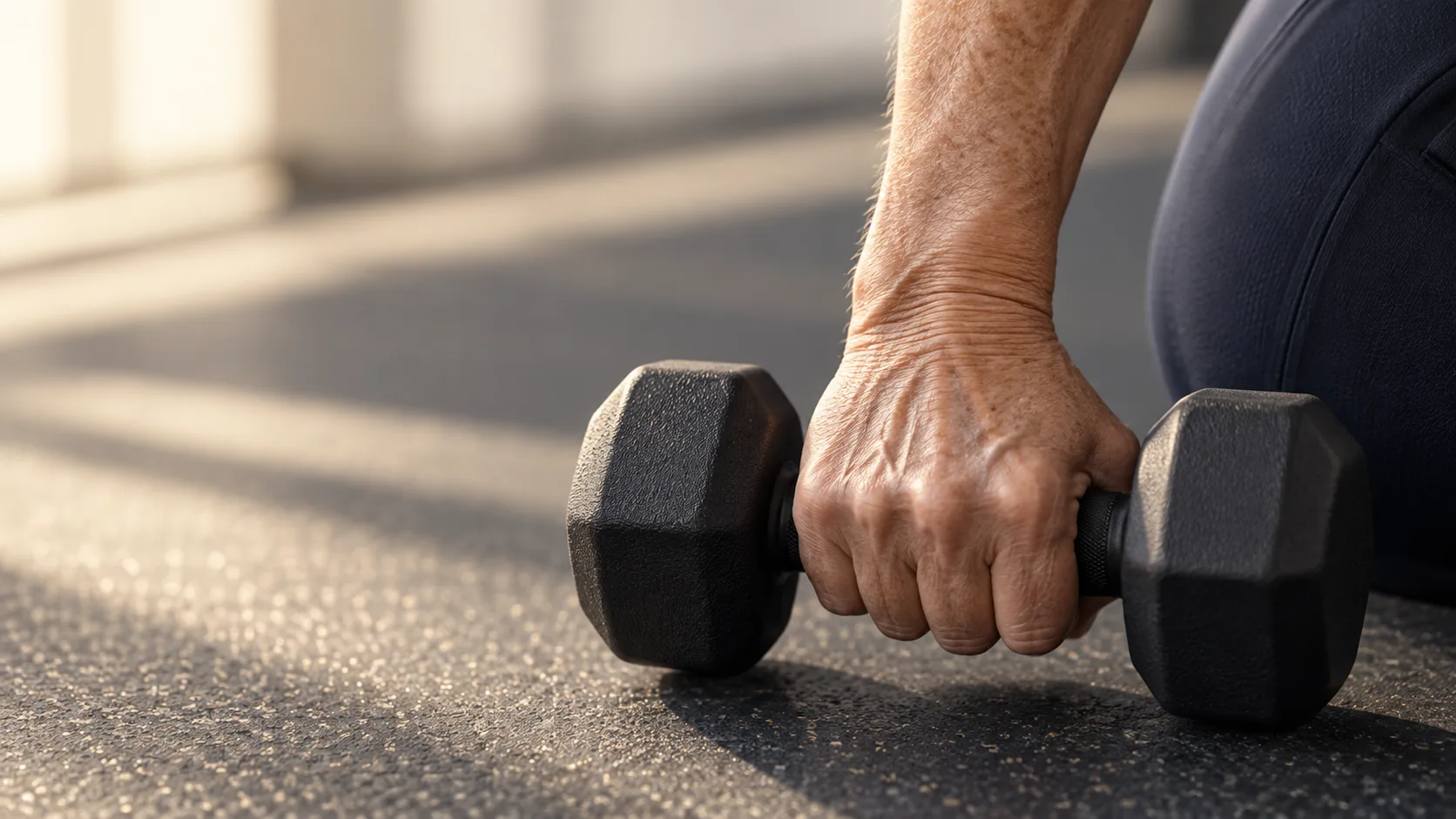
Muscle strength matters because it helps you do the ordinary things that keep life independent and enjoyable. Your weight or muscle-size estimate cannot tell you how comfortably you can stand, lift, carry or climb.
You might first notice the difference when carrying shopping, getting up from a low chair or lifting luggage. These tasks can seem too ordinary to think of as health goals, yet they are exactly the capabilities many people want to protect as they age.
HealthSpan puts those abilities at the centre of the conversation. The aim is to understand your starting point and support useful changes, so you can keep taking part in life.
The short version
- Strength is about what your muscles can do, not just how they look.
- Body composition and physical function provide different information.
- Grip, chair-rise and walking tasks can help assess aspects of capability.
- Suitable strengthening belongs alongside aerobic activity in a balanced routine.
- Progress should connect with the tasks and activities that matter to you.
Why does strength become so relevant as you get older?
Daily life keeps asking your body to produce force. You stand up, climb steps, carry bags and move objects. The task may stay the same even if the effort it requires begins to change.
Having more capacity available can make those demands easier to manage. That is a useful way to think about strength: the ability to meet what your life asks of you.
Your goal does not need to involve heavy gym equipment or a particular appearance. It may be getting down to garden, carrying a grandchild comfortably or feeling confident with stairs.
Noticing a change gives you something to work on. It is worth understanding why the task has become harder rather than assuming nothing can be done because you are older.
What is the difference between muscle size and muscle function?
Muscle size describes an aspect of the tissue. Strength describes force production. Physical performance concerns how you complete a task involving several abilities.
They are related, but they are not the same. A body-composition estimate cannot replace asking you to perform an appropriate strength or movement task.
The European consensus on sarcopenia reflects this distinction. Low strength is central to identifying probable sarcopenia, with low muscle quantity or quality used to confirm it; poor physical performance helps indicate severity.1
This is a clinical framework, not a reason to diagnose yourself from one result. It explains why an assessment of muscle health needs more than a number on the scales.
What is sarcopenia, and should you be concerned about it?
Sarcopenia is a condition involving reduced muscle strength and muscle quantity or quality. It is particularly relevant in older adults, although muscle problems need individual assessment at any age.
The term can sound distant from everyday life. In practice, the useful starting point is often a change in function: difficulty rising, carrying or moving at your usual pace.
An expert can assess what is contributing, including pain, illness and the way a test is performed. Diagnostic thresholds developed for particular populations should not be treated as universal targets for every person in midlife.1
You do not need a diagnosis before taking an interest in strength. Maintaining and developing capability is a worthwhile goal in its own right.
What can grip strength tell you?
Grip testing measures the force you can produce with your hand under a defined procedure. It is one recognised way to assess muscle strength within the sarcopenia framework.1
It is convenient, but context matters. Hand pain, an injury or differences in position and equipment can affect a result.
A grip score also cannot tell you everything about your legs, balance or ability to sustain activity. It belongs with the rest of the assessment.
For you, the useful question is what the finding suggests and whether another task or a practical plan would help. Repeating a test is most informative when the method is consistent and the reason for comparison is clear.
Why test getting out of a chair or walking?
These tasks connect measurement with everyday function. Rising from a chair explores a different demand from gripping an object; walking and balance tasks add further information.
Their usefulness depends on your starting point. A simple chair-rise task may be informative for one person and too easy to reveal much for someone else.
The expert should also consider the conditions. Chair height, instructions, pain and confidence can influence performance. Standardising the method helps make comparisons more meaningful.1
The result should help explain what you can work on. If getting up from a low seat is your actual concern, it makes sense for that concern to remain visible in the plan.
How can you begin strength training?
Start with movements and resistance that suit your current ability. Strength work can use body weight, bands, machines or weights. The equipment is a way to create a suitable challenge.
NHS guidance for adults aged 19 to 64 recommends strengthening involving the major muscle groups on at least two days each week.2 Older-adult guidance also includes strength, balance and flexibility at least twice weekly.3
If you are new to training or returning after a break, advice can help you learn the movements and choose an appropriate starting level. You do not have to begin with the routine of someone who has trained for years.
The plan should be understandable enough to repeat. Confidence with a few suitable movements is a useful foundation for building the routine.
Does Pilates count as strength training?
It can contribute, depending on the exercises, resistance and how challenging they are for you. The label of the session matters less than what your muscles are being asked to do.
A balanced programme needs to address the relevant muscle groups and provide an appropriate challenge. As an activity becomes easier, the plan may need to develop.
Pilates may be one part of your routine, with other strengthening included where useful. Your preferences, goals and any movement limitations should help shape that combination.
If you already attend classes, explain what you do when discussing your assessment. It gives the expert a useful starting point and helps build on an activity you enjoy.
What if pain or a previous injury makes strengthening difficult?
That is a reason to adapt the plan and seek appropriate advice. It does not mean you must either stop moving altogether or force yourself through a painful exercise.
Describe which movements are difficult, what you have already tried and what you would like to return to. An assessment can help identify the relevant next step.
Progress may involve changing the exercise, the resistance, the range of movement or the support available. Some symptoms need medical investigation before a training plan is developed.
The goal is a routine that works with your circumstances and can develop over time. Feeling confident about what you are doing is part of making it sustainable.
Can losing weight make you stronger?
A lower weight does not establish that strength has improved. The relationship depends on what has changed and how your body performs.
If changing weight is part of your health plan, it is useful to keep strength and everyday function in view. Can you still do the tasks that matter to you? Is the training manageable? What does the wider assessment show?
This gives you more than one way to review progress. A scale reading can be relevant without becoming the only outcome you notice.
For HealthSpan, the priority is a body that supports the life you want. Appearance and weight alone cannot fully describe that.
How do strength and cardio work together?
Strength helps you meet a task's force demands; aerobic fitness helps you sustain activity. Carrying luggage through a station or enjoying a day out can involve both.
NHS guidance recommends both strengthening and aerobic activity.2 You can therefore think of them as complementary parts of a routine.
If you already walk regularly, adding suitable strengthening may address a gap. If you mainly train with weights, consider where sustained activity fits.
A useful plan should be manageable across your week. The companionarticle on strength and cardio explores how to combine them without making training take over your life.
How can you discuss strength assessment in Milton Keynes?
HealthSpan includes core physical-function assessment, with more extensive strength and movement testing in Performance and Elite. The live programme page explains the packages and prices.
Use Contact us to describe your goals and any difficulties. The team can help identify whether a broader assessment, rehabilitation or training support is the right starting point before booking.
Why Hanbury Health is different
Hanbury Health can connect the assessment of strength with experts who understand movement and rehabilitation. A result can be discussed in relation to pain, confidence and the activities you want to maintain.
Within HealthSpan, that practical picture also sits alongside medical findings, body composition and cognition. The aim is to help you build usable strength and recognise progress in daily life.
Frequently asked questions
Is muscle strength more useful than body weight?
They provide different information. If your goal is carrying, climbing or rising comfortably, strength and function need direct attention. Weight alone cannot describe those abilities.
Does low grip strength diagnose sarcopenia?
It can contribute to assessment, but a diagnosis needs the appropriate clinical framework and other information. Pain, method and the wider picture affect interpretation.
Can I start strength training later in life?
You can discuss a suitable starting point at any age. Your current health, ability and goals should guide the plan, with individual support when needed.
How often should I do strengthening?
General NHS guidance recommends at least two days a week. The movements and challenge should suit you, particularly after inactivity, illness or injury.
Do I need to use heavy weights?
You need an appropriate challenge, which can be created in different ways. Body weight, bands, machines and weights are possible tools. An expert can help you choose a suitable approach.
Can Hanbury help with strength in Milton Keynes?
Contact the team with your goals and any movement difficulties. They can discuss HealthSpan and appropriate rehabilitation or training support before booking.
References
Protect the strength to do the things that matter to you.
The Hanbury team can review your enquiry and help identify the appropriate next step before any appointment is booked.
About the author: Prof Arul Ramasamy is a consultant orthopaedic surgeon and a founder of Hanbury Health. He holds a PhD in bioengineering from Imperial College London, where he is a Visiting Professor, and is a Fellow of the Royal College of Surgeons (Trauma and Orthopaedics). He leads Hanbury's approach to recovery, performance and long-term health.
General information, not medical advice. Written by Prof Arul Ramasamy. Medically reviewed by Prof Arul Ramasamy MA PhD MBA FRCS(Tr+Orth). Last reviewed: 6 September 2026.
Related insights

HealthSpan
Healthspan vs lifespan: what are you actually trying to protect as you age?
Healthspan is about how well you live. Strength, independence, thinking and the everyday abilities worth protecting.
Ramasamy11 min readRead the article
HealthSpan
VO₂ max and longevity: why cardiorespiratory fitness matters as you get older
Why cardiorespiratory fitness matters with age, and how estimated and measured results differ.
Ramasamy10 min readRead the article
HealthSpan
Strength adds life to your years and cardio adds years to your life: why you need both
An evidence-honest guide to what each brings, and a weekly routine that fits around real life.
Ramasamy12 min readRead the article
Stay informed
More from the Hanbury team.
New articles on recovery, movement, physiotherapy and performance, sent when there's something worth reading. No spam, unsubscribe any time.