
HealthSpan
VO₂ max and longevity: why cardiorespiratory fitness matters as you get older
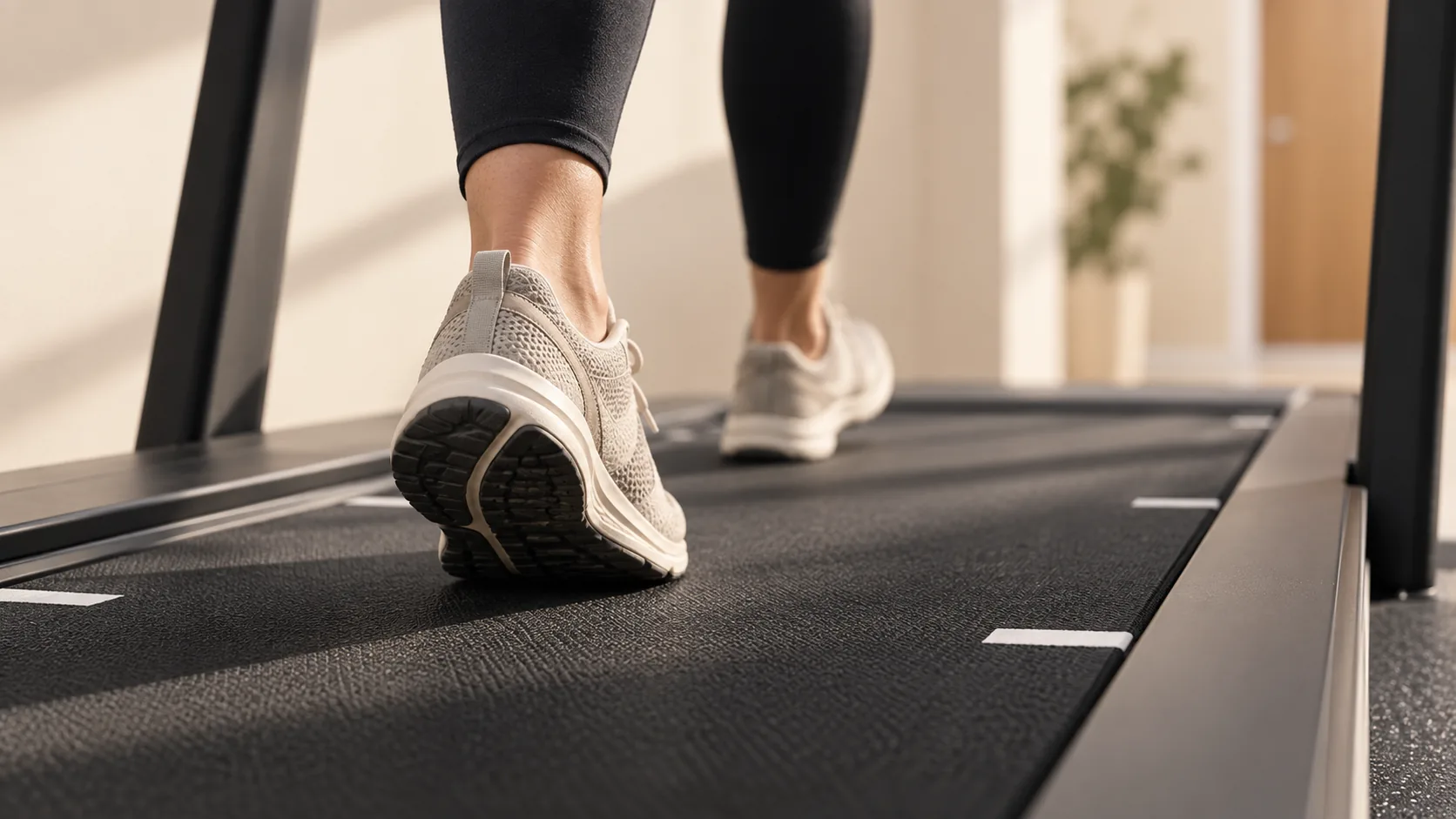
VO₂ max describes the maximum rate at which your body can use oxygen during intense exercise. It is a measure of cardiorespiratory fitness, which matters both for long-term health and for having the capacity to keep doing activities you enjoy.
You do not need to be a runner to care about it. Walking around a city, climbing a hill or spending an active afternoon with your family all ask your body to sustain effort.
For HealthSpan, that everyday capacity is the central point. Understanding your fitness can help you plan how to build or maintain it, so activity remains part of a life you enjoy.
The short version
- Cardiorespiratory fitness helps you sustain activity comfortably.
- Higher fitness is consistently associated with better long-term health outcomes.
- A directly measured VO₂ max and a submaximal estimate are different methods.
- A useful plan starts from your health, current ability and goals.
- Progress can mean an easier familiar walk, as well as a change in a test result.
What does VO₂ max mean in everyday life?
Your body uses oxygen to support sustained activity. Cardiorespiratory fitness reflects the combined ability of the systems involved to meet that demand.
VO₂ max describes the upper end of that capacity. Much of ordinary life happens well below it, but the amount of capacity available can affect how demanding an activity feels.
Think about a hill you walk regularly. If the walk takes a large share of your available capacity, it may feel like the main event of the day. A useful fitness goal is to make that familiar effort more manageable.
The number therefore has a practical connection with quality of life. It is a way of discussing capacity, rather than a sporting score you must compete over.
Why does fitness matter for long-term health?
Research consistently links higher cardiorespiratory fitness with better health outcomes. A large overview published in the British Journal of Sports Medicine examined meta-analyses drawing on 199 unique cohort studies and found consistent associations with lower mortality and several disease outcomes.1
These were observational findings. People differ in illness, activity and many other ways, so the research cannot tell you exactly how many years you would gain by improving a test result.
The American Heart Association has also highlighted the value of fitness assessment in adding information to traditional cardiovascular risk factors.2
Together, this evidence supports considering fitness as part of health. It also leaves room for the more immediate goal: having enough capacity to participate in the things that make life worthwhile for you.
Can you be a healthy weight but have limited fitness?
Weight and fitness answer different questions. Your weight does not tell you how comfortably you can sustain walking, cycling or another activity.
Likewise, looking fit is not the same as having measured aerobic capacity. A person may do regular strength work yet rarely undertake sustained activity, or walk often without having considered how demanding it feels.
This is why it helps to ask about actual experience. What can you do comfortably? What has become harder? What would you like to return to?
Those questions can guide whether a formal test would add useful information or whether the first step is advice about a suitable routine.
How is VO₂ max measured or estimated?
A direct measurement involves analysing breathing gases during an exercise test taken to an appropriate maximal effort. A submaximal test uses information gathered below maximum effort to estimate capacity.
Other estimates may come from prediction equations or consumer devices. These methods are not interchangeable, even if the results use similar units.
At Hanbury Health, the HealthSpan Performance and Elite packages use a UVIDA metabolic mask to analyse your breathing during exercise. This allows us to estimate your VO₂ max without taking you to maximum effort, helping you understand your aerobic fitness and guide an appropriate training plan.
The focus is on building fitness you can use: walking further, managing hills more comfortably or enjoying an active day with your family. Repeating the assessment under similar conditions can help us review your progress and adjust your plan.
What is a good VO₂ max for your age?
There is no single number that everyone should aim for. Comparisons depend on factors such as age, sex, the method used and the reference population.
An expert can help explain where your result sits and whether that information changes your plan. The next question is how your current capacity relates to your goals.
If you want to enjoy a walking holiday, your plan should address the demands of that holiday. If you are returning to activity after a long break, an achievable first step may matter more than reaching a particular category on a chart.
Your result is a starting point for discussion. It should help you move forward, rather than make you feel that one score defines your health.
How can you start improving aerobic fitness?
Choose an activity you can do regularly and that provides an appropriate sustained challenge. Brisk walking, cycling or swimming may be options, depending on your health and starting point.
NHS guidance for adults aged 19 to 64 recommends at least 150 minutes of moderate activity or 75 minutes of vigorous activity weekly, alongside strengthening on at least two days.3
If you have been inactive, begin with less and build gradually. An expert can help adapt the plan when symptoms, a medical condition or a previous injury affect what is suitable.
The first useful change is often a routine you can repeat. It might be a regular walk fitted around work or a familiar activity scheduled with someone you enjoy spending time with.
Do you need very hard interval training?
You do not need to begin with the hardest option to make a worthwhile start. The appropriate challenge depends on your current ability and what you can sustain safely and consistently.
General activity guidance includes moderate activity as well as vigorous activity.3 A plan can therefore start with manageable effort and develop as your capacity and confidence improve.
Harder sessions may have a place for some people, but they should have a purpose. If a routine leaves you unable to enjoy the rest of your week, it may need adjusting.
New chest discomfort, unusual breathlessness or faintness needs medical attention. These symptoms should not be treated as signs that a session is working well.
Where does strength training fit?
Fitness helps you keep going; strength helps you meet the forces involved in daily tasks. A long day out may ask for both sustained walking and the ability to carry bags or manage stairs.
NHS guidance includes both aerobic activity and strengthening because they address complementary needs.3
If you already walk or cycle regularly, consider whether your week also includes suitable resistance work. If you mainly lift weights, consider where sustained aerobic activity fits.
You can build a balanced routine without making every session complicated. The companion article on combining strength and cardiogives an example of how they can sit together in a week.
How can you track progress without becoming preoccupied with the number?
Choose a familiar activity that relates to your goal. Notice whether it feels more manageable, whether you can sustain it comfortably and whether you recover in a way that fits the rest of your day.
A training record can help you see changes in duration or workload. A formal reassessment may add information when the method and conditions are comparable.
Look at these findings together. A single change in an estimated score should not outweigh everything else you know about how you are functioning.
The useful outcome is greater usable capacity. Being able to enjoy the walk and still feel ready for the afternoon is a meaningful reason to keep working on fitness.
How can you discuss VO₂ max testing in Milton Keynes?
The HealthSpan page explains the packages and prices. Performance and Elite include the submaximal fitness assessment; Foundation does not.
Use Contact us to describe your goals and any symptoms before choosing a package. The team can help identify whether fitness assessment, practical training support or a different medical route would be useful.
You do not need to arrive with a target score. "I want to feel more comfortable being active" is a good starting point.
Why Hanbury Health is different
HealthSpan places fitness beside medical risk and everyday function. The consultant can consider your aerobic result with blood biomarkers, body composition, strength and cognition, rather than leave it as an isolated performance number.
Hanbury's experts can help connect that understanding with suitable activity and training. The purpose is to build capacity you can use in your own life, with progress reviewed against the activities you want to maintain.
Frequently asked questions
What does VO₂ max measure?
It describes the maximum rate of oxygen use during intense exercise and is a measure of cardiorespiratory fitness. Some assessments estimate it from submaximal exercise rather than measure it directly.
Does a higher VO₂ max guarantee a longer life?
No. Higher fitness is associated with better outcomes in research, but an individual result cannot guarantee lifespan or freedom from illness.
Can walking help me work on fitness?
Walking can contribute to aerobic activity when the effort is appropriate to your starting point. Your plan can develop gradually, with individual advice if symptoms or health conditions affect participation.
Do I need a fitness test before exercising?
Not everyone needs a formal test before beginning suitable activity. Testing is most useful when it answers a relevant question. Symptoms or medical concerns may require assessment first.
Should I keep doing strength work too?
Yes, a balanced routine generally includes both. Strength and aerobic activity address different demands, and NHS adult guidance recommends both each week.
Can I have a HealthSpan fitness assessment in Milton Keynes?
Performance and Elite include a submaximal VO₂ max estimate. Contact the team to discuss your goals and the appropriate route before booking.
References
- Lang JJ, Prince SA, Merucci K, et al. Cardiorespiratory fitness is a strong and consistent predictor of morbidity and mortality among adults: an overview of meta-analyses representing over 20.9 million observations from 199 unique cohort studies. British Journal of Sports Medicine. 2024.
- Ross R, Blair SN, Arena R, et al. Importance of Assessing Cardiorespiratory Fitness in Clinical Practice: A Case for Fitness as a Clinical Vital Sign: A Scientific Statement From the American Heart Association. Circulation. 2016.
- NHS. Physical activity guidelines for adults aged 19 to 64. NHS. 2024.
Build the fitness that makes everyday life and valued activities more manageable.
The Hanbury team can review your enquiry and help identify the appropriate next step before any appointment is booked.
About the author: Prof Arul Ramasamy is a consultant orthopaedic surgeon and a founder of Hanbury Health. He holds a PhD in bioengineering from Imperial College London, where he is a Visiting Professor, and is a Fellow of the Royal College of Surgeons (Trauma and Orthopaedics). He leads Hanbury's approach to recovery, performance and long-term health.
General information, not medical advice. Written by Prof Arul Ramasamy. Medically reviewed by Prof Arul Ramasamy MA PhD MBA FRCS(Tr+Orth). Last reviewed: 6 September 2026.
Related insights
HealthSpan
Strength and healthy ageing: why muscle function matters more than the number on the scales
Why what your muscles can do matters more than your weight, and which strength measures are useful.
Ramasamy10 min readRead the article
HealthSpan
Strength adds life to your years and cardio adds years to your life: why you need both
An evidence-honest guide to what each brings, and a weekly routine that fits around real life.
Ramasamy12 min readRead the article

HealthSpan
What happens during a Hanbury HealthSpan assessment in Milton Keynes?
Preparation, the morning itself, how the packages differ and what your report contains.
Ramasamy11 min readRead the article
Stay informed
More from the Hanbury team.
New articles on recovery, movement, physiotherapy and performance, sent when there's something worth reading. No spam, unsubscribe any time.