
Move · Physiotherapy
Neck pain physiotherapy in Milton Keynes
A stiff neck that has crept up over weeks, a neck that seized after a bad night's sleep, and a neck that hurts since a car stopped short behind you are three different starting points that often end up needing the same thing: an accurate assessment and a reason to keep moving, not a collar and rest. The evidence on neck pain has moved firmly in one direction over the last decade, and staying still is rarely part of it.
Not sure what you need? Call 01908 330 243
What this usually is
Mechanical (non-specific) neck pain is the most common presentation: pain and stiffness in the neck and upper shoulder area, often linked to posture, stress, or how you have been sleeping or working, without a specific injury.
Whiplash-associated disorder follows a sudden acceleration-deceleration event, most often a road traffic collision, causing neck pain, stiffness and sometimes headache or dizziness that can take a day or two to fully appear after the event.
Cervicogenic headache is a headache that originates from the neck itself, usually one-sided, often starting at the base of the skull and spreading forward, and typically worse with certain neck positions or movements.
Cervical radiculopathy is nerve-root irritation in the neck causing pain, pins and needles, numbness or weakness that travels down the arm, sometimes with neck pain and sometimes without — the arm symptoms can be the dominant complaint.
Getting the pattern right changes the plan: a nerve-related arm symptom is assessed and monitored differently from mechanical neck stiffness, and whiplash has its own evidence-based early-management approach — see Section 5.
When it is worth getting checked
Seek urgent medical attention the same day, at A&E or an urgent care service, if you have
- Severe neck pain with a high fever, or a neck that is too stiff to touch your chin to your chest, alongside feeling generally very unwell — possible meningitis, a genuine emergency
- Neck pain following significant trauma (a fall from height, a road traffic collision, a diving injury) — possible fracture, needs same-day imaging
- Weakness or clumsiness in both hands, difficulty with fine motor tasks like buttons, an unsteady walk, or new bladder or bowel changes alongside neck symptoms — possible cervical myelopathy (spinal cord compression), which needs prompt specialist assessment rather than physiotherapy first
- Sudden, severe headache described as “the worst headache of my life,” especially with neck stiffness, vomiting, or visual changes
Speak to your GP before booking physiotherapy if you have
- Progressive weakness, numbness or pins and needles in an arm that is getting worse rather than settling
- Pain that is constant, unrelated to movement, or comes with unexplained weight loss, fever or night sweats
- A history of cancer, with new neck pain
For everything else, physiotherapy is a sensible starting point. You do not need a GP referral or a scan to be seen. This page is general information and does not replace an individual assessment — if anything above applies to you, please contact your GP or A&E rather than relying on this page alone.
What your first appointment involves — and what it costs
Sixty minutes: a full history, an examination, an objective baseline where relevant, an explanation you can repeat to someone else, hands-on treatment where appropriate, a plan, a review point, and onward referral if that is the better next step.
Read more on what to expect at your first physiotherapy appointment in Milton Keynes.
Pricing
Clear, simple fees.
The same rate applies to adults and children/adolescents.
Initial assessment
£110
60 minutes, including history, examination, diagnosis, and your first plan.
Follow-up appointment
£70
Ongoing treatment, progress checks, and plan adjustments.
Using private medical insurance? See the FAQ below.
How we treat it here
Assessment first — a full history and a neurological screen where arm symptoms are present, to establish whether this is mechanical neck pain, whiplash, cervicogenic headache or radiculopathy, since the evidence base and the plan differ across them.
For mechanical and chronic neck pain, a Cochrane systematic review of therapeutic exercise found that combined cervical and scapulothoracic stretching and strengthening produced a moderate, meaningful reduction in pain and improved function, with patients reporting high satisfaction with exercise-based care (Kay TM, Gross A, Goldsmith CH, et al. Exercises for mechanical neck disorders. Cochrane Database Syst Rev. 2012;(8):CD004250. DOI: 10.1002/14651858.CD004250.pub4). This is why our starting point is an active, progressive exercise programme rather than passive treatment alone.
For cervicogenic headache, the same review found low-to-moderate quality evidence supporting specific approaches — self-mobilisation, and low-load cervical-scapular endurance work — for reducing pain and improving function over the longer term, which is different from generic neck stretching.
For whiplash-associated disorder, a systematic appraisal of clinical guidelines for traffic-collision injuries found consistent, evidence-based agreement that early advice, education, reassurance and a prompt return to normal activity and movement outperform rest and immobilisation, including avoiding a soft collar (Wong JJ, Côté P, Shearer HM, et al. Clinical practice guidelines for the management of conditions related to traffic collisions: a systematic review by the OPTIMa Collaboration. Disabil Rehabil. 2014;37(6):471-89. DOI: 10.3109/09638288.2014.932448). We explain this clearly at the first appointment, since the instinct after a road traffic collision is often to protect the neck by keeping it still, which the evidence does not support.
For cervical radiculopathy, most cases improve with time and conservative management, and physiotherapy — including specific neck strengthening exercise — has a role in symptom relief, with surgical options considered where non-operative care has not helped or where there are progressive neurological signs (Iyer S, Kim HJ. Cervical radiculopathy. Curr Rev Musculoskelet Med. 2016;9(3):272-80. DOI: 10.1007/s12178-016-9349-4). We monitor arm strength and sensation as part of ongoing review, not just pain, since that is what tells us whether the nerve is settling.
If red flags emerge during assessment, if arm weakness is progressing, or if recovery is not going as expected, we refer you on promptly to the right specialist — rather than leaving you to find that route yourself.
What the plan usually looks like
This varies by presentation — mechanical neck pain looks very different from radiculopathy with arm symptoms — but the shape is the same: an assessment, an initial plan built around staying active rather than resting, a defined review point, and progression or onward referral from there.
How many appointments this takes depends on the person and the problem, and you will get an honest view at the first appointment rather than a number chosen in advance. We do not keep people in treatment that is not helping them.
What to expect
From first assessment to progress check.
A straightforward three-step process. Each stage is designed to give you clarity, momentum, and confidence that you are heading in the right direction.
- 01
First assessment
We take a full history, assess how you move, and identify the underlying cause. You leave with a clear picture of what is happening and why.
- 02
Your treatment plan
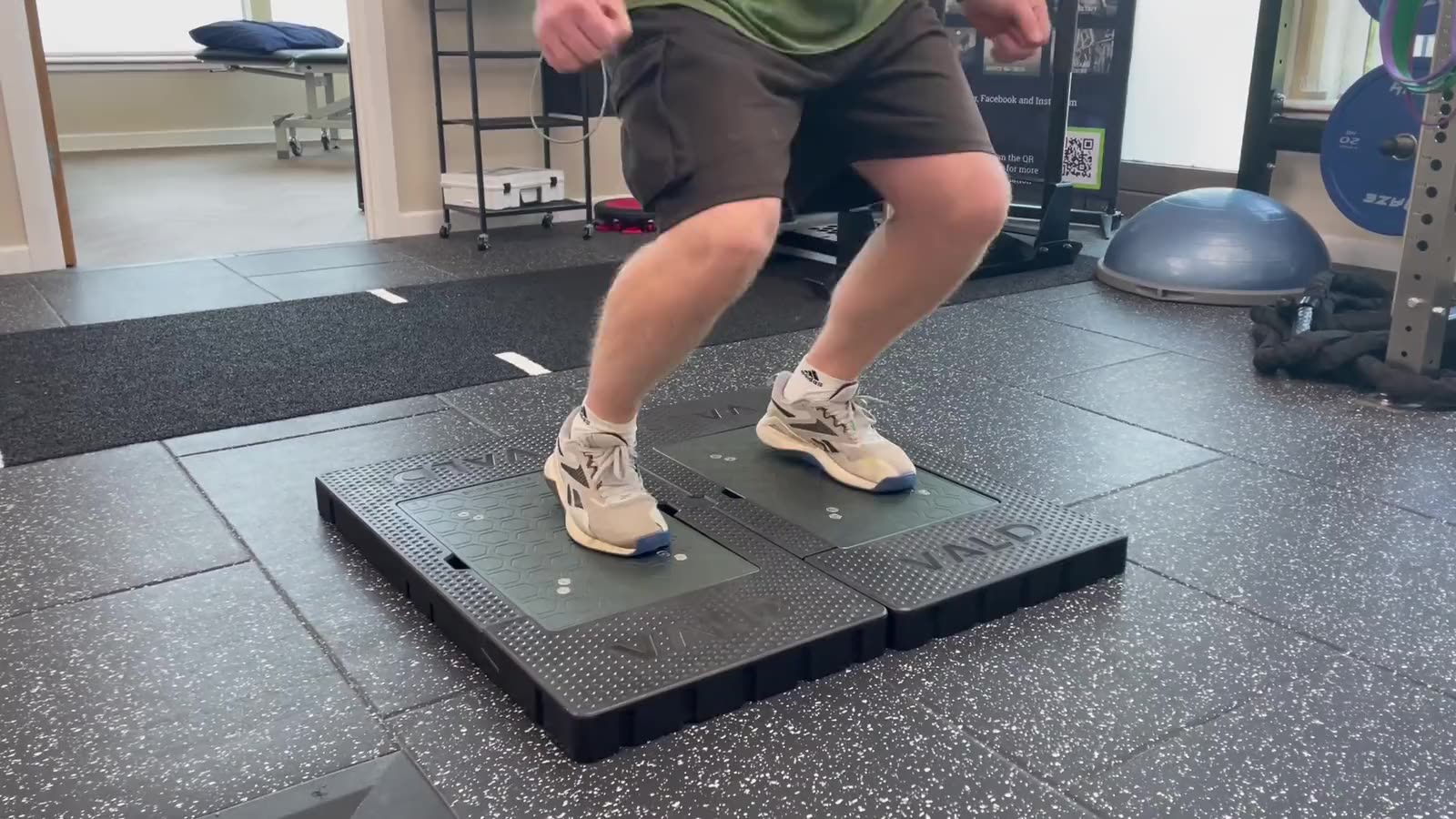
A structured plan built around hands-on treatment, targeted exercise, and the right technology, paced to your body, your schedule, and your goals.
- 03
Progress check
We re-test, refine, and keep you moving forward. Regular check-ins make sure the plan is working and adjust before small issues become setbacks.
“Thank you Ryan for all of your expertise, I don't think that I would have recovered this quickly without your guidance and knowledge.”
“First time with Louise, who I saw with a shoulder injury. She made me feel at ease and went into a lot of detail and certainly put across she knew what she was talking about. She spent the time listening to me without me feeling like I was being rushed. Excellent result and no hesitation in recommending her.”
“Nick helped me get back to full fitness after a painful Achilles injury. Nick explained the recovery process and managed my expectations of what was involved. Steady and very effective rehabilitation - thank you!”
In almost all cases, yes, and the evidence favours it. Even after whiplash from a road traffic collision, guideline reviews consistently recommend early return to normal activity and movement over rest or a collar. If you are unsure because of how an injury happened, see the red-flag list in Section 3 first.
Further reading: our physiotherapy hub, our Insights explainer on what to expect at your first physiotherapy appointment, and the NHS guide to neck pain and stiff neck.
If your neck is not settling, a proper assessment is the place to start.
Or call 01908 330 243