
Recovery · Treatments
Whole-Body Cryotherapy in Milton Keynes: What Three Minutes in the Cold Actually Does
Written and medically reviewed by Prof Arul Ramasamy MA PhD MBA FRCS(Tr+Orth)
Consultant Orthopaedic Surgeon and Medical Director, Hanbury Health · Milton Keynes
Published:

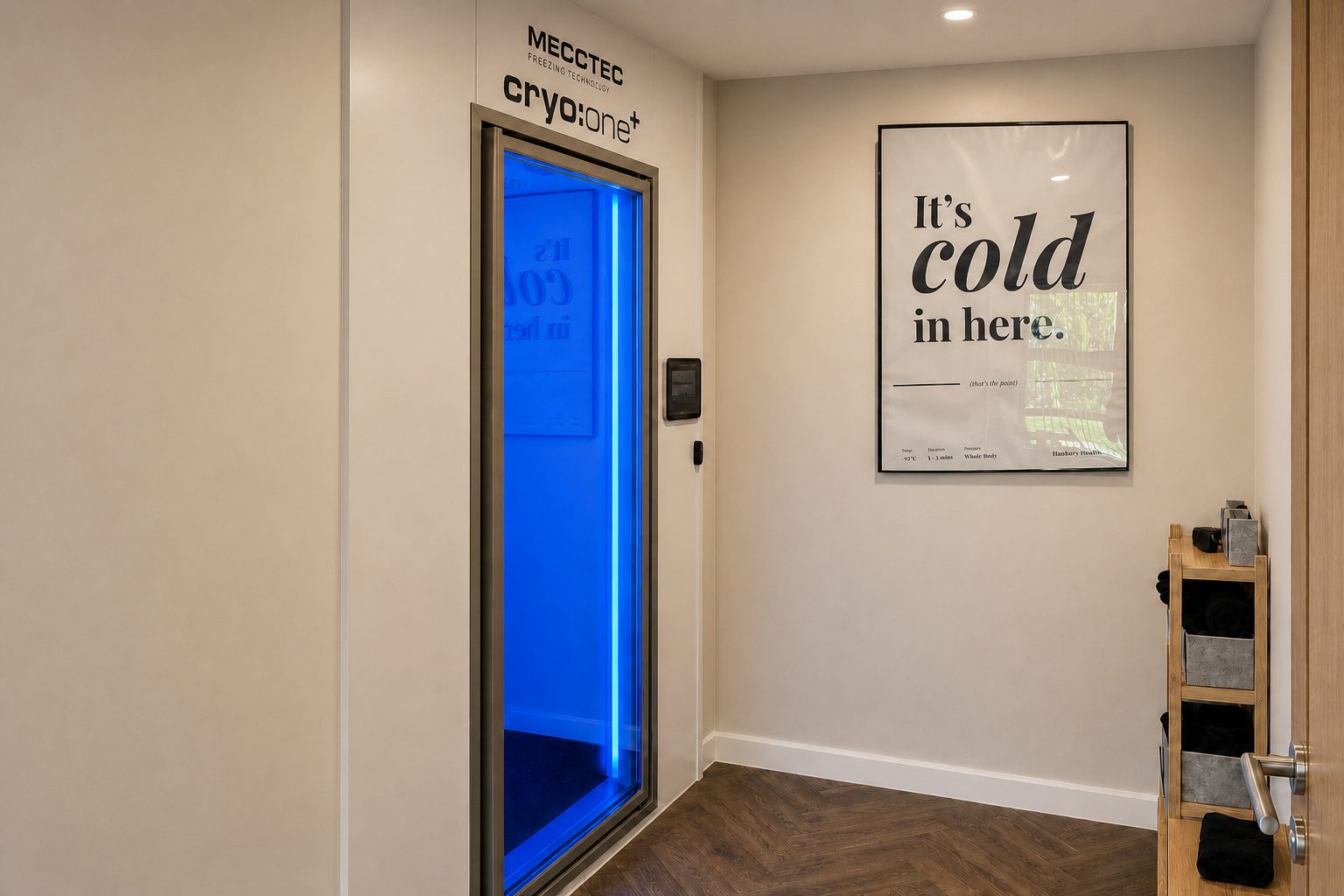
Two to three minutes at around minus one hundred degrees is a controlled dose of extreme cold that triggers a measurable physiological response, a sharp anti-inflammatory and nervous-system reset that the body spends the next hours capitalising on. At Hanbury Health it is the first step in our recovery circuit: cold first, then compression, then Shiftwave. And it is genuinely whole-body, a walk-in electric chamber where the whole body, head included, is exposed, not a single-person nitrogen tube with your head out of the top. Hanbury is the only true whole-body cryotherapy unit in Milton Keynes. This article explains what it is, how it differs from nitrogen cryotherapy, how it works, what the evidence does and doesn't show, and who it's for.
What whole-body cryotherapy is
Whole-body cryotherapy (WBC) is brief, controlled exposure to extremely cold, dry air, typically around −90°C, for two to three minutes at a time. You stand in a chamber wearing minimal clothing plus protection for the extremities, and the cold does the work. Unlike an ice bath, the air is dry and the exposure is short. Because there's no water, the cold feels sharp but tolerable.
The cold itself matters less than the response it provokes. A rapid drop in skin temperature drives blood away from the surface and triggers a cascade of anti-inflammatory and nervous-system changes. As the body rewarms afterwards, circulation surges back and the recovery process accelerates.
Cryotherapy is used as a recovery and wellbeing tool. Nothing here has been evaluated by the MHRA or FDA, and it is not intended to diagnose, treat, cure or prevent any disease. We use it inside a clinically informed, supervised setting.
Whole-body vs nitrogen "head-out" cryotherapy, the difference that matters
Not all "cryotherapy" is the same, and the distinction is worth understanding before you book anywhere.
Most single-person cryotherapy units are nitrogen "cryosaunas", an upright tube cooled by liquid-nitrogen vapour, where you stand with your head sticking out of the top. Only your body from the neck down is exposed. The head is kept outside deliberately, because nitrogen gas displaces oxygen and isn't safe to breathe in an enclosed space. It's more accurately called partial-body cryotherapy.
A true whole-body cryotherapy chamber, like ours, is different. It's an electrically cooled, walk-in room chilled with cold, dry air rather than nitrogen gas. You step fully inside, head and all, and the entire body is exposed to an even, consistent cold while you breathe normal, oxygen-rich air. There's no nitrogen and no oxygen-displacement concern, and because your head and neck are in the cold too, the exposure is genuinely whole-body, which matters, since some of cryotherapy's nervous-system and neuroendocrine effects are linked to cooling the head and upper body, not just the limbs.
In short: a nitrogen cryosauna chills your body with your head out; a whole-body chamber puts all of you in the cold, safely. Hanbury is the only true whole-body cryotherapy unit in Milton Keynes.
Who it's for
If you train hard and don't recover well between sessions, if you've hit a plateau you can't train your way through, or if you're managing a heavy physical and mental load and need a genuine reset, cryotherapy earns its place. It's used by athletes and serious trainers who want recovery treated as seriously as training, by people in structured rehabilitation where reducing inflammation is part of the plan, and by high-performing professionals who want the mood and energy lift that reliably follows a session. You don't need to be an athlete. You need something that resets the body faster than rest alone.
How it works
The mechanism is straightforward physiology. Extreme surface cold causes rapid vasoconstriction, blood is pulled in toward the core to preserve heat. When you step out and rewarm, that reverses into vasodilation, and freshly oxygenated blood floods back through the tissue. That cold-then-rewarm cycle is thought to drive several effects:
- An anti-inflammatory response, cold exposure dampens inflammatory signalling, which is part of why it's used after hard training or during rehabilitation.
- Autonomic activation and rebalancing, the cold sharply engages the sympathetic nervous system, followed by a parasympathetic rebound, shifting the balance that governs recovery, and prompting a release of endorphins and noradrenaline that lifts mood and alertness.
- Circulatory support, the rewarming surge helps clear the metabolic by-products that accumulate after exertion.
It is, in short, a hormetic stressor: a brief, controlled challenge the body adapts to, in the same family as exercise and heat exposure.

What the evidence shows
Cold has been used in recovery for a long time, and whole-body cryotherapy has been studied specifically in athletes and active adults. The honest summary: it's promising, and the quality of evidence is still developing.
Systematic reviews and meta-analyses report that cryotherapy can support post-exercise recovery, improving measures such as jump-performance recovery in the hours after hard training and improving perceived recovery and soreness, with effects that depend heavily on timing and dose. Some of the benefit appears to come precisely from the autonomic and central-fatigue effects described above, not just from cooling the muscle. At the same time, reviewers grade the overall certainty of evidence as low, and different cold modalities suit different goals, so results should be read cautiously rather than as settled fact.
That's the same standard we apply to everything in the recovery suite: a clear mechanism, encouraging data, and no overclaiming. Cryotherapy is a well-tolerated tool that most people find genuinely useful within realistic expectations.
Cryotherapy for recovery
Training creates stress. Adaptation happens during recovery, not during the session. Cryotherapy is the sharp, fast front end of that recovery, the cold hits, inflammation is blunted, and the rewarming surge gets circulation moving.
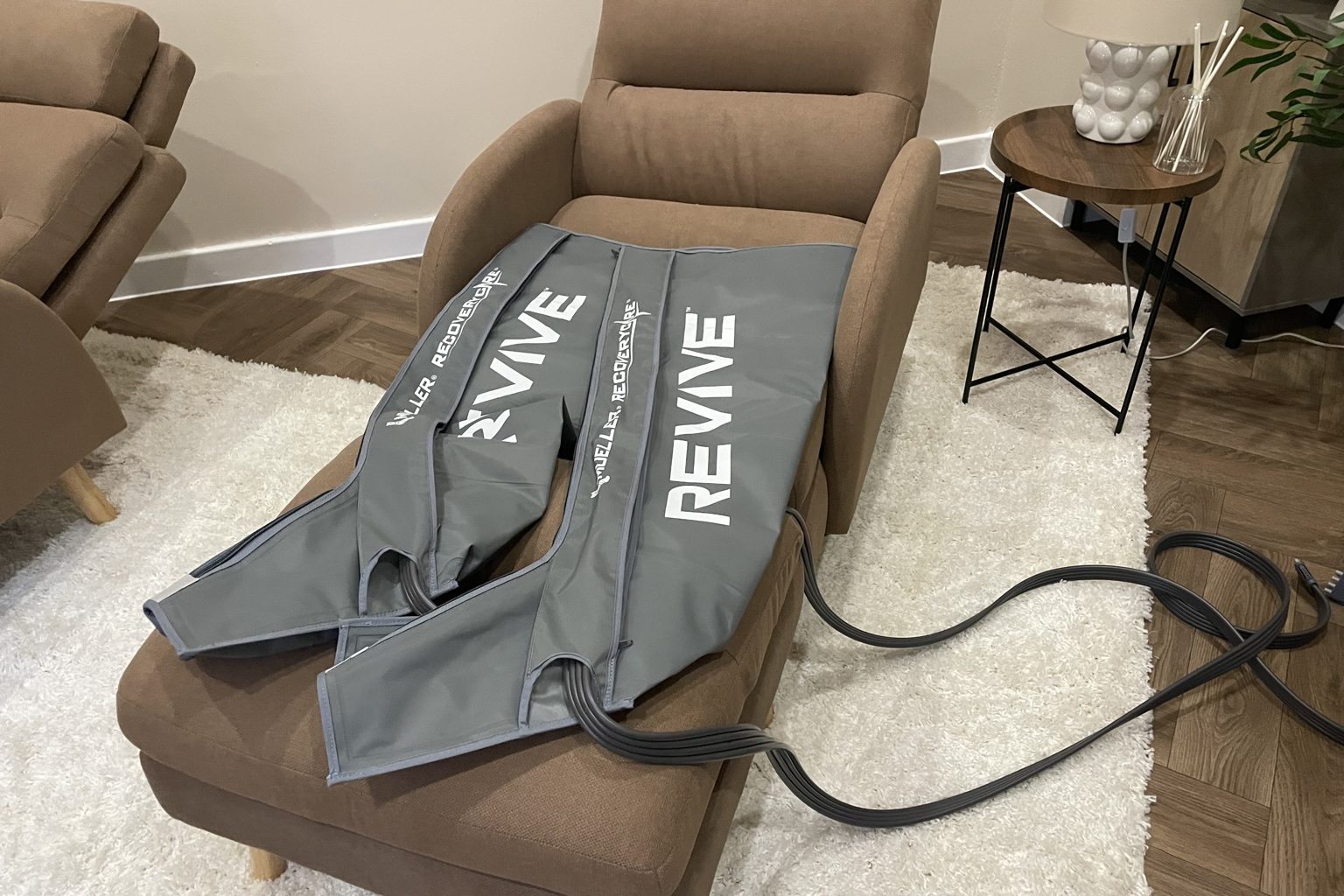
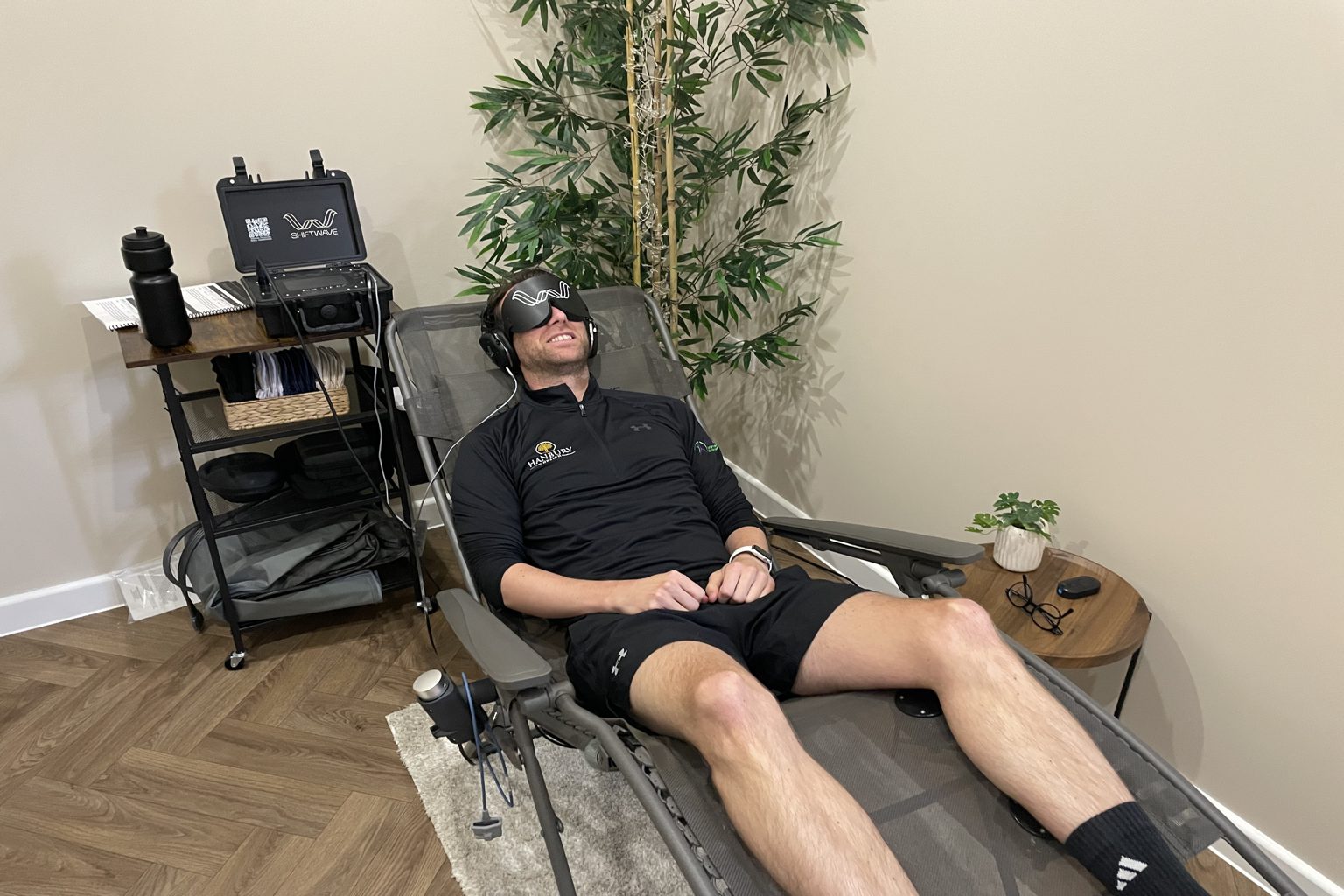
In our guided recovery circuit it runs first, by design: cold to trigger the anti-inflammatory response, then compression boots to support circulation, then Shiftwave to settle the nervous system. The order matters. Applied without a rationale, or in the wrong sequence, the same systems give a very different outcome than when they're used with intent. You can see how the full circuit fits together within the Recover pillar on our recovery page.
Cryotherapy for mood, energy and resilience
Most people are surprised that the strongest effect they notice is the head-clearing lift afterwards. The endorphin and noradrenaline release that follows cold exposure produces a reliable improvement in mood, alertness and a sense of resilience, which is why so many people who start using cryotherapy for their body keep coming back for their mind. For anyone carrying a heavy cognitive load, that two-to-three-minute reset is a disproportionately efficient way to change state.
Where this fits into longevity and healthspan
Cold exposure is one of the most studied hormetic stressors, small, deliberate challenges that prompt the body to adapt and become more resilient. The mechanisms cryotherapy engages, dampened chronic inflammation, autonomic balance, a healthy stress response, overlap with several of the levers that matter most for healthy ageing. Chronic, unresolved inflammation and a dysregulated stress response are among the more consistent drivers of age-related decline, and tools that nudge those systems in the right direction are worth taking seriously.
We use cryotherapy alongside our HealthSpan Medicine and Performance Testing, so the same markers we can measure inform how you use it. Cryotherapy sits inside that same measured plan, alongside HealthSpan Medicine and Performance Testing.
What a session is like here
A session is short and supervised. You change into minimal clothing with dry gloves, socks and appropriate protection for the extremities, everything metal and moisture stays out. You step into the chamber for two to three minutes while a member of the team stays with you throughout, and you can step out at any point. Because the cold is dry, most people find it far more tolerable than they expect. You'll feel invigorated immediately, with the mood and clarity lift building over the following minutes. One session per day is the standard.

Who it's not for: safety and contraindications
Cryotherapy is well tolerated by most people, but extreme cold is not suitable for everyone. Speak to us or your own medical provider before using it if any of the following apply: pregnancy; uncontrolled high blood pressure or a heart condition; a history of heart attack, stroke or circulatory disease; Raynaud's phenomenon or cold hypersensitivity; cold urticaria (cold allergy); deep vein thrombosis; a pacemaker or other implanted device; a severe respiratory condition; or active or recent cancer. We screen everyone before a first session, if you're unsure, ask, and we'll check.
Why we offer cryotherapy at Hanbury
We don't adopt technology for its own sake. As a consultant orthopaedic surgeon with a background in bioengineering and many years of military service, I've spent my career where injury, recovery and human performance meet. Cryotherapy earns its place because the mechanism is real, it's well tolerated, and, used with intent and in the right sequence, it makes the rest of a recovery session work harder. We chose a true whole-body electric chamber over a nitrogen cryosauna deliberately: it's a genuinely whole-body exposure, head included, with no nitrogen involved. Hanbury is the only true whole-body cryotherapy unit in Milton Keynes, and the only place bringing all seven of our recovery systems together in one coordinated suite.
How to try cryotherapy in Milton Keynes
The simplest way to start is the guided recovery circuit, cryotherapy first, then compression, then Shiftwave, in one prescribed session. Your first visit is £75, one time only, and includes a short conversation about your training load and any medical context before you begin. Full pricing and membership options are on our recovery page.
Frequently asked questions
What is whole-body cryotherapy?
Whole-body cryotherapy is a two-to-three-minute exposure to extremely cold, dry air (around −90°C) in a chamber, used to trigger an anti-inflammatory response, support recovery, and lift mood and energy.
What are the benefits of cryotherapy?
People use it for faster post-exercise recovery, reduced muscle soreness, lower inflammation, improved circulation on rewarming, and a clear boost to mood, alertness and resilience.
How cold is it and how long does a session last?
The chamber reaches around −90°C, and a session lasts two to three minutes, once per day. Because the cold is dry, most people find it more tolerable than an ice bath.
What's the difference between whole-body cryotherapy and a nitrogen cryotherapy chamber?
A nitrogen “cryosauna” is a single-person tube cooled by liquid-nitrogen vapour, where your head stays outside the top and only your body from the neck down is chilled, because nitrogen gas isn't safe to breathe. It's really partial-body cryotherapy. A true whole-body chamber, like ours, is an electrically cooled walk-in room using cold dry air, so you step fully inside, head included, and breathe normal, oxygen-rich air. It's genuinely whole-body, with no nitrogen and no oxygen-displacement concern. Hanbury has the only true whole-body cryotherapy unit in Milton Keynes.
Does cryotherapy actually work?
The evidence is promising, particularly for post-exercise recovery and perceived soreness, though reviewers rate the overall quality of studies as low and note that timing and dose matter. We use it as a well-supported recovery tool, not a cure-all.
How will I feel afterwards?
Most people feel invigorated straight away, with a lift in mood, clarity and energy building over the following minutes.
Is cryotherapy safe? Who should avoid it?
It's well tolerated by most people but not suitable for everyone. Anyone pregnant, with uncontrolled high blood pressure, heart or circulatory disease, Raynaud's or cold allergy, a pacemaker, or active cancer should consult a medical provider first. We screen everyone before a first session.
How much does cryotherapy cost in Milton Keynes?
Your first guided recovery circuit, cryotherapy, compression and Shiftwave, is £75, one time only. Current standalone and membership pricing is on our recovery page.
Where can I try whole-body cryotherapy in Milton Keynes?
Hanbury Health has the only true whole-body cryotherapy unit in Milton Keynes, a walk-in electric chamber, not a head-out nitrogen cryosauna. You can book through our website.
Book a recovery circuit in Milton Keynes
To try cryotherapy, book it as the first step of our guided recovery circuit at Hanbury Health in Milton Keynes, cryotherapy, compression and Shiftwave, prescribed for you, from £75 on your first visit.
Medical disclaimer: Whole-body cryotherapy is used as a general wellbeing and recovery tool. It is not intended to diagnose, treat, cure or prevent any disease, and the statements above have not been evaluated by the MHRA or FDA. This article is for general information and is not medical advice. Always consult a qualified healthcare professional about your individual circumstances.
Written and medically reviewed by Prof Arul Ramasamy MA PhD MBA FRCS(Tr+Orth), Consultant Orthopaedic Surgeon and Medical Director, Hanbury Health, Milton Keynes.