
Recovery
Cryotherapy in Milton Keynes: what to expect at your first session
The short version
- A first session takes just three to four minutes of cold at around minus 90°C.
- The visit is fully guided, a pre-session conversation, expert with you throughout, and a debrief after.
- Bring swimwear, a towel and water; gloves, socks and ear protection are provided.
- It's the opening step of a £75 guided circuit that continues into compression and the Shiftwave chair.
- Speak to a doctor or one of our experts first if you're pregnant, have heart, circulatory or cold-related conditions.
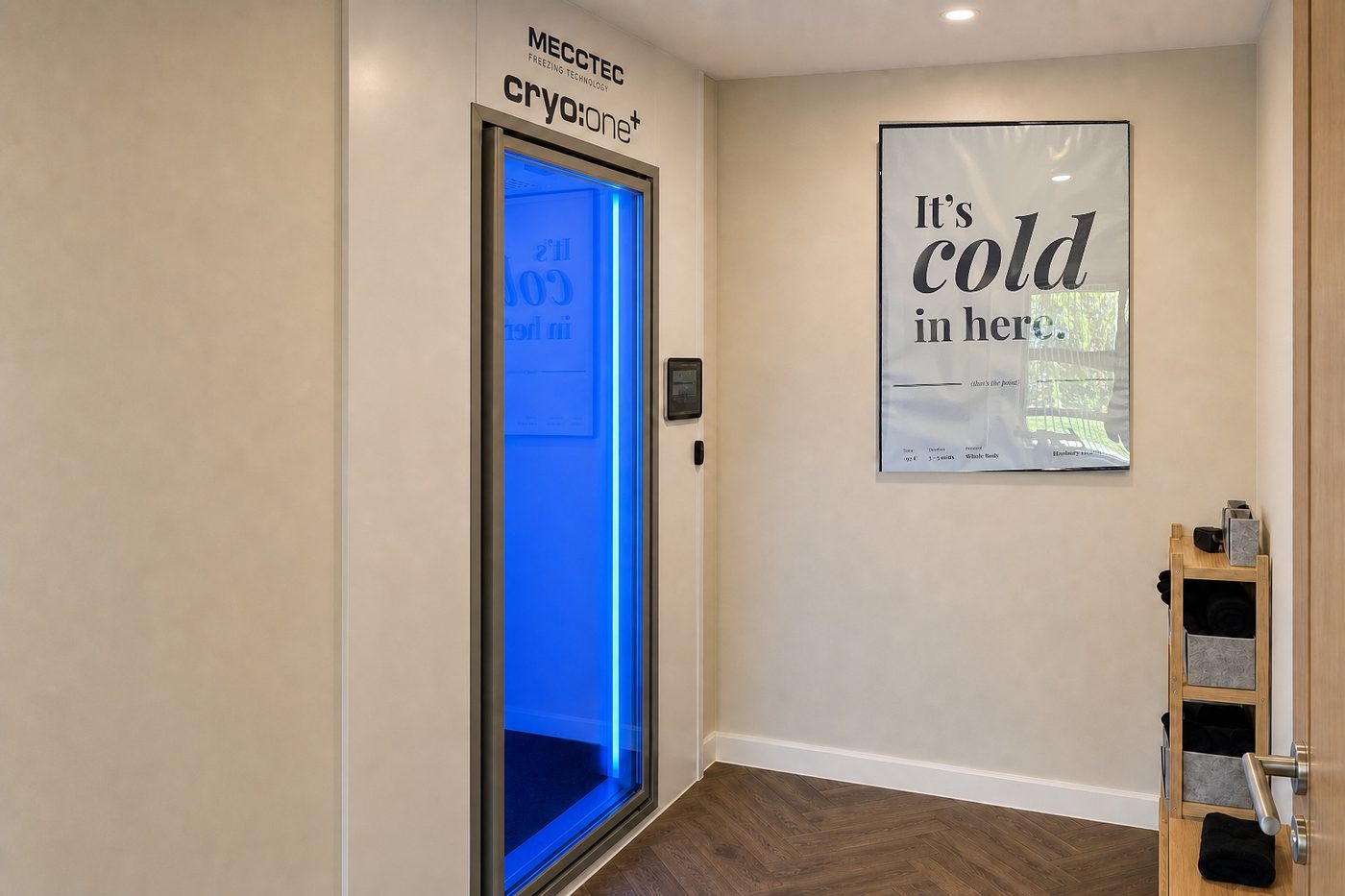
If you are thinking about trying cryotherapy in Milton Keynes, the reassuring news is that a first session is short, guided from start to finish, and far more comfortable than the temperature suggests. At Hanbury Health, whole-body cryotherapy is the first step of a guided recovery circuit, so you are never left to figure it out alone: an expert talks you through everything, stays with you, and the cold itself lasts only three to four minutes. This is a practical walk-through of what actually happens, what to wear and bring, and how it feels, so you arrive knowing exactly what to expect.
Before you arrive: bring a towel, swimwear and water; everything else is provided. Plan for a short, guided visit rather than a long appointment.
Before you step in
Your visit starts with a brief, friendly conversation rather than being sent straight into a chamber. The team asks about your training or activity, how you are feeling, and any relevant health history, which both shapes the session and picks up anything that means cryotherapy should be adjusted or avoided. You will change into swimwear, and you are given protection for the more cold-sensitive parts, typically gloves, socks and something for the ears, because the aim is a whole-body cold stimulus with the extremities kept safe. Then the guide explains exactly what will happen next.
Inside the chamber
The chamber is cooled to around minus 90°C, and you stay in for three to four minutes. Because the cold is dry rather than wet, it is genuinely more tolerable than the number implies; most people find the first thirty seconds the sharpest, then settle. You keep moving gently, you breathe, and your guide stays with you throughout, talking you through it and watching how you are doing. If at any point you want to stop, you stop. There is no endurance test here; the exposure is deliberately brief because that short, sharp stimulus is what produces the recovery response.
How it feels, during and after
During the session it is, unsurprisingly, very cold, but in a bracing rather than painful way, and it passes quickly. The more memorable part for most people is afterwards: as you rewarm, many describe a distinct lift, a combination of physical release and mental clarity, along with a pleasant, energised feeling that can last into the hours that follow. Everyone responds slightly differently, and your guide will talk you through what you felt and what to expect, including any simple guidance for a next visit. For more on the mechanism, see our explainer on what whole-body cryotherapy actually is.
The guided circuit and what it costs
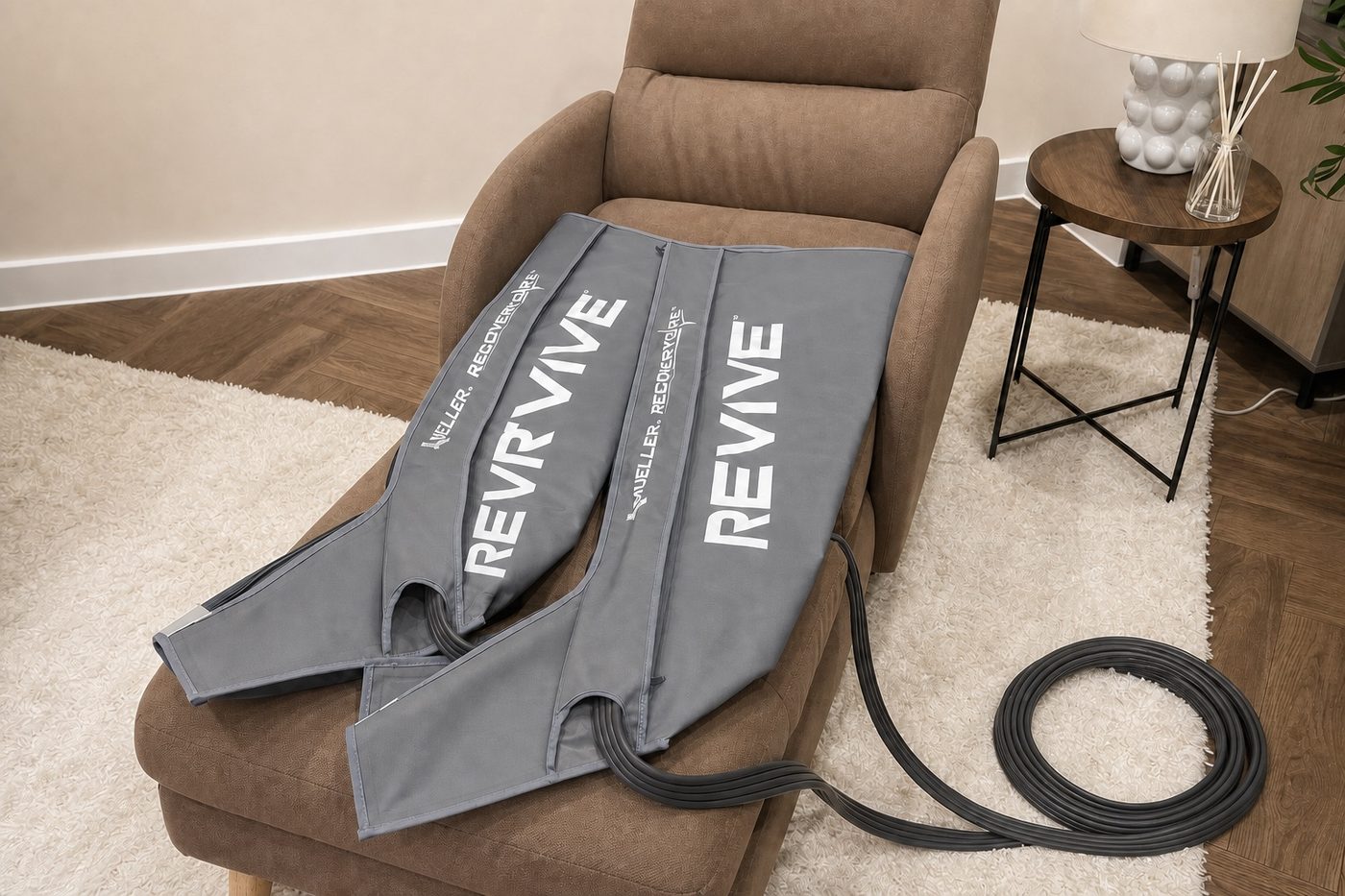
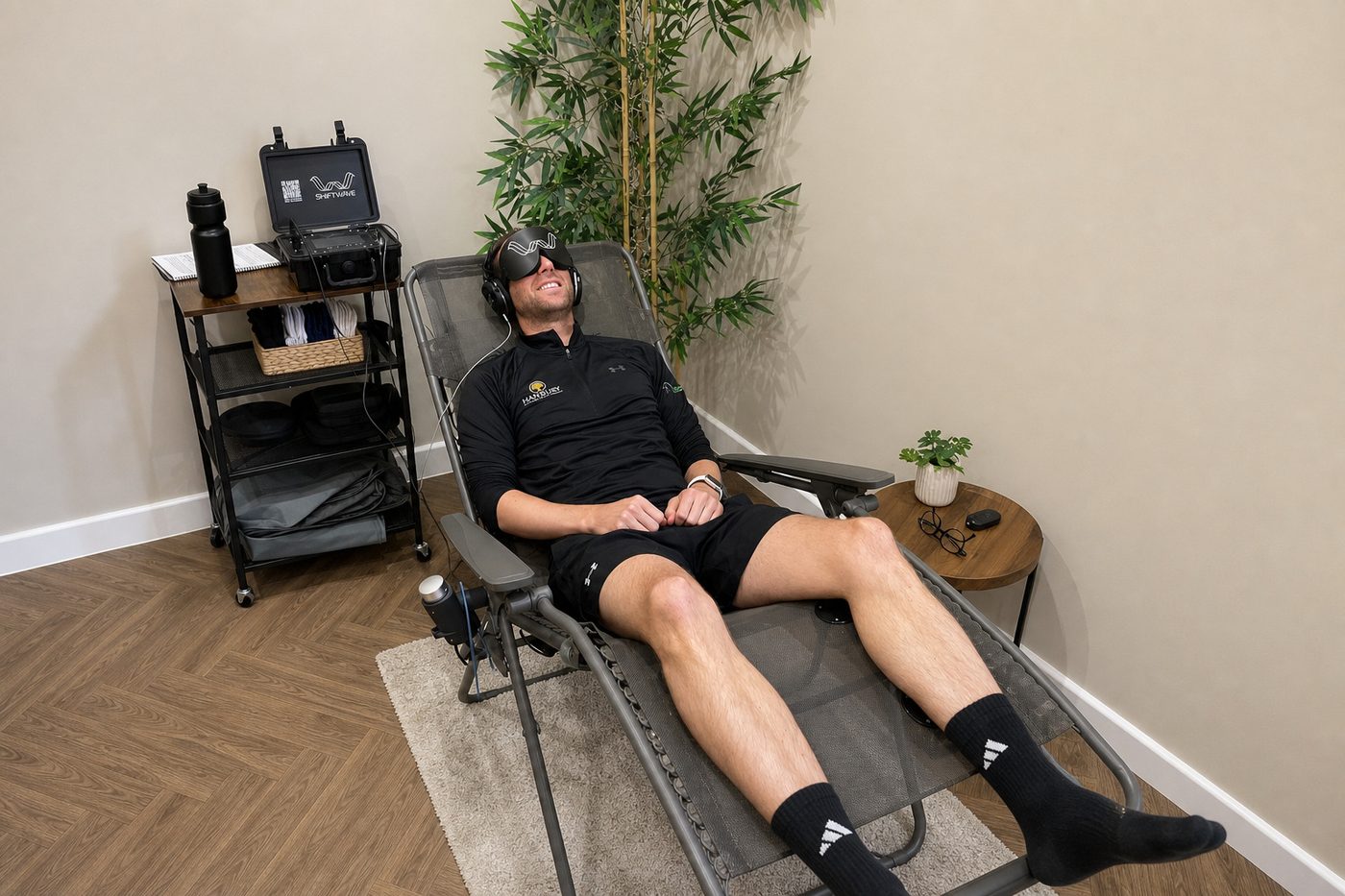
At Hanbury, cryotherapy is not a stand-alone booth but the opening step of a guided recovery circuit that continues into compression boots and then the Shiftwave chair, so your first visit works three recovery systems in one. The introductory guided circuit is £75, designed as a low-commitment way to try it properly. From there, ongoing recovery is available through credits, packs and membership, with current pricing on our pricing page.
Who should check first
Cryotherapy suits most healthy adults, but a short list of conditions mean you should speak to a doctor or one of our experts before booking, including pregnancy, heart conditions or uncontrolled high blood pressure, cold-related conditions such as Raynaud's, circulatory problems, and recent significant illness. The pre-session conversation is there precisely to catch these, so the visit is shaped safely around you.
Why Hanbury Health is different
A first cryotherapy session is far better guided than self-served, and that is what you get here. Your visit is led by an expert from the welcome conversation to the after-session debrief, and because Hanbury is currently the only place in Milton Keynes offering whole-body cryotherapy in our recovery suite, using a true whole-body electric chamber, your first experience is the safe, complete version rather than a head-out nitrogen booth.
Frequently asked questions
What should I wear and bring for cryotherapy?
Swimwear, a towel and water. Protection for hands, feet and ears is provided, along with everything else you need.
How long does a first cryotherapy session take?
The cold exposure is only three to four minutes. Allow a little longer for the welcome conversation, changing, and a brief debrief afterwards.
Does the first session hurt?
It is intensely cold but bracing rather than painful, and it passes quickly. A guide stays with you throughout, and you can stop at any point.
How will I feel afterwards?
Many people describe a lift, a mix of physical release and mental clarity, and an energised feeling that can last into the following hours.
How do I book cryotherapy in Milton Keynes?
You can book the guided recovery circuit, which begins with cryotherapy, at Hanbury Health in Milton Keynes, introductory priced at £75.
References
Ready to put this into practice?
About the author: Prof Arul Ramasamy is a consultant orthopaedic surgeon and a founder of Hanbury Health. He holds a PhD in bioengineering from Imperial College London, where he is a Visiting Professor, and is a Fellow of the Royal College of Surgeons (Trauma and Orthopaedics). He leads Hanbury's approach to recovery, performance and long-term health.
General information, not medical advice. Written by Prof Arul Ramasamy. Medically reviewed by Nick Allen BSc (Hons) MCSP. Last reviewed: 25 July 2026.
Related insights
Recovery
Compression boots or the Shiftwave chair: which do you actually need?
Heavy legs point to the compression boots, a wired nervous system to the Shiftwave chair. How to tell, and why the £75 circuit covers both.
Ramasamy8 min readRead the article
Recovery
How often should you do the Recovery Circuit, and how do you build it into a routine?
Once or twice a week suits most people. How to find your own rhythm with the £75 Recovery Circuit, and when to add the rest of the suite.
Ramasamy8 min readRead the article
Recovery
What does a Hyrox-specific recovery routine actually look like in Milton Keynes?
Match what you feel after a Hyrox race to the right tool: heavy legs, a wired nervous system, localised DOMS and cumulative training-block fatigue.
Ramasamy9 min readRead the article
Stay informed
More from the Hanbury team.
New articles on recovery, movement, physiotherapy and performance, sent when there's something worth reading. No spam, unsubscribe any time.