
Recovery
What is whole-body cryotherapy, and how does it work?
The short version
- A three-to-four-minute exposure in dry air at around −90°C.
- Cold constricts surface vessels; rewarming reopens them and blood returns.
- A short surge in noradrenaline helps dampen pain and inflammation.
- It's a recovery aid, not a treatment for injury, weight loss or detox.
- Dry cold is more tolerable than water at a much milder temperature.
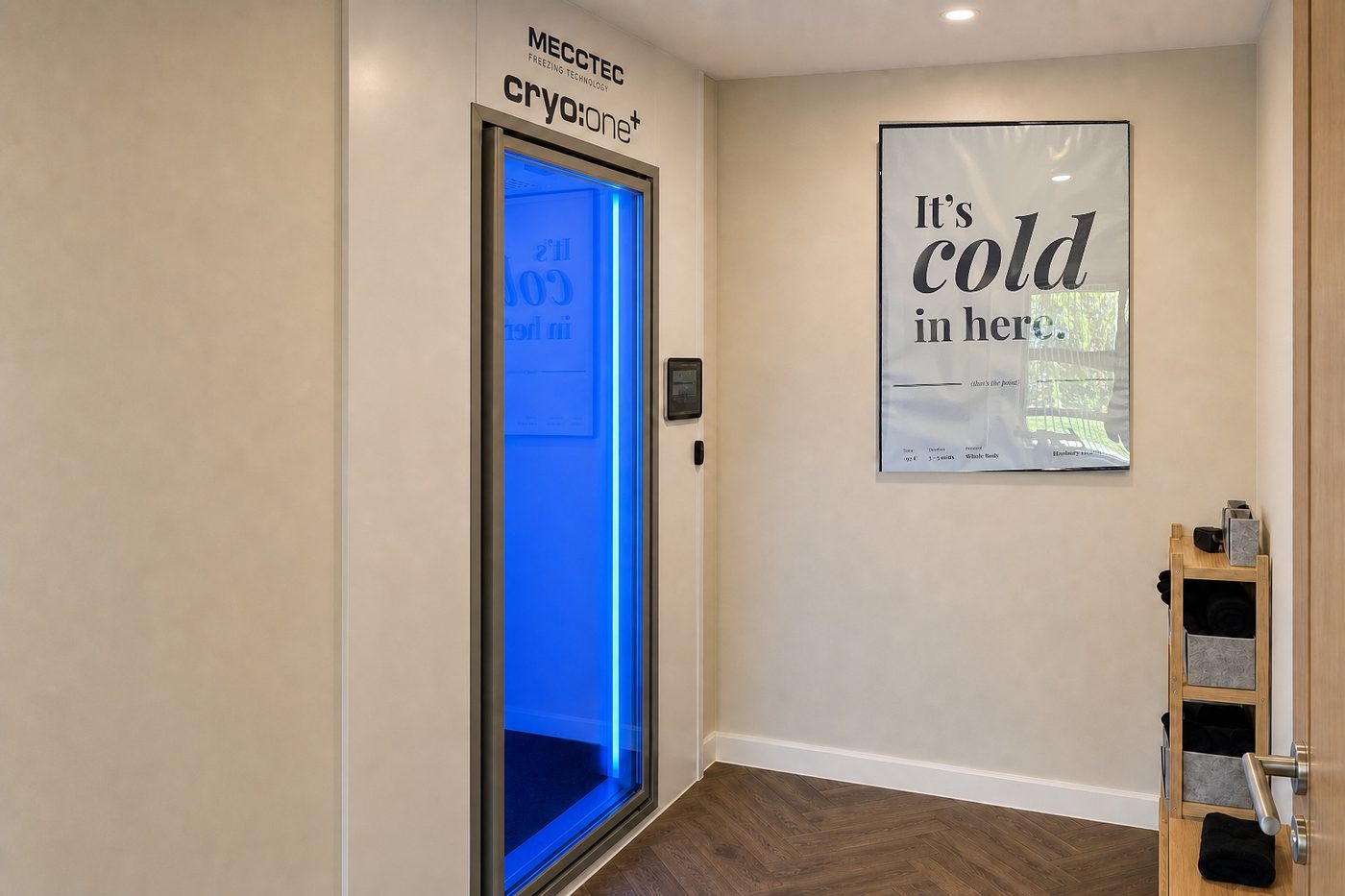
Whole-body cryotherapy is a short exposure to extreme cold, standing in a chamber cooled to around minus 90°C for three to four minutes, used to prompt the body's own recovery response. It works by triggering a protective reaction to the cold: blood vessels near the skin narrow to preserve core warmth, and when you step out and rewarm, they open again and fresh blood moves back through the tissues, alongside a sharp, temporary rise in noradrenaline that helps dampen pain and inflammation. That coordinated response is what people are after when they use it to recover from hard training.
What actually happens, in sequence: extreme cold on the skin, blood vessels narrow, a surge of noradrenaline, then, on rewarming, vessels reopen and blood returns. The whole cycle takes minutes.
What a session involves
The process is simpler and more comfortable than the temperature suggests. You enter a chamber, usually in minimal clothing with hands, feet and ears protected, and stay in for three to four minutes while a guide remains with you throughout. The cold is dry rather than wet, which is the reason it is tolerable for a few minutes when an ice bath at a far milder temperature is not; dry air does not conduct heat away from the skin nearly as aggressively as water. You keep moving gently, you breathe, and you step out. Most people find the first thirty seconds the hardest, then settle. For a full walk-through of a first visit, see cryotherapy in Milton Keynes: what to expect.
The body's response, step by step
The mechanism is worth understanding, because it explains both the benefits and the limits. When your skin meets the extreme cold, the nervous system prioritises your core: surface blood vessels constrict to keep warm blood around the organs, and the cold stimulus drives a rise in noradrenaline, a chemical messenger involved in reducing the perception of pain and modulating inflammation. When you leave the chamber and rewarm, those vessels dilate again and freshly oxygenated blood flows back through the previously constricted tissues. This constrict-then-dilate cycle, together with the noradrenaline response, is thought to underlie the reduction in muscle soreness and the lift in alertness that people report.
How it differs from an ice bath or a cold shower
All cold exposure is not the same. An ice bath immerses you in cold water, which pulls heat from the body far faster and is tolerated at much milder temperatures for longer. A cold shower is milder still and localised to wherever the water hits. Whole-body cryotherapy is distinctive in exposing the whole body to very cold, dry air for a very short time. The practical differences are comfort, dose and convenience, and they matter when choosing what suits you, which we compare in our guide on cryotherapy versus an ice bath.
What it is for, and what it is not
Cryotherapy is a recovery aid. Its established, real-world use is reducing muscle soreness and the feeling of fatigue after demanding exercise, and supporting the alertness and sense of release many people value. It is not a treatment for injury or disease, and it does not burn meaningful calories or detoxify the body, claims that are sometimes made and are not supported by evidence. Understanding the mechanism makes those limits obvious: a two-minute circulatory and hormonal response is a helpful nudge to recovery, not a cure. For more on what it actually helps with, see the benefits of cryotherapy for recovery.
Why Hanbury Health is different
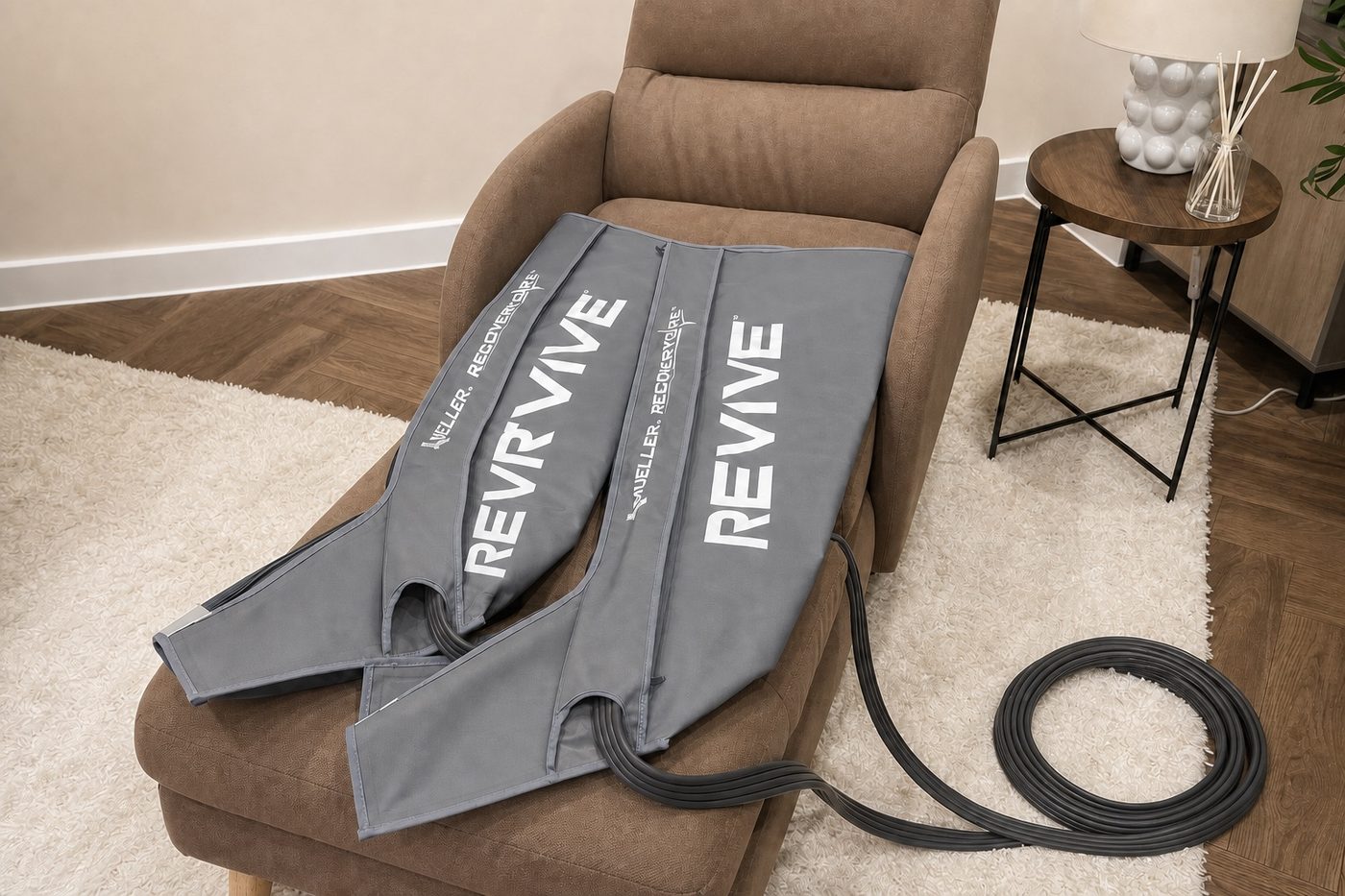
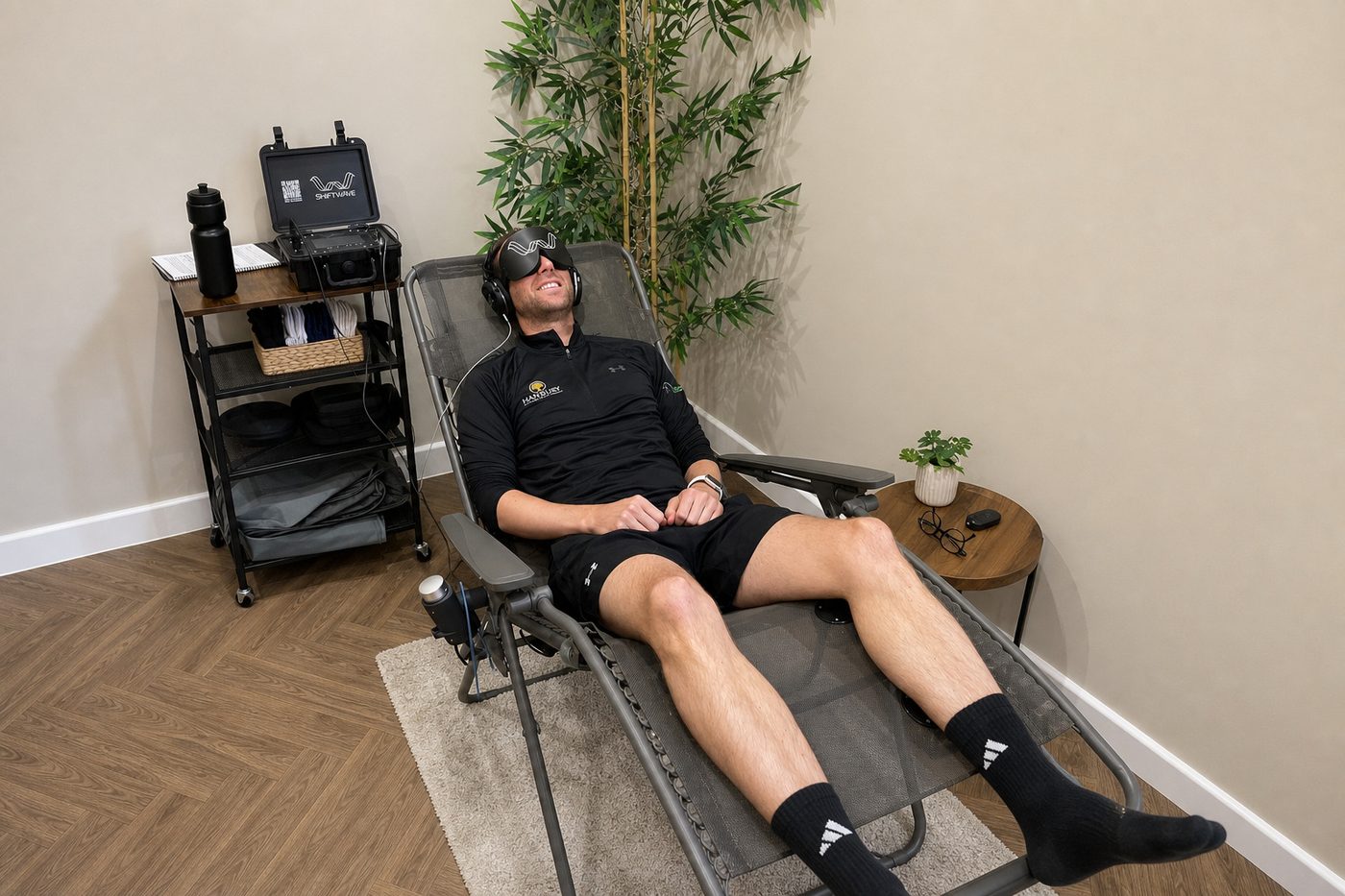
Understanding the mechanism is exactly why we do not treat cryotherapy as a one-off booth. Here it opens a guided recovery circuit that moves deliberately from cold, to compression, to the Shiftwave chair, so a single visit works three different systems in sequence rather than hammering one. An expert leads you through it, and the cold is placed where your body will actually benefit, which is a very different proposition from a self-serve chamber.
Frequently asked questions
How cold is whole-body cryotherapy, and how long does it last?
Around minus 90°C, for three to four minutes. Because the cold is dry, it is more tolerable than the number implies.
How does cryotherapy actually work?
The extreme cold makes surface blood vessels narrow and triggers a noradrenaline response; on rewarming, the vessels reopen and blood returns. This cycle is thought to reduce soreness and lift alertness.
Is it the same as an ice bath?
No. Cryotherapy exposes the whole body to very cold, dry air for a short time. An ice bath uses cold water at a much milder temperature and pulls heat away faster.
What does it feel like?
Intensely cold briefly, then, for most people, a noticeable lift afterwards. A guide stays with you throughout.
Where can I try whole-body cryotherapy in Milton Keynes?
Hanbury Health in Milton Keynes offers whole-body cryotherapy as the first step of a guided recovery circuit.
References
Ready to put this into practice?
About the author: Prof Arul Ramasamy is a consultant orthopaedic surgeon and a founder of Hanbury Health. He holds a PhD in bioengineering from Imperial College London, where he is a Visiting Professor, and is a Fellow of the Royal College of Surgeons (Trauma and Orthopaedics). He leads Hanbury's approach to recovery, performance and long-term health.
General information, not medical advice. Written by Prof Arul Ramasamy. Medically reviewed by Nick Allen BSc (Hons) MCSP. Last reviewed: 25 July 2026.
Related insights
Recovery
Compression boots or the Shiftwave chair: which do you actually need?
Heavy legs point to the compression boots, a wired nervous system to the Shiftwave chair. How to tell, and why the £75 circuit covers both.
Ramasamy8 min readRead the article
Recovery
How often should you do the Recovery Circuit, and how do you build it into a routine?
Once or twice a week suits most people. How to find your own rhythm with the £75 Recovery Circuit, and when to add the rest of the suite.
Ramasamy8 min readRead the article
Recovery
What does a Hyrox-specific recovery routine actually look like in Milton Keynes?
Match what you feel after a Hyrox race to the right tool: heavy legs, a wired nervous system, localised DOMS and cumulative training-block fatigue.
Ramasamy9 min readRead the article
Stay informed
More from the Hanbury team.
New articles on recovery, movement, physiotherapy and performance, sent when there's something worth reading. No spam, unsubscribe any time.