
Movement
Your first reformer Pilates class in Milton Keynes: what to expect

The short version
- Arrive five to ten minutes early so the instructor can set your springs and hear about any injuries.
- The class flows through slow, controlled exercises: footwork, then leg, arm and core work.
- Expect your core to work hard in an unfamiliar way; that is a normal part of learning the machine.
- Mild soreness a day or two later is common and settles quickly.
- Wear close-fitting clothes and grippy socks, and let the instructor guide the pace.
- Your first class is part of the Beginners Reformer Course, 3 sessions for £33.
Your first reformer Pilates class will be a slower, more guided session than you might expect, focused on getting you comfortable on the machine and moving with good technique rather than on pushing you hard. You will be shown how to set up on the reformer, taught a few foundational exercises like footwork and basic arm and leg work, and guided at a manageable pace with the springs set for you. Expect it to feel unfamiliar and to work your core more than you anticipated, while still feeling welcoming and doable. Knowing what happens takes away the nerves.
Try a reformer Pilates class at Hanbury Health, Milton Keynes.
What happens when you arrive and set up?
Aim to arrive five to ten minutes early for your first class. This gives you time to meet the instructor, mention that you are new and flag any injuries or health concerns, and be shown the machine before you start. The instructor will help you set up: adjusting the springs to a suitable resistance, showing you the footbar, straps and headrest, and explaining how the carriage moves. This setup moment is important and completely normal; nobody is expected to know their way around a reformer on day one. If you have never seen a reformer in person before, that extra few minutes also lets you get comfortable with the layout of the studio and where everything is, which quietly removes a lot of first-class nerves before the session has even begun. For a primer on what the machine actually does, read what is reformer Pilates, and how does it work?
What does the class itself involve?
A beginners' class flows through a sequence of controlled exercises. You will often begin with footwork, lying on your back and pressing the carriage away with your feet on the bar, which teaches the basic feel of moving against the springs. From there you might move through leg exercises in the straps, arm work, and gentle core exercises, changing positions and spring settings as you go. Everything is slow and precise, with the instructor cueing your breathing, alignment and which muscles to engage. You are guided throughout, and you can ask questions at any point. A typical first class lasts around 45 to 50 minutes, which is enough time to work through a full sequence without ever feeling rushed, and most studios keep the group small so the instructor can watch and correct everyone’s form individually.
What if you are nervous about your first class?
Nerves before a first reformer class are completely normal, and instructors who teach beginners regularly expect it and plan for it. The single most useful thing you can do is simply say so: telling your instructor "this is my first time" at the start of the session means they will naturally slow down their explanations, check in with you more, and choose the gentlest version of each exercise without you having to ask. It is also worth remembering that everyone else in a beginners' class was a first-timer once too, and reformer studios are generally quiet, focused spaces, so there is far less pressure than the idea of "a fitness class" might suggest. If you are still weighing it up, read is reformer Pilates good for beginners?
How does it feel, during and after?
During the class, expect it to feel controlled, and to notice your core, and often your legs, working hard in a focused way. Because the movements are unfamiliar, they demand concentration, which many people find absorbing and even calming. Afterwards, it is common to feel pleasantly worked, and you may notice some muscle soreness a day or two later, particularly in the deep core and areas you do not usually target, which is normal for a first session and settles as your body adapts.
What tips help you get the most from it?
A few things help. Wear close-fitting clothing so the instructor can see your alignment and nothing catches on the machine, and bring grippy socks, which most studios prefer. Focus on quality over effort, precise, controlled movement is the whole point, so resist the urge to rush or force. Breathe as cued throughout, without holding your breath. And do not worry about keeping up or looking polished; everyone was a beginner once, and the instructor is there to guide you. Book a follow-up class while the basics are fresh, because consistency is what builds confidence and results. It is also worth eating a light meal an hour or two beforehand, bringing water, and using the toilet before you start, small practical things that make an unfamiliar first hour noticeably more comfortable.
How much does your first class cost, and how do you book?
Your first reformer class at Hanbury is part of the genuine three-session Beginners Reformer Course, not a full-price trial designed to lead into a hard sell. Three sessions give you enough time to move past the "unfamiliar first class" stage and get a fair sense of whether reformer Pilates suits you. Booking takes a couple of minutes through Momence, Hanbury's online booking platform: you pick a class from the timetable, reserve your spot, and receive your confirmation, no phone call or sales conversation required. Once your three course sessions are used, you can move onto a pack or membership at a rate that matches how often you actually want to attend, or simply book further single classes if you would rather keep things flexible. See classes, prices and timetable.
Why Hanbury Health is different
A good first class depends less on the machine and more on who is standing next to it. The instructors setting your springs and talking you through your first session trained within Yogomotiv, the Buckinghamshire studio named Pilates Studio of the Year and a 2019 finalist for Service Excellence, whose teaching continues today as part of Hanbury Health, which means guiding a nervous first-timer through exactly this moment is second nature to them, not something they are learning alongside you. If your first class raises a question about an old injury or a niggle, that is where the setting matters too: a full physiotherapy team is a few steps away, not a separate booking at a different address weeks later.
Frequently asked questions
What should I wear to my first reformer Pilates class?
Close-fitting clothing you can move in, plus grippy socks, which most studios require. Avoid loose garments that could catch on the machine.
What actually happens in a first class?
You are shown how to set up on the reformer, then guided through foundational exercises like footwork and basic arm and leg work at a manageable pace, with the springs set for you.
Will my first class be hard?
It is more guided than gruelling, but expect your core to work and some unfamiliar muscles to be challenged. Mild soreness a day or two later is normal.
Do I need any experience or equipment?
No experience is needed, and the studio provides the machine. Just bring grippy socks and suitable clothing, and arrive a little early.
Where can I take a first reformer class in Milton Keynes?
Hanbury Health in Milton Keynes offers beginner-friendly reformer Pilates classes with experienced instructors to guide your first session, built on the heritage of Yogomotiv.
How much does a first reformer Pilates class cost?
New Reformer clients begin with the Beginners Reformer Course, 3 sessions for £33, booked directly through Momence, before moving onto a pack or membership.
References
Ready to put this into practice?
Hanbury Health is the only place in Milton Keynes where reformer Pilates and yoga are taught inside a full clinical team, built on the award-winning heritage of Yogomotiv, now part of Hanbury Health.
About the author: Sarah Ramasamy is Co-Founder and Director of Movement at Hanbury Health. She has taught yoga and Pilates for over 20 years and founded Yogomotiv, the award-winning Milton Keynes studio now part of Hanbury, where she leads the reformer Pilates, mat Pilates and yoga programme.
General information, not medical advice. Written by Sarah Ramasamy. Medically reviewed by Prof Arul Ramasamy MA PhD MBA FRCS(Tr+Orth). Last reviewed: 25 July 2026.
Related insights
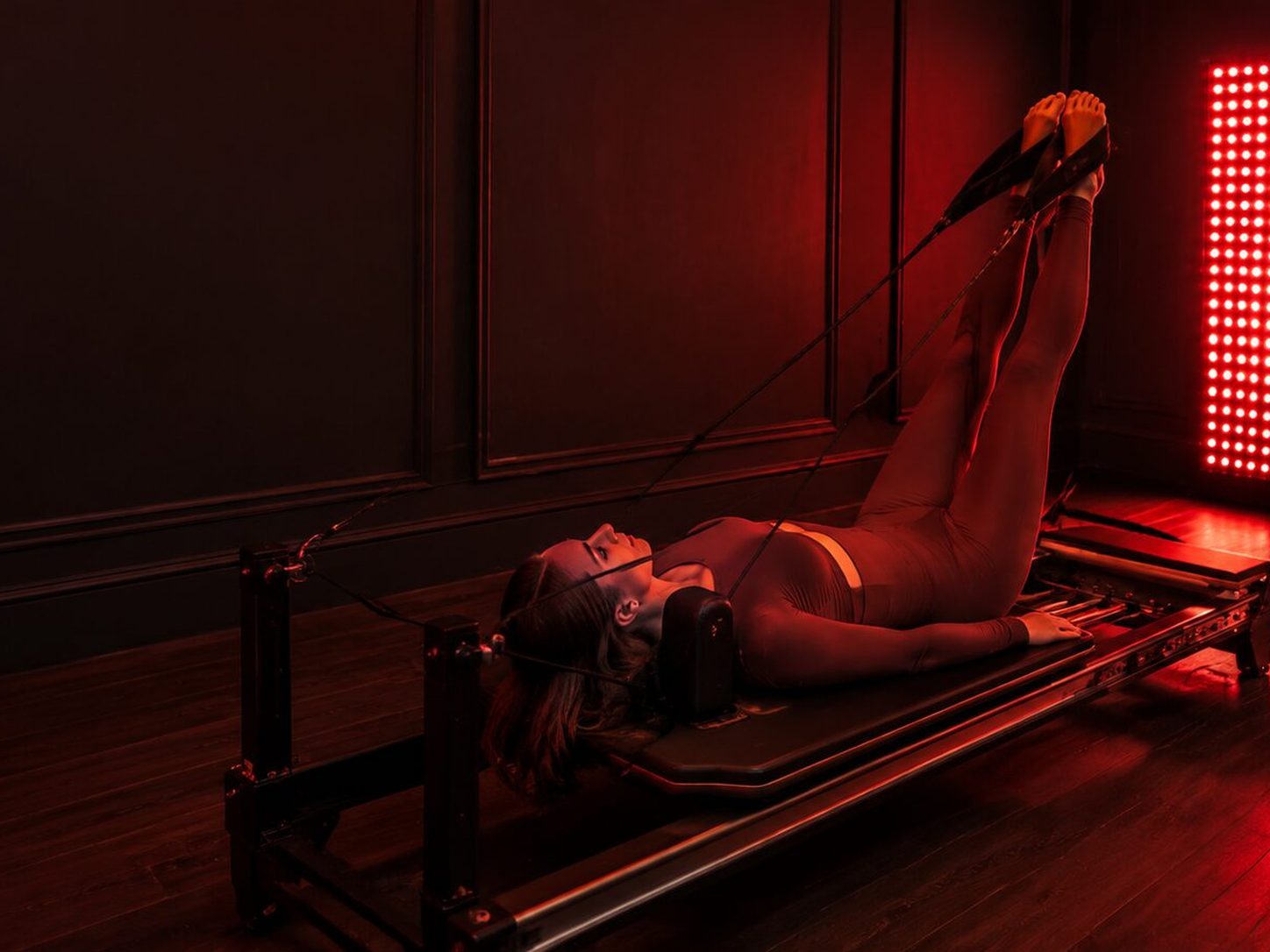
Movement
Why red light therapy doesn't belong in a Pilates class (and what actually works instead)
Why a red light panel glowing in a Pilates class isn't red light therapy, what proper dosing actually needs, and how to get both done properly in Milton Keynes.
Ramasamy8 min readRead the article
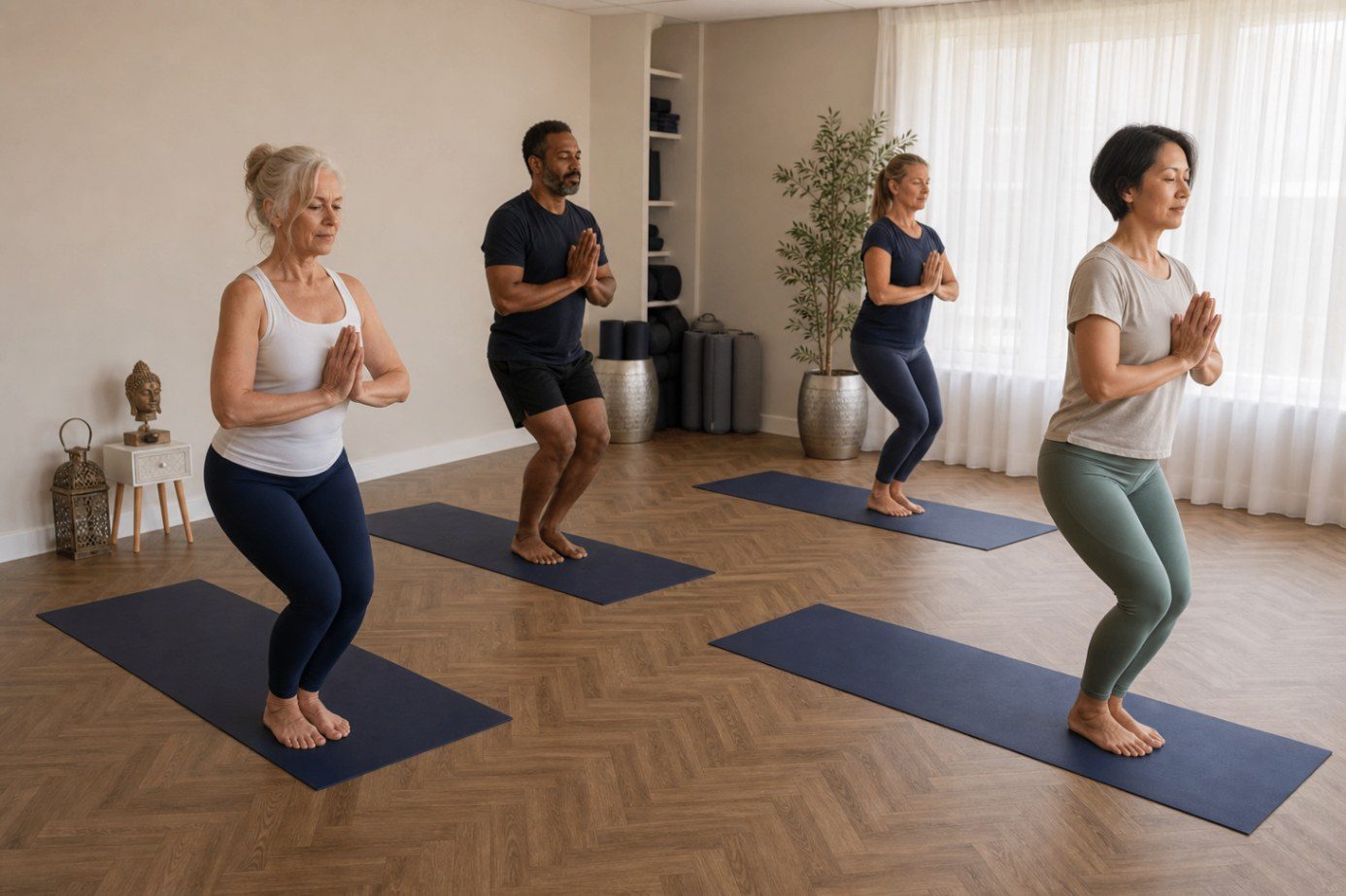
Movement
What are the health benefits of yoga?
Strength, flexibility, balance, back pain and mental wellbeing: the evidence for what regular yoga actually does for body and mind.
Ramasamy7 min readRead the article
Movement
What's the best exercise for perimenopause: yoga, Pilates or strength?
Why yoga, Pilates and strength training each address different parts of perimenopause, why a combination works best, and how to build a routine backed by clinical guidance.
Ramasamy8 min readRead the article


Stay informed
More from the Hanbury team.
New articles on recovery, movement, physiotherapy and performance, sent when there's something worth reading. No spam, unsubscribe any time.