
Insights · Movement
Pilates and yoga in Milton Keynes, taught with care.
This section explains what reformer Pilates, mat Pilates and yoga each involve, who they suit, and what a first class is really like. It is written by Sarah Ramasamy, who leads movement at Hanbury Health and founded the award-winning Yogomotiv, and medically reviewed by Prof Arul Ramasamy.
11 articles found
Movement
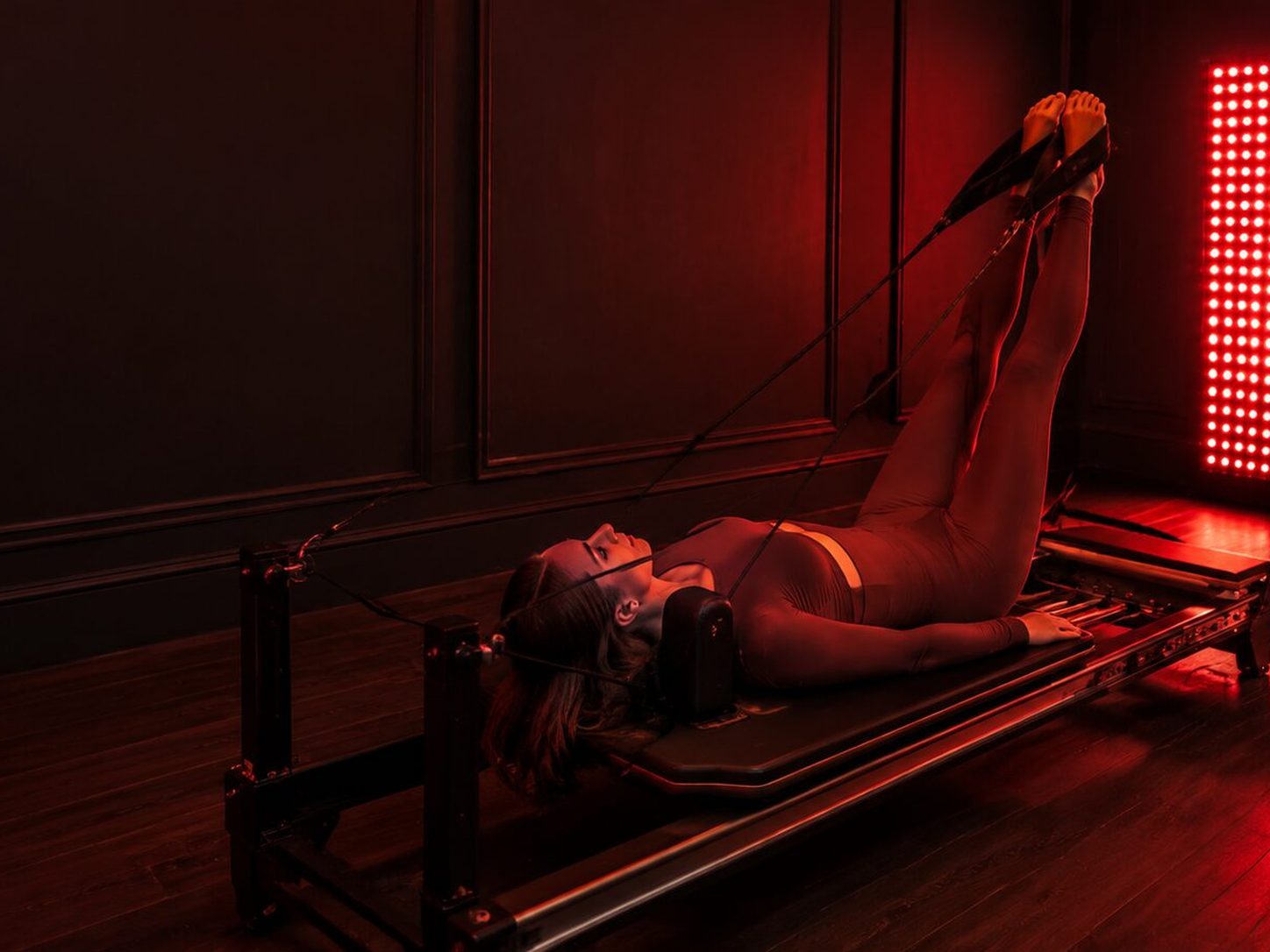
Why red light therapy doesn't belong in a Pilates class (and what actually works instead)
Why a red light panel glowing in a Pilates class isn't red light therapy, what proper dosing actually needs, and how to get both done properly in Milton Keynes.
Ramasamy8 min readRead the article
Movement
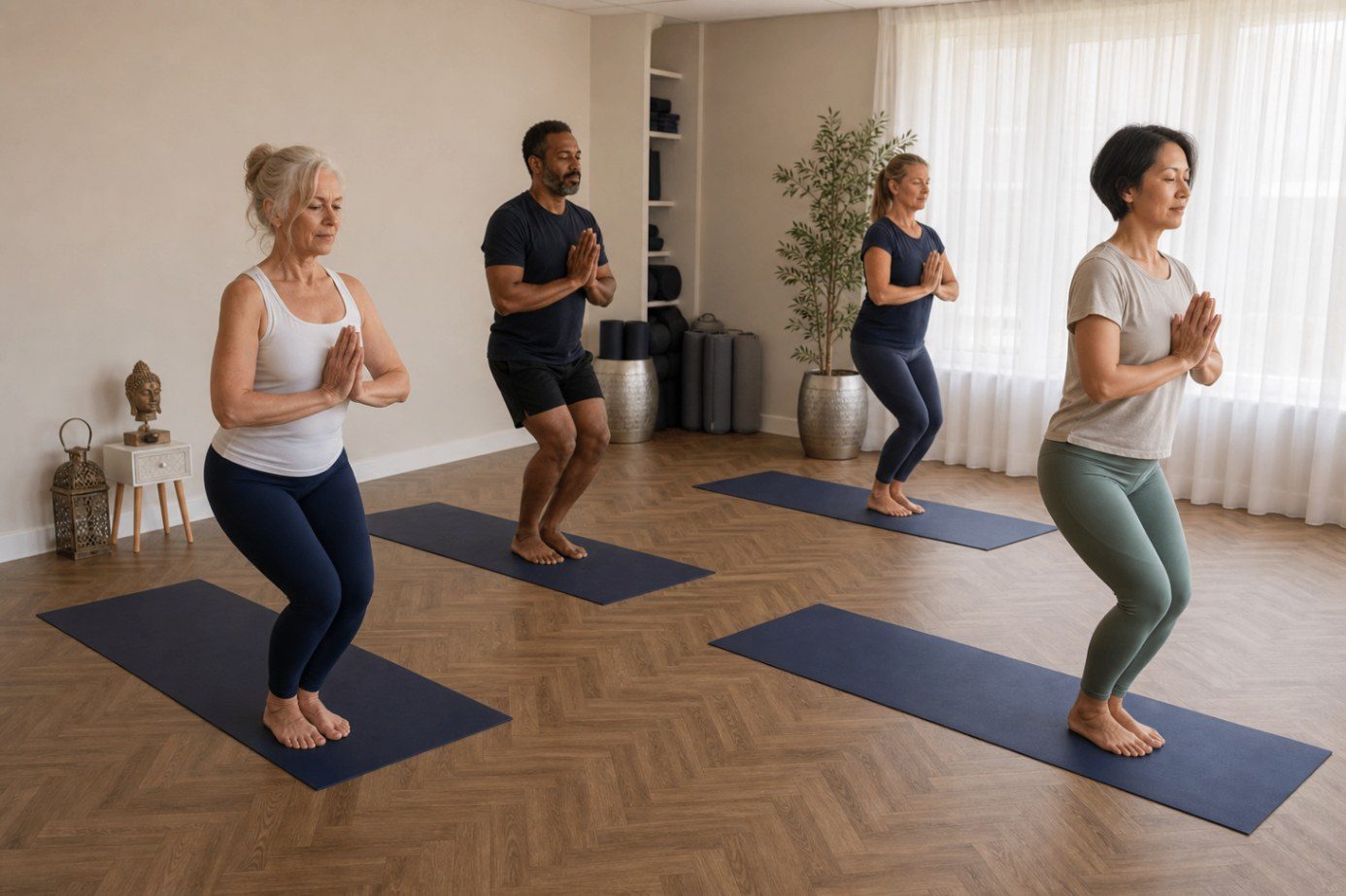
What are the health benefits of yoga?
Strength, flexibility, balance, back pain and mental wellbeing: the evidence for what regular yoga actually does for body and mind.
Ramasamy7 min readRead the article
Movement
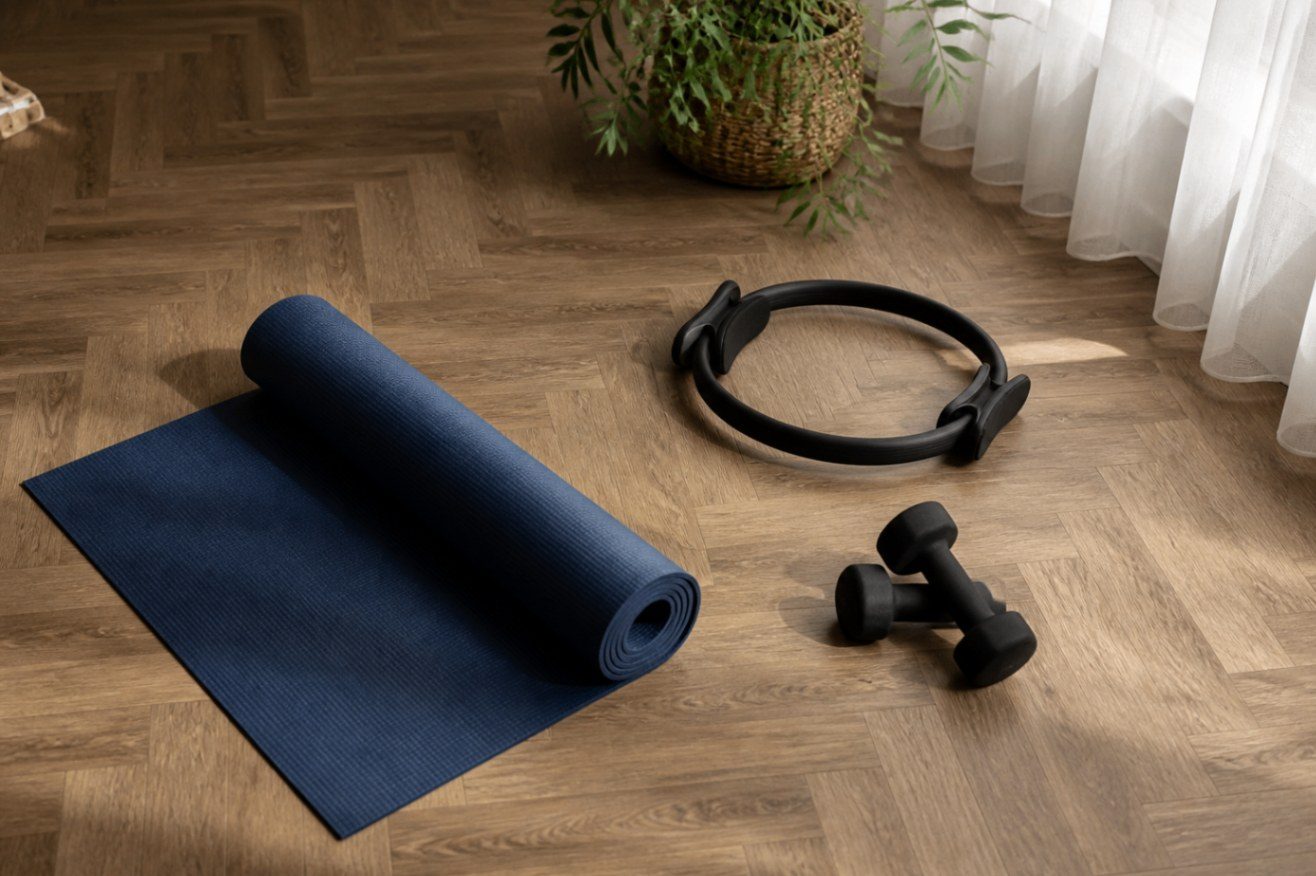
What's the best exercise for perimenopause: yoga, Pilates or strength?
Why yoga, Pilates and strength training each address different parts of perimenopause, why a combination works best, and how to build a routine backed by clinical guidance.
Ramasamy8 min readRead the article
Movement
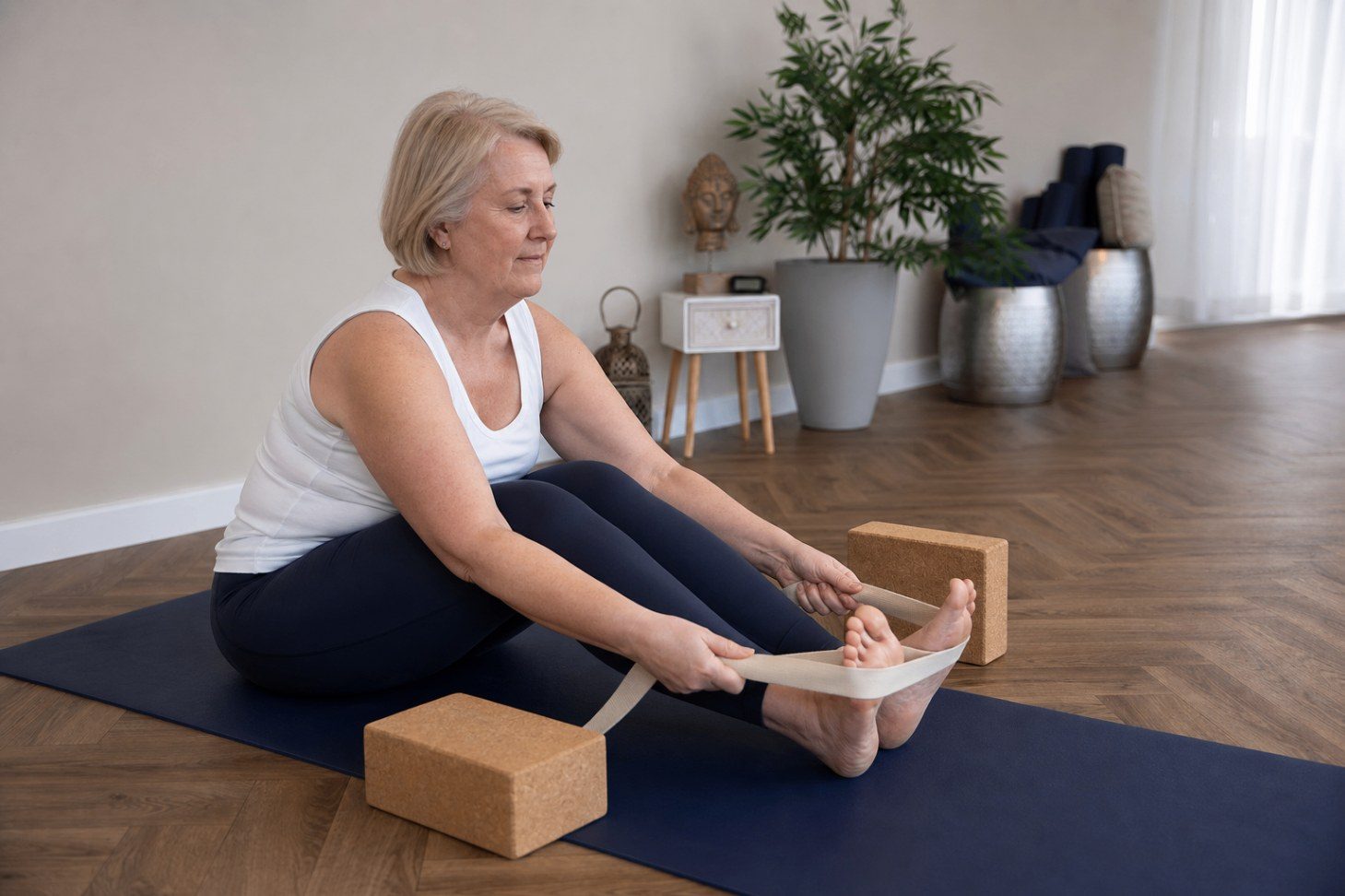
Do you need to be flexible to start yoga?
Flexibility is a result of yoga, not a requirement to start. Why the myth persists, what a first class is really like, and how to begin with confidence.
Ramasamy6 min readRead the article
Movement
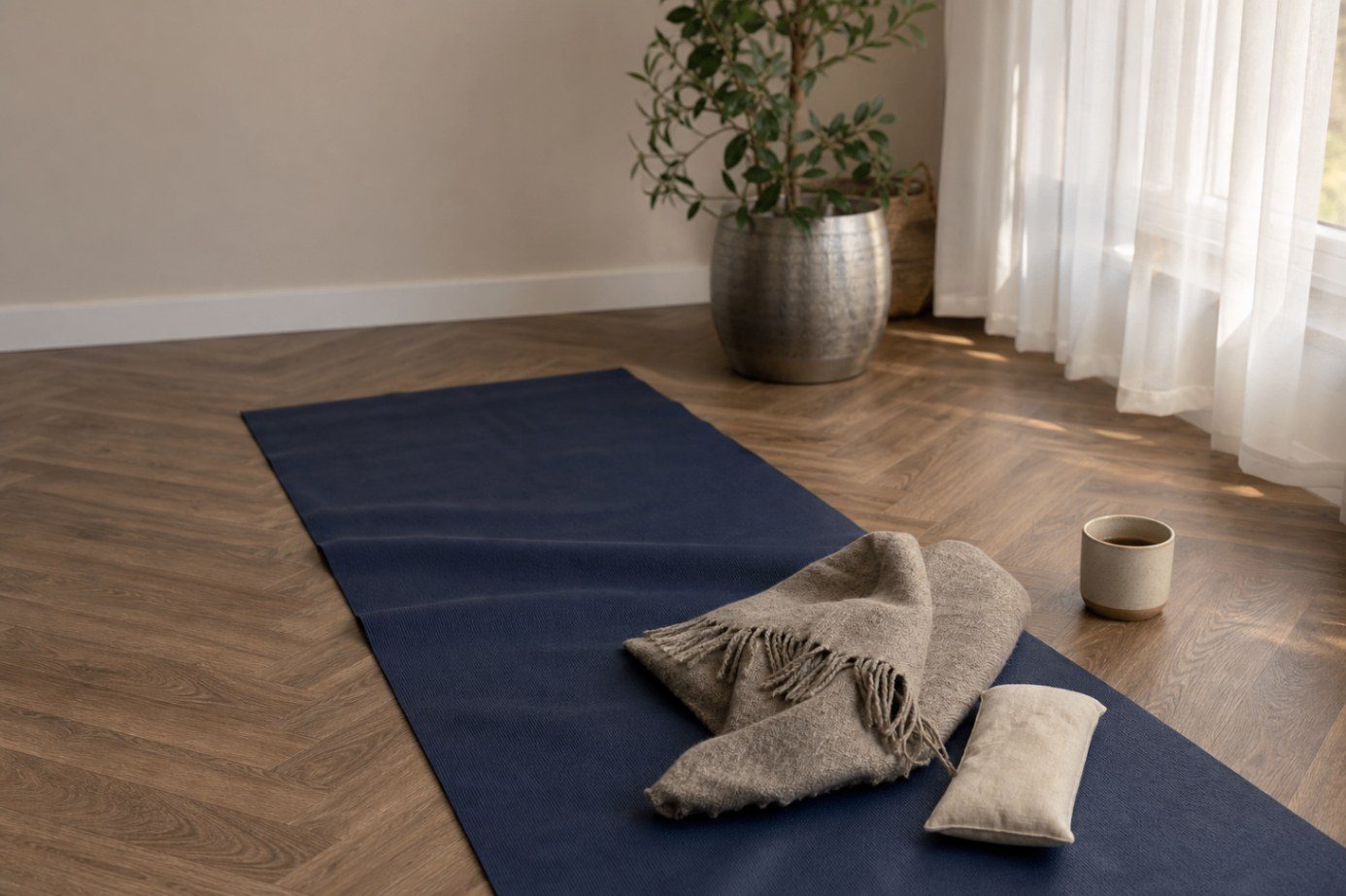
Can yoga help with stress, anxiety and sleep?
How yoga's breathing and mindful movement calm the nervous system, what the evidence shows for anxiety and sleep, and how to use it to wind down.
Ramasamy6 min readRead the article
Movement
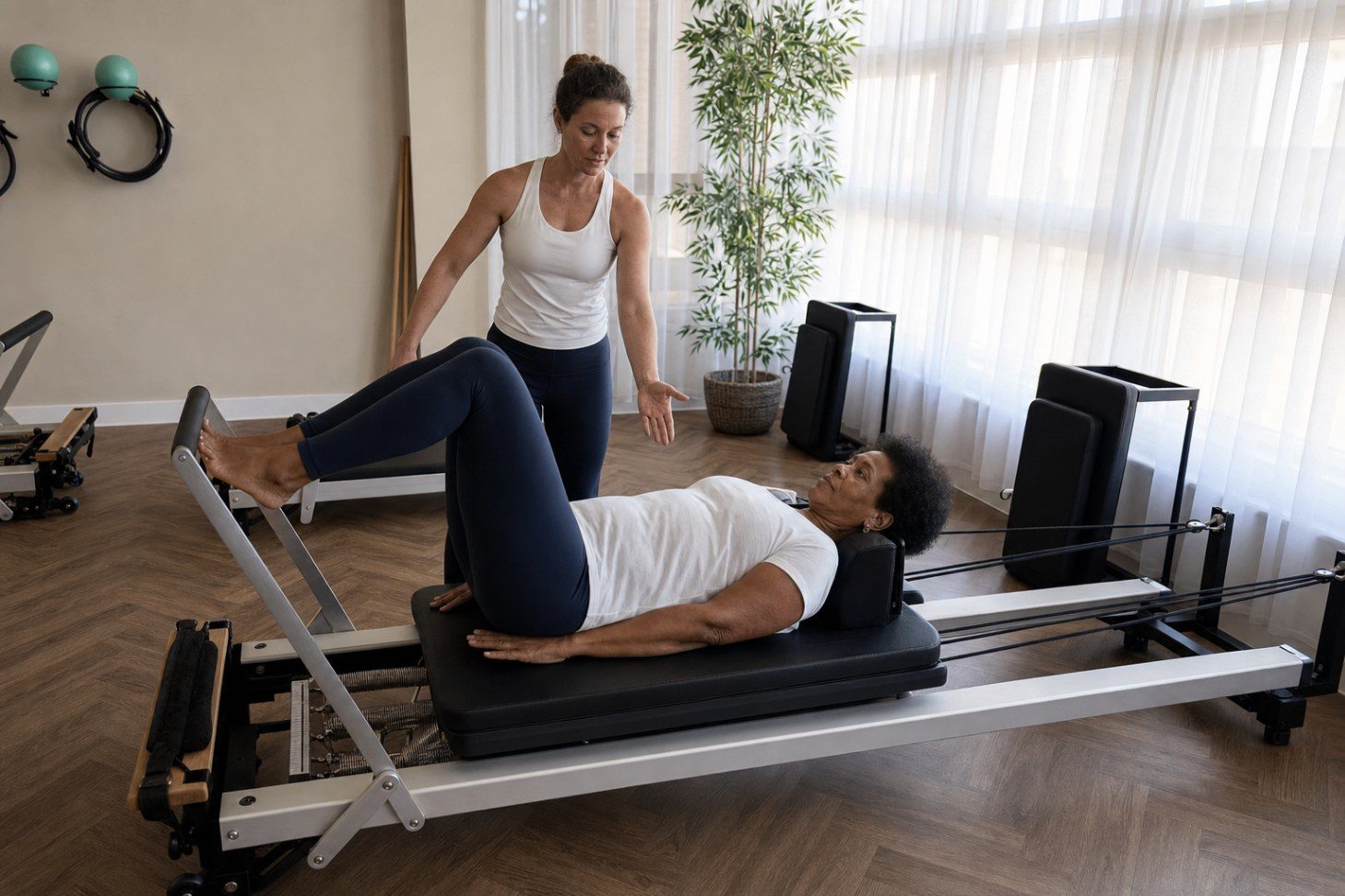
Is reformer Pilates good for beginners?
Why the reformer is more beginner-friendly than it looks, what beginners actually find challenging, and how to start with confidence.
Ramasamy6 min readRead the article
Movement
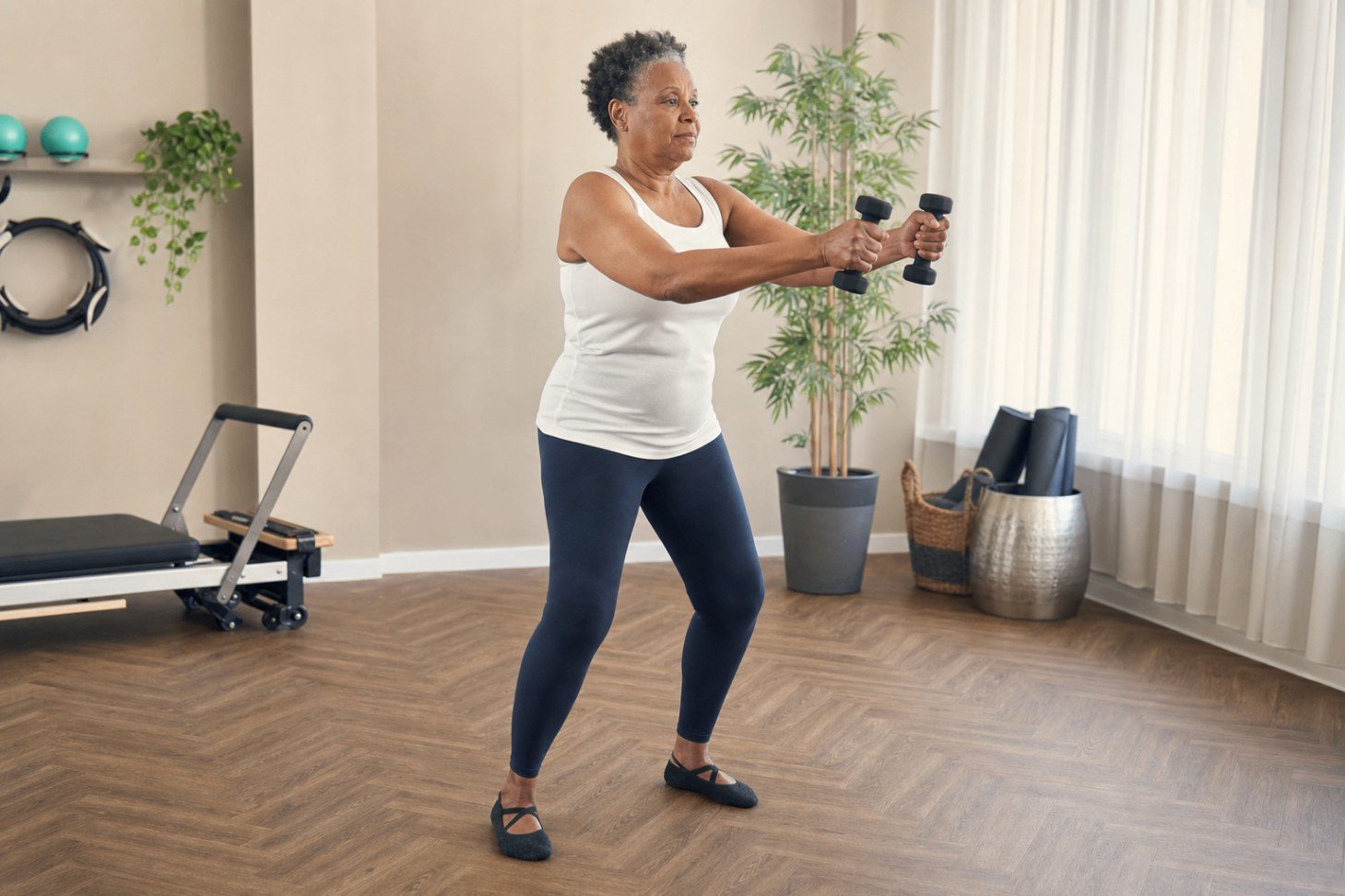
Can Pilates help protect bone density after menopause?
An honest look at how Pilates contributes to bone health, why resistance and impact exercise matter most, and how to combine them after menopause.
Ramasamy7 min readRead the article
Movement
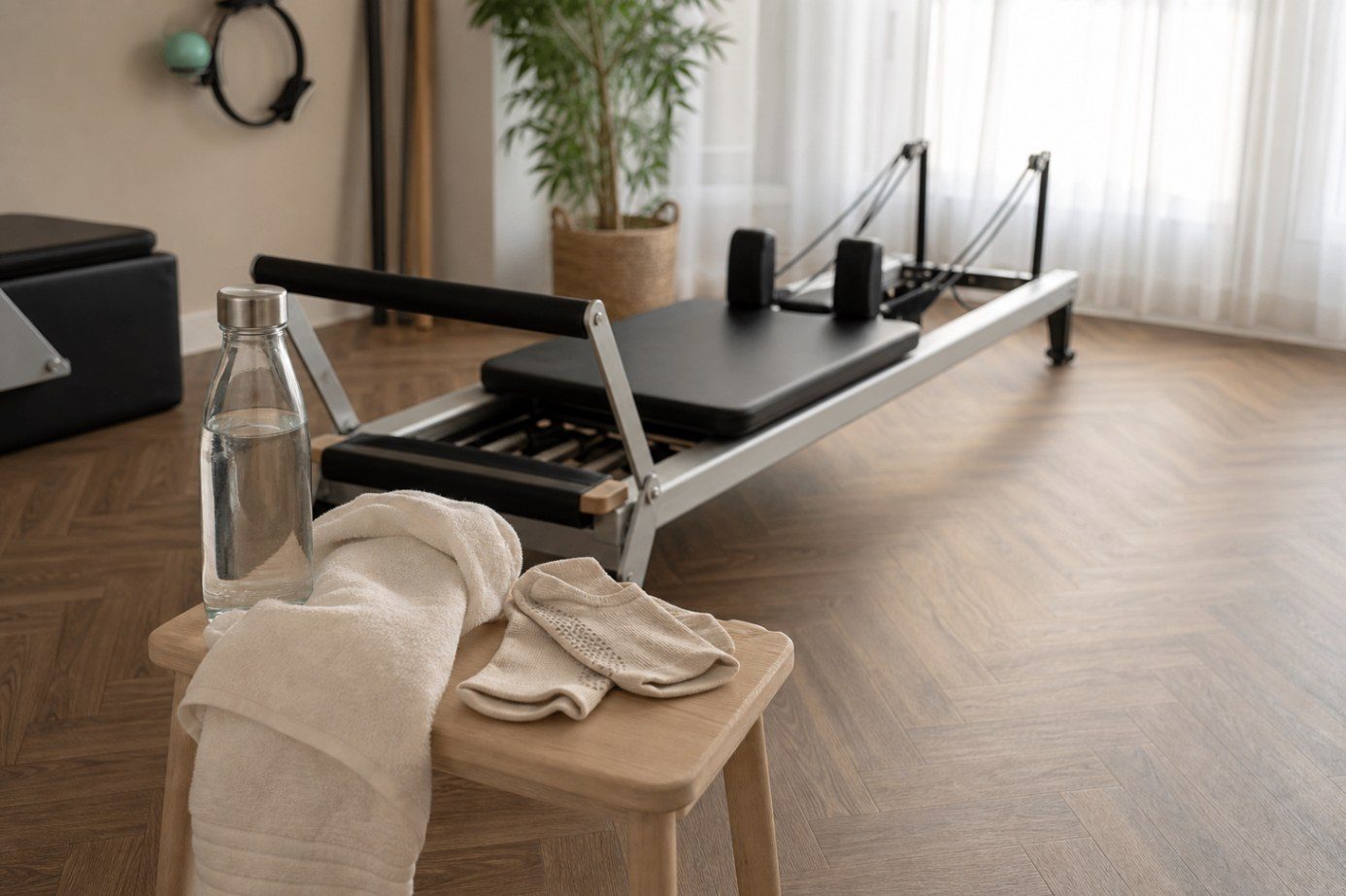
Your first reformer Pilates class in Milton Keynes: what to expect
What to wear, what happens on the machine, how it feels, and simple tips so you walk in relaxed and get the most from your first session.
Ramasamy6 min readRead the article
Movement
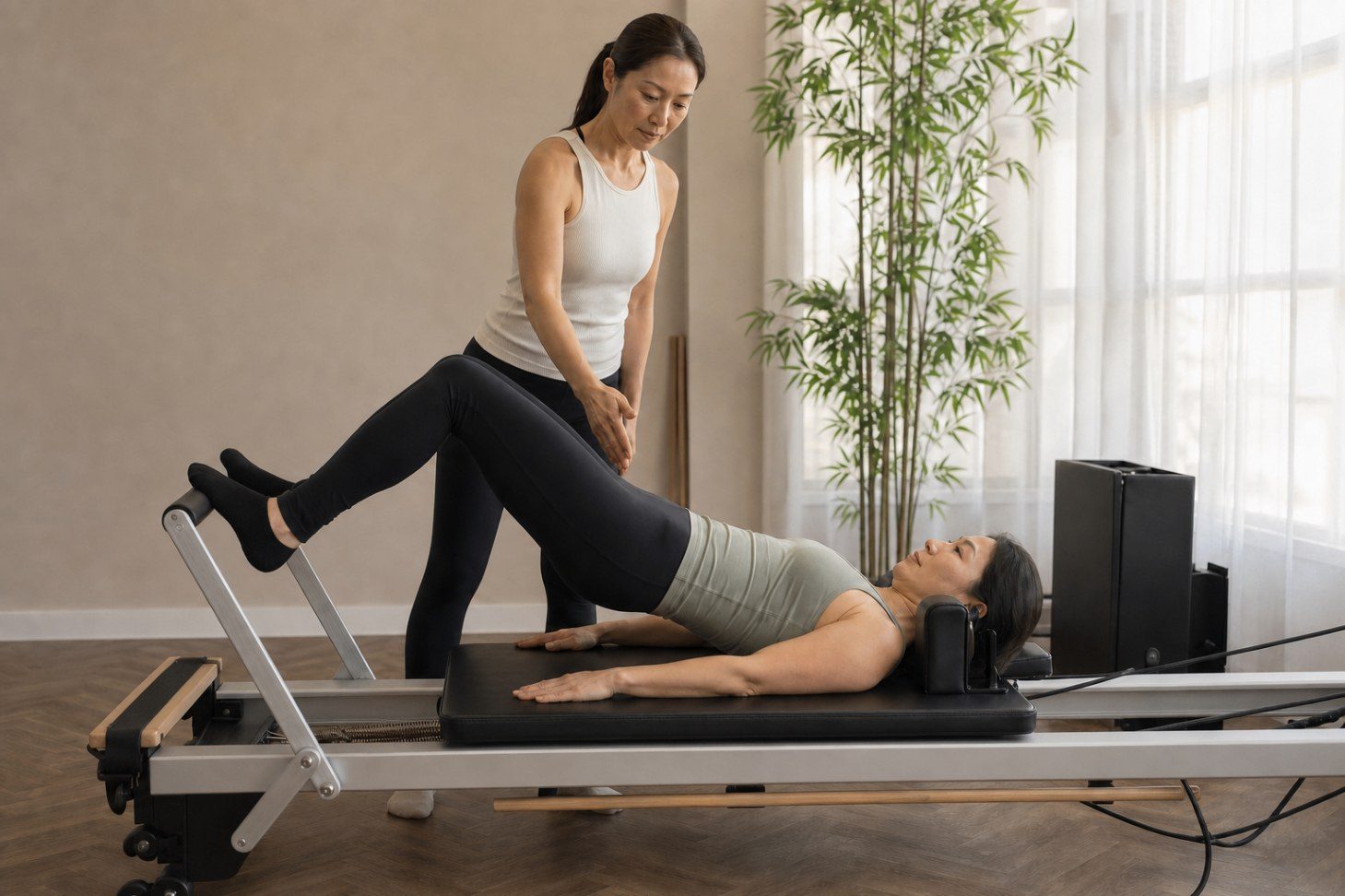
Is reformer Pilates good for back pain and posture?
How reformer Pilates builds the deep core that supports the spine, what the evidence shows for back pain, and when a physiotherapy assessment should come first.
Ramasamy7 min readRead the article
Movement
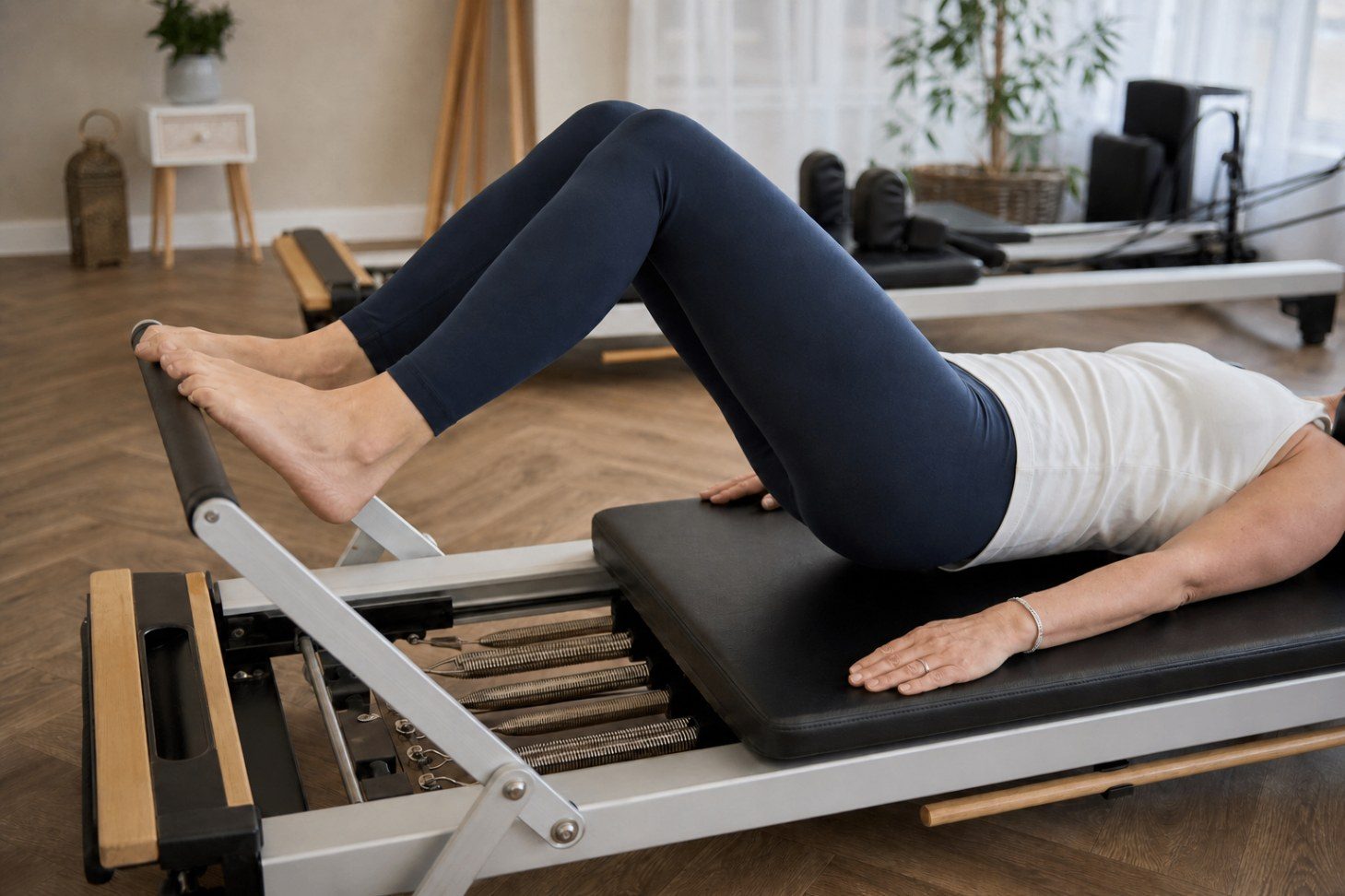
What is reformer Pilates, and how does it work?
How the reformer machine, springs and carriage build strength and control, what a class is like, and who it suits.
Ramasamy7 min readRead the article
Movement
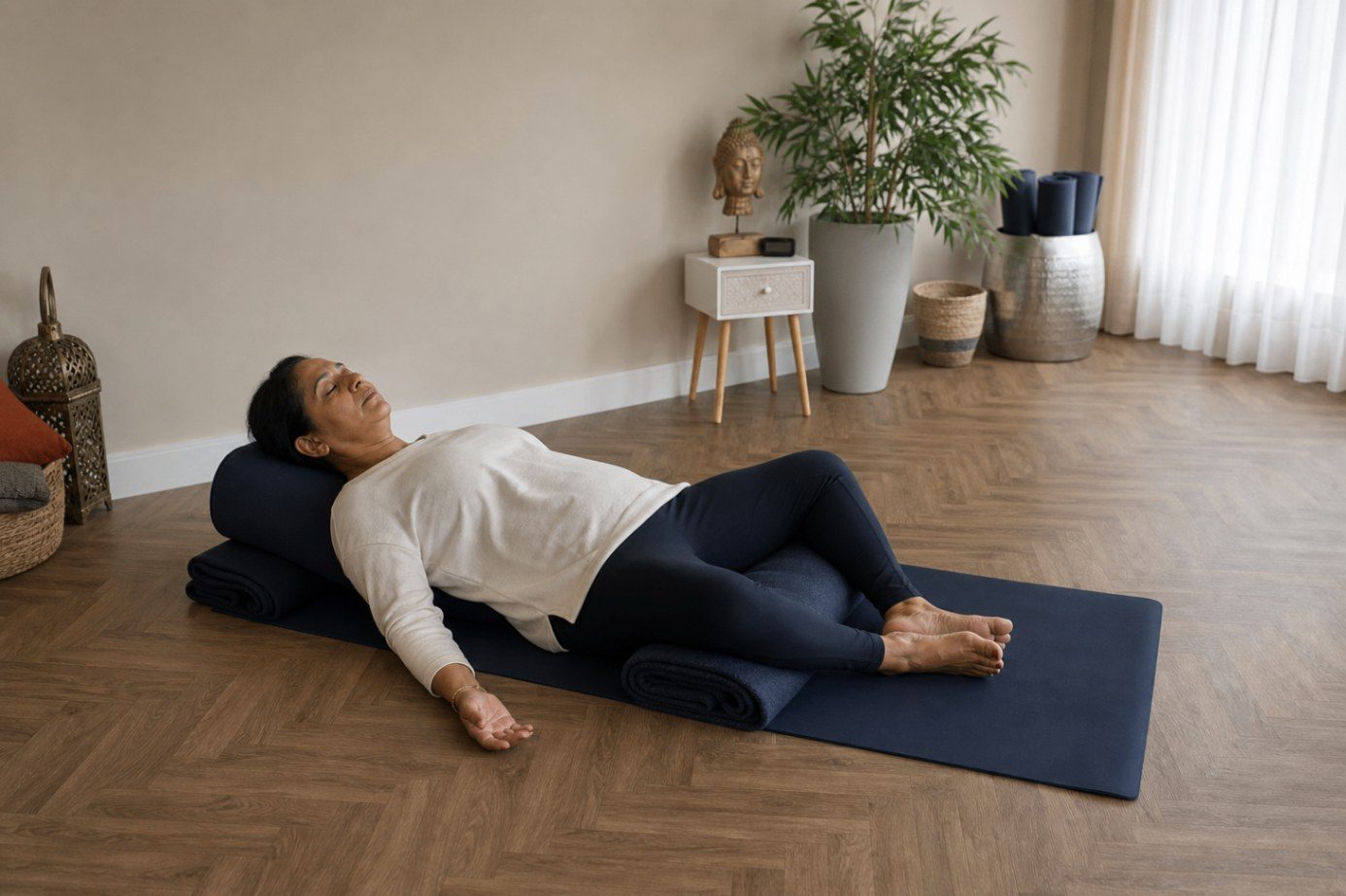
Can yoga help with menopause symptoms?
What the evidence shows for mood, anxiety, sleep and hot flushes during menopause and perimenopause, and how to use yoga well alongside medical care.
Ramasamy7 min readRead the article


Common questions
- What does the movement section cover?
- Reformer Pilates, mat Pilates and yoga: what each one is, what a first class is actually like, who each suits, and how they help with strength, mobility, back pain and stress.
- What is the difference between reformer Pilates and mat Pilates?
- Reformer Pilates uses a spring-loaded carriage that can add resistance or take load off a movement, which makes it easy to scale. Mat Pilates uses body weight and small equipment. Many people use both, and the Beginners Reformer Course and the Mat Pilates intro offer are designed so you can try each.
- Do I need to be flexible or experienced to start?
- No. Classes are taught in small groups so movements can be adapted, and beginners are common. Flexibility is an outcome of practising, not a requirement for joining.
- Can I do Pilates or yoga if I am having physiotherapy?
- Usually yes, and that coordination is the point. Because movement and physiotherapy sit in one team at Hanbury Health, your teacher can be briefed on what to load and what to avoid while you are rehabilitating.
- How often should I practise to feel a difference?
- Most people notice changes in control and comfort when they practise consistently rather than intensively, which is why the Beginners Reformer Course and the Mat Pilates intro offer run across several sessions rather than a single one.
- Who writes and reviews these articles?
- Sarah Ramasamy, who leads movement at Hanbury Health and founded the award-winning Yogomotiv, writes this section. It is medically reviewed by Prof Arul Ramasamy MA PhD MBA FRCS(Tr+Orth).