
Performance
Performance testing in Milton Keynes: who it is for

The short version
- You don't need to be an elite athlete to benefit from performance testing.
- It suits committed recreational trainers who want to stop guessing.
- It suits goal-driven competitors already investing in coaching or nutrition.
- It suits people returning from injury, pregnancy or a long break.
- Three tiers mean you start at the level that matches your goal, from £197.
You do not need to be an elite athlete to benefit from performance testing; it is for anyone who trains, or wants to train, with intent and would rather know their numbers than guess. The image of performance testing as something reserved for professionals puts off exactly the people who would gain the most: committed recreational trainers, people with a specific goal, and those coming back from injury or a break. If you invest time, effort and often money into training, testing tells you whether it is working and where to focus, which is valuable at every level.
Who it suits most: the data-hungry recreational athlete, training several times a week and tired of guessing. The goal-driven competitor, already spending on coaching or nutrition and wanting the missing measurement layer. And the person returning from injury, pregnancy or a long break who wants a credible starting point. You do not need to be fast, strong or sporty to start, only curious enough to want real information.
Myth: it's only for elite athletes
Performance testing carries an unhelpful reputation as the preserve of professionals in a sports-science lab. In reality, the same measurements, body composition, metabolism, aerobic fitness, strength and movement, are just as informative for an amateur as for a pro, arguably more so, because amateurs rarely have access to any objective data at all. A professional has a team measuring these things constantly; most committed amateurs are working from a smartwatch and a hunch. The professional standard for structured, objective fitness testing is set out in ACSM's Guidelines for Exercise Testing and Prescription, and the same protocols apply just as readily to an amateur as to a professional. Testing simply gives you the information the professionals take for granted and grounds your training in data.
The three people it serves best
In practice, three kinds of people get the most value. First, the recreational athlete training four or five times a week who wants to stop estimating and start knowing, where their fitness actually is, and what to work on. Second, the competitor preparing for a race, a Hyrox event, or a season, who is already investing in coaching and wants measurement to make that investment count. Third, the person rebuilding after injury, surgery, pregnancy or a long lay-off, who wants a clinically credible baseline rather than another guess about whether they are ready.
| Who | What they get | Typical level |
|---|---|---|
| Recreational athlete | Real zones and body composition, tired of guessing | Level 1-2 |
| Goal-driven competitor | Full profile to find the true limiter | Level 2-3 |
| Returning from injury | Clinically credible baseline and asymmetry check | Level 3 |
How to choose the right level
Not everyone needs the same depth, which is why the Performance Blueprint is tiered. If you are simply curious about your numbers, an entry-level assessment covering body composition and metabolism is a low-commitment start. If you want to train by proper zones, adding aerobic testing makes sense. And if you are training seriously for a specific goal or returning from injury, the full strength, power and movement battery gives the complete picture and a plan. The right level is about your goals and how much you want to know, not about how "sporty" you are.
Why Hanbury Health is different
Hanbury's Performance Blueprint is deliberately built to serve this whole range, including people who would never call themselves elite athletes. Its three tiers, from a straightforward body-composition-and-metabolism assessment (from £197) up to the full elite battery with a training plan, let you start at the level that suits you, and every result is interpreted by an expert under a named clinical director, not printed by an app. Because it connects into Hanbury's physiotherapy, movement and recovery services, whatever it finds can be acted on. It is performance testing made genuinely accessible, with the clinical credibility to back it.
Frequently asked questions
Do I need to be an athlete to have performance testing?
No. It suits anyone who trains with intent or wants to, including recreational trainers, people with a specific goal, and those returning from injury. You don't need to be fast, strong or sporty.
Is performance testing worth it for amateurs?
Often more so than for professionals, because amateurs rarely have any objective data. Testing gives you the information a professional's support team takes for granted.
Which level of testing do I need?
It depends on your goal: an entry assessment for the curious, aerobic testing added for training by zones, or the full strength and movement battery for serious training or return from injury.
Can performance testing help me if I'm coming back from injury?
Yes. It provides a clinically credible baseline and, at the top tier, strength, power and movement testing to guide a safe, measured return.
Where can I get performance testing in Milton Keynes?
Hanbury Health offers the tiered Performance Blueprint, from £197, suitable from the simply curious to the seriously competitive.
References
Ready to put this into practice?
Hanbury Health is the only place in Milton Keynes bringing VO2 max, body composition and objective strength testing together in one visit, under clinical direction and read with you by an expert.
About the author: Nick Allen is a director of Hanbury Health and a Chartered Physiotherapist (BSc (Hons), HCPC-registered, MCSP), with extensive experience in professional and endurance sport, currently Lead Physiotherapist for Great Britain Badminton. Rehabilitation across the physiotherapy service is medically reviewed by Prof Arul Ramasamy, a consultant foot-and-ankle surgeon.
General information, not medical advice. Written by Nick Allen. Medically reviewed by Prof Arul Ramasamy MA PhD MBA FRCS(Tr+Orth). Last reviewed: 25 July 2026.
Related insights
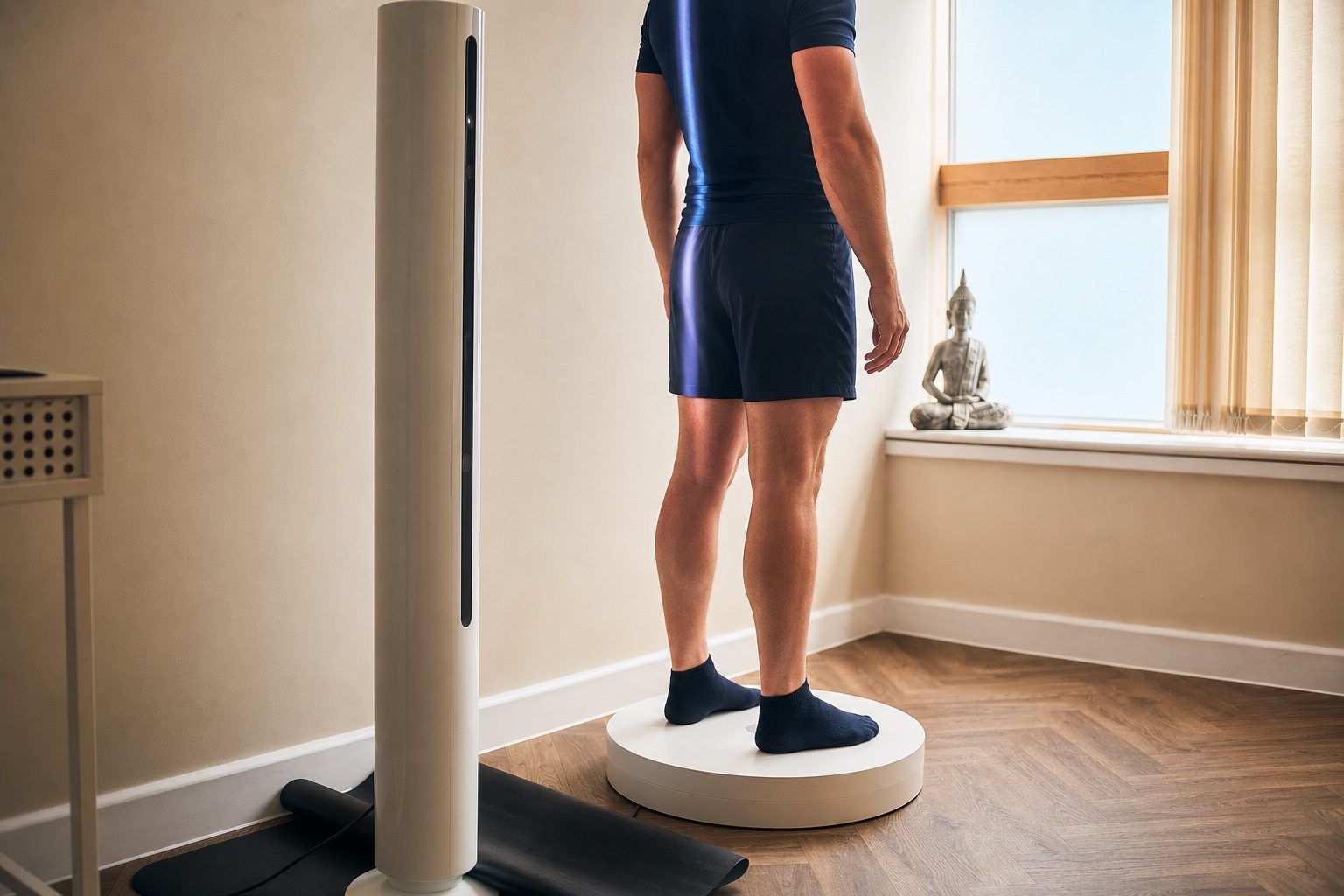
Performance
Body composition testing in Milton Keynes: beyond the bathroom scale
Why lean mass and power-to-weight matter more than the scale, how a Styku 3D scan measures it, and what the numbers mean for training.
Allen7 min readRead the article
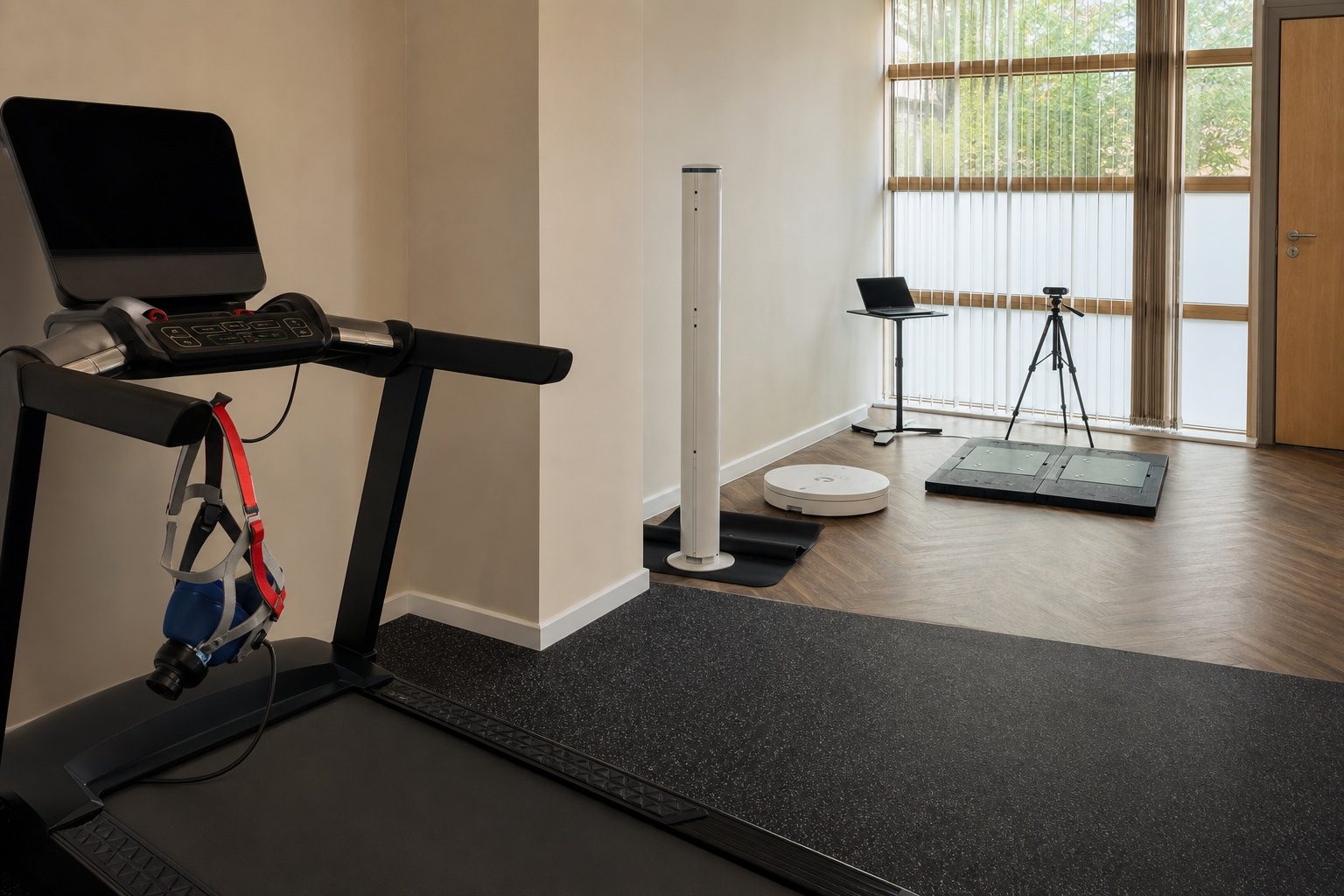
Performance
Performance testing in Milton Keynes: getting the complete picture
Why a complete, clinically-led assessment beats piecemeal testing, and the only place in Milton Keynes that brings VO2 max, body composition and strength together.
Allen7 min readRead the article
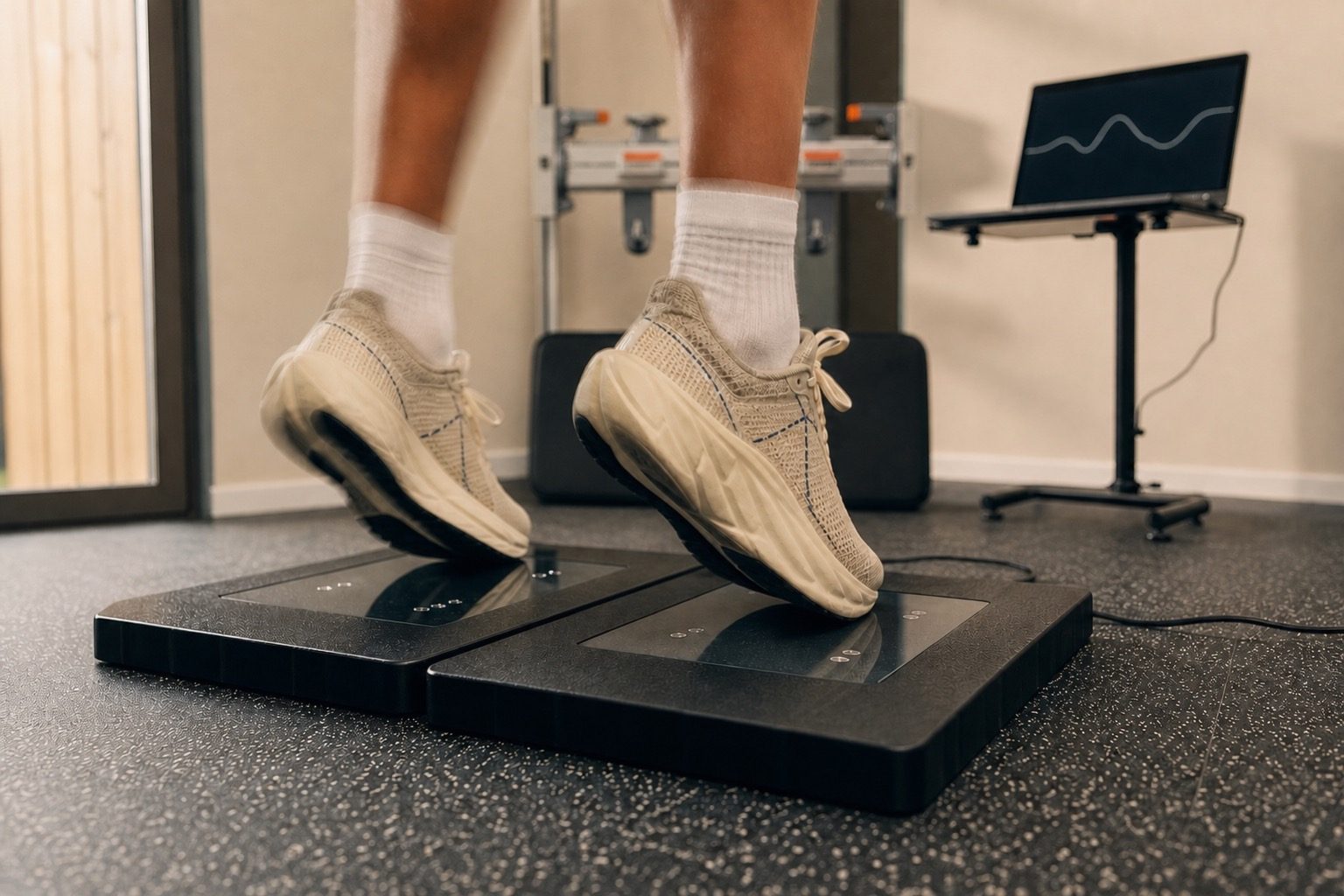
Performance
Force plate testing in Milton Keynes: power, jump performance and hidden asymmetry
How dual force plates quantify power, jump performance and left-right asymmetry, and why that data is useful for training and injury risk.
Allen7 min readRead the article


Stay informed
More from the Hanbury team.
New articles on recovery, movement, physiotherapy and performance, sent when there's something worth reading. No spam, unsubscribe any time.