
Recovery
What are the benefits of an infrared sauna?
The short version
- The active ingredient is heat, muscles loosen and circulation rises.
- Infrared warms the body directly, so the air stays cooler (~45–60°C).
- Strong evidence for regular sauna use comes mostly from traditional Finnish sauna.
- Infrared-specific research is smaller but promising for the same heat effects.
- A helpful contributor to recovery and wind-down, not a stand-alone fix.
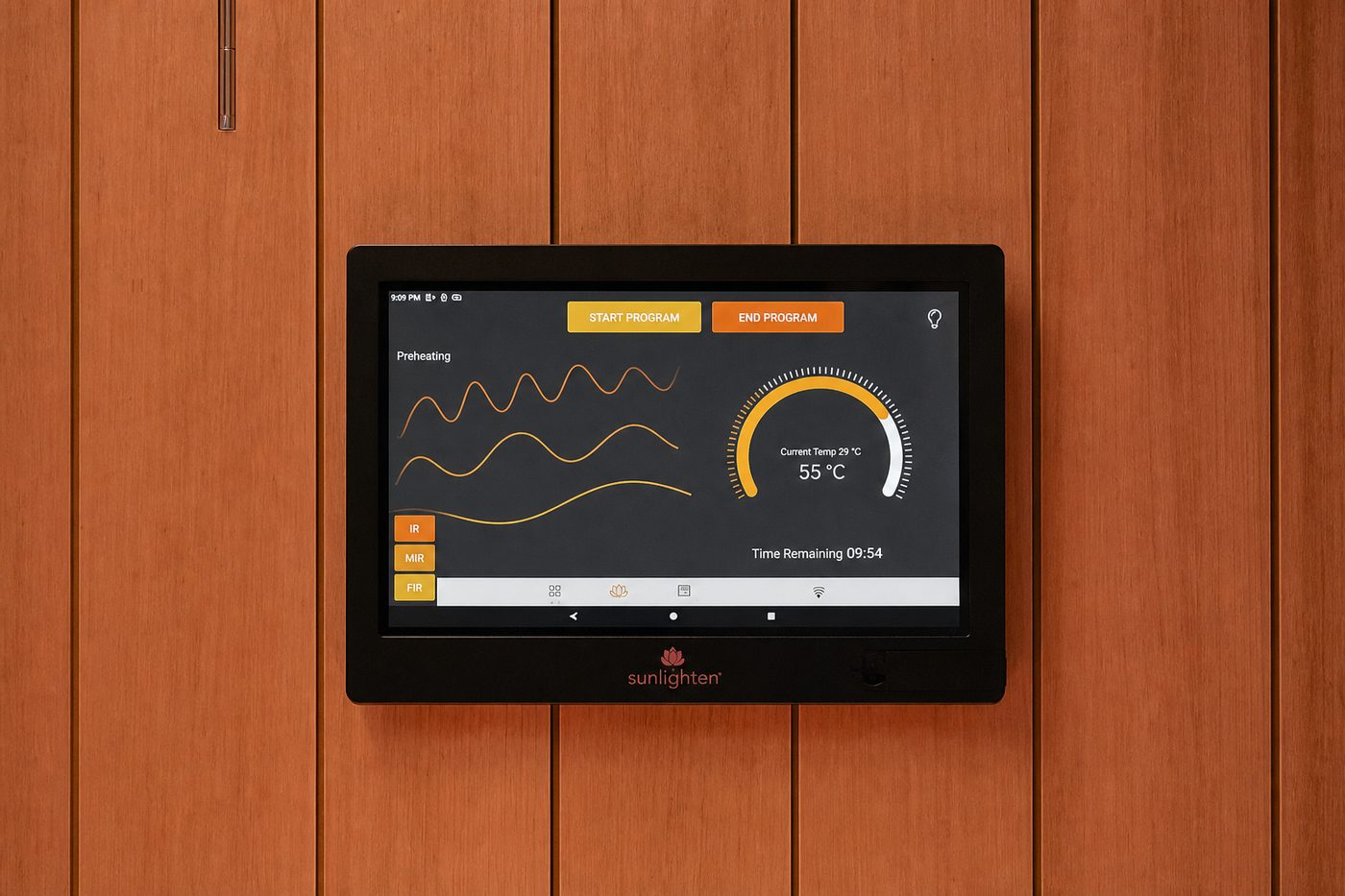
The core benefit of an infrared sauna is the same as any sauna: regular heat exposure that relaxes the body, eases muscle tension, and, over time, is associated with cardiovascular and general health benefits. An infrared sauna produces that heat differently from a traditional one, using infrared light to warm the body directly rather than heating the air around you, which means it feels comfortable at a lower air temperature. It is worth being straight about the evidence, though: most of the strong research is on traditional Finnish sauna bathing, and the specific evidence on infrared saunas is more limited and still developing.
Honest summary: heat exposure has genuine, evidence-backed benefits; most of that evidence is from traditional sauna; infrared is a gentler way to get heat, with promising but less complete research of its own.
What an infrared sauna does
Heat is the active ingredient. Sitting in a warm environment raises your skin and core temperature, widens blood vessels, increases blood flow and heart rate in a way loosely comparable to gentle exercise, and prompts sweating. Subjectively, that produces the familiar effects people seek: muscles feel looser, tension eases, and many find it deeply relaxing. An infrared sauna reaches this state using infrared emitters that warm your body directly, so the air can stay cooler, typically around 45°C to 60°C rather than the 80°C-plus of a traditional sauna, while still raising your body temperature.
What the evidence supports
Here the honest position matters. A substantial body of research, reviewed in Mayo Clinic Proceedings, links regular sauna bathing to meaningful benefits: reductions in blood pressure, improved blood-vessel function, favourable effects on the autonomic nervous system, and, in large long-term studies, associations with lower cardiovascular risk. That evidence is genuinely encouraging. The important caveat is that it comes overwhelmingly from traditional Finnish sauna bathing. Infrared saunas deliver heat by a different route, and while the underlying mechanism, heating the body, is shared, the specific clinical evidence base for infrared is smaller. It is reasonable to expect similar heat-related benefits, but honest to say the research is not yet as complete.
Why people use infrared saunas for recovery
For recovery specifically, the appeal is the combination of increased circulation and deep relaxation. Warming the muscles and boosting blood flow can ease post-exercise stiffness, and the parasympathetic, wind-down effect of sitting in the heat helps with the nervous-system side of recovery: lower stress, easier rest. Many people also simply find it a sustainable habit, because the lower air temperature of infrared makes longer, more comfortable sessions easy to keep up. Paired with cold, it becomes contrast therapy, which is how we most often use it here. As with any single recovery tool, it is a helpful contributor rather than a cure.
Who should take care
Sauna use suits most healthy adults, but a few situations call for caution or medical advice first: pregnancy, significant heart disease or unstable blood pressure, and any condition affecting your ability to sense heat or stay hydrated. Keep sessions sensible, hydrate, and step out if you feel unwell rather than pushing through.
Why Hanbury Health is different
An infrared sauna on its own is just a warm room. What we add is both the equipment and the intent: our Sunlighten mPulse Conquer delivers near, mid and far infrared alongside red light, with low-EMF heaters, and it is paired with cold for contrast therapy and used within a considered recovery routine in Milton Keynes, so the heat is applied for a goal, easing soreness or aiding wind-down, rather than sampled at random. Guided by people who understand recovery, it becomes a purposeful part of your plan rather than a nice place to sweat. See the full recovery suite for how it fits with the other modalities.
Frequently asked questions
Are infrared saunas actually good for you?
Heat exposure has evidence-backed benefits, and infrared is a comfortable way to achieve it. Most of the strongest evidence is from traditional sauna, with infrared-specific research more limited but promising.
What is the difference between infrared and traditional saunas?
A traditional sauna heats the air, so the room is very hot. An infrared sauna uses infrared light to warm your body directly, so it feels comfortable at a lower air temperature.
Can an infrared sauna help muscle recovery?
It can ease stiffness and support relaxation through increased circulation and a calming effect, as a contributor to recovery rather than a stand-alone fix.
Do infrared saunas detox the body?
Detox claims are overstated. The genuine benefits come from heat exposure, relaxation and circulation, not from sweating out toxins.
Where can I use an infrared sauna in Milton Keynes?
Hanbury Health in Milton Keynes offers an infrared sauna within its recovery suite, including as part of contrast therapy.
References
Ready to put this into practice?
About the author: Prof Arul Ramasamy is a consultant orthopaedic surgeon and a founder of Hanbury Health. He holds a PhD in bioengineering from Imperial College London, where he is a Visiting Professor, and is a Fellow of the Royal College of Surgeons (Trauma and Orthopaedics). He leads Hanbury's approach to recovery, performance and long-term health.
General information, not medical advice. Written by Prof Arul Ramasamy. Medically reviewed by Nick Allen BSc (Hons) MCSP. Last reviewed: 25 July 2026.
Related insights
Recovery
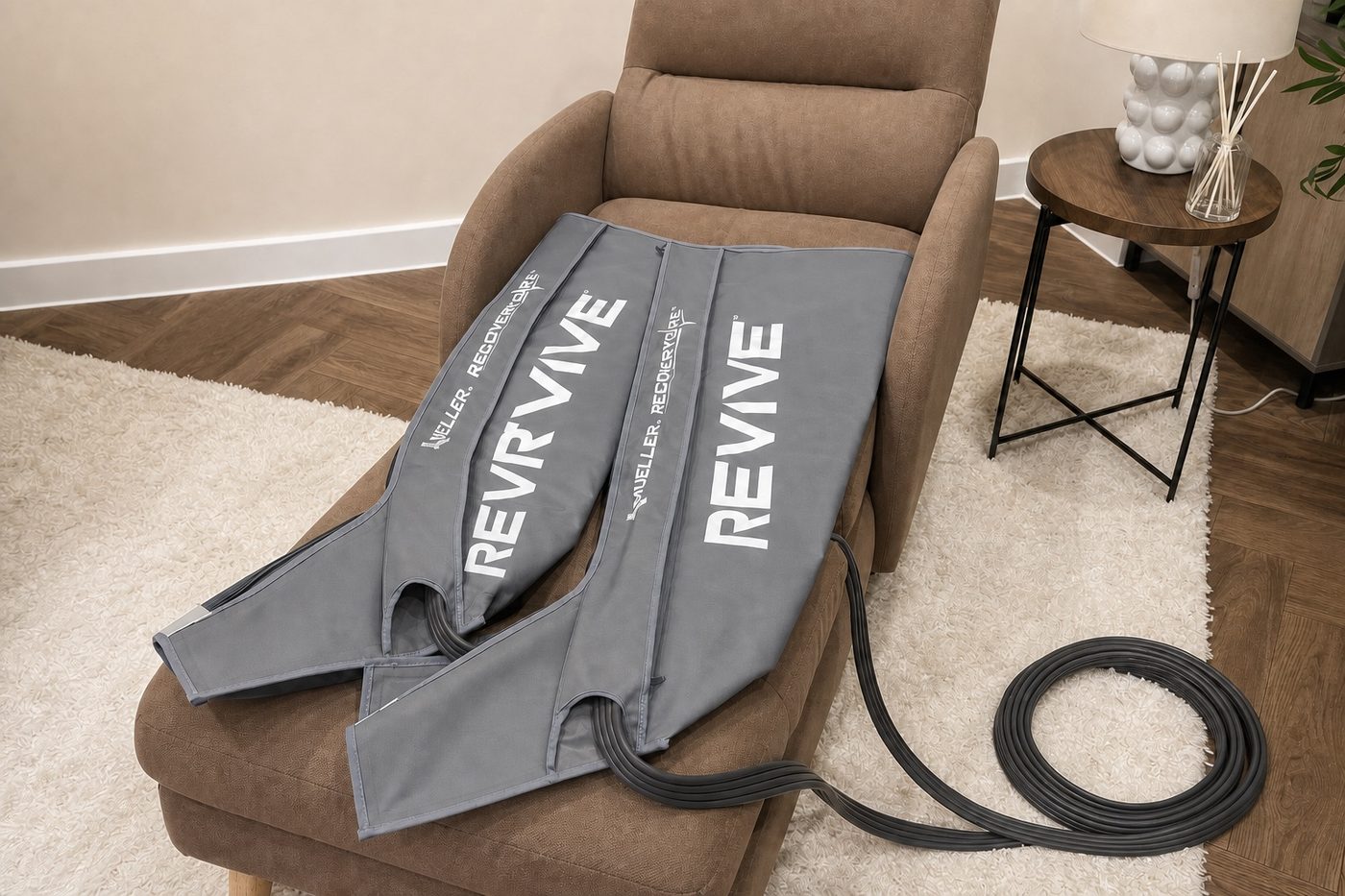
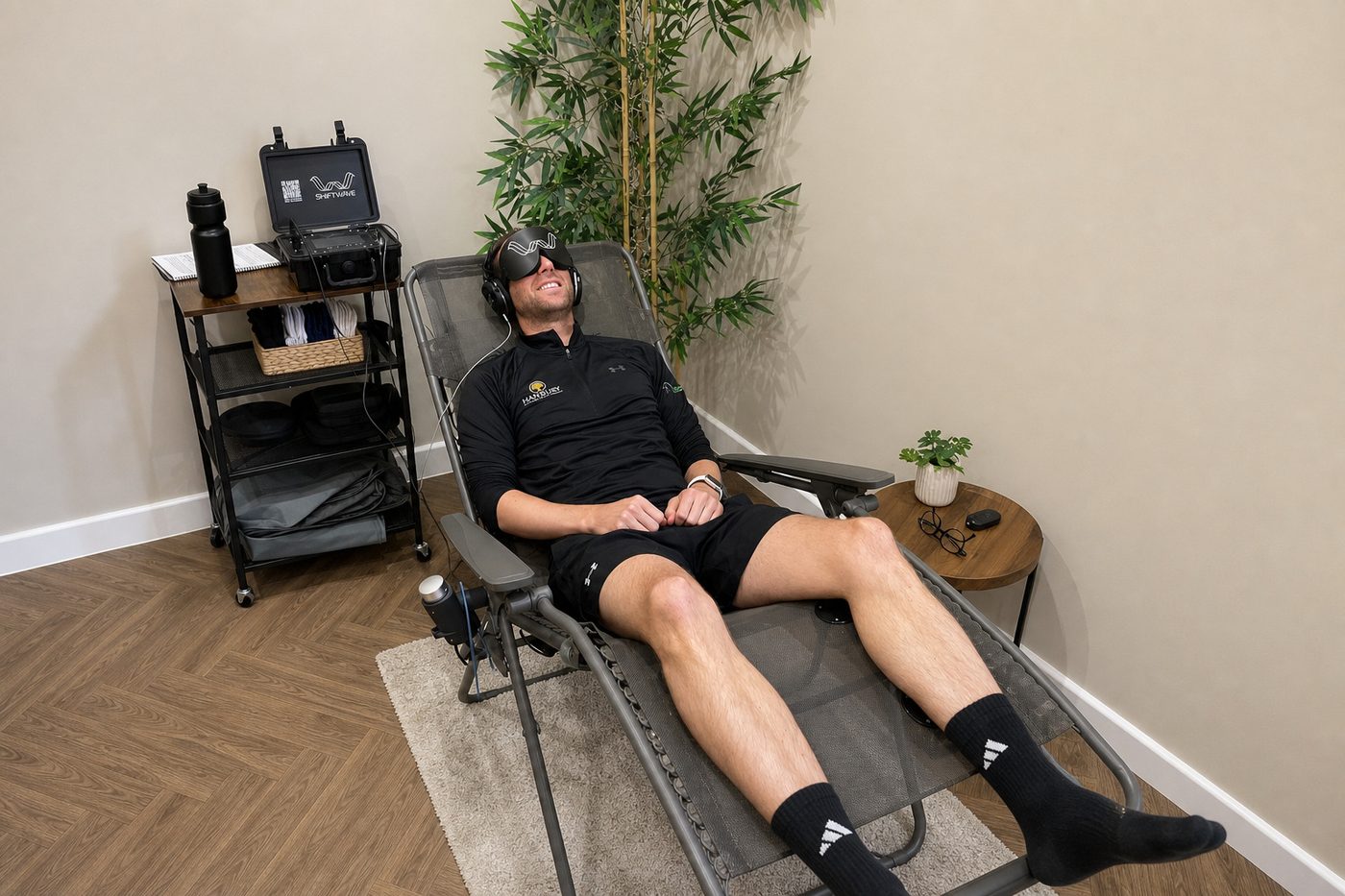
Compression boots or the Shiftwave chair: which do you actually need?
Heavy legs point to the compression boots, a wired nervous system to the Shiftwave chair. How to tell, and why the £75 circuit covers both.
Ramasamy8 min readRead the article
Recovery
How often should you do the Recovery Circuit, and how do you build it into a routine?
Once or twice a week suits most people. How to find your own rhythm with the £75 Recovery Circuit, and when to add the rest of the suite.
Ramasamy8 min readRead the article
Recovery
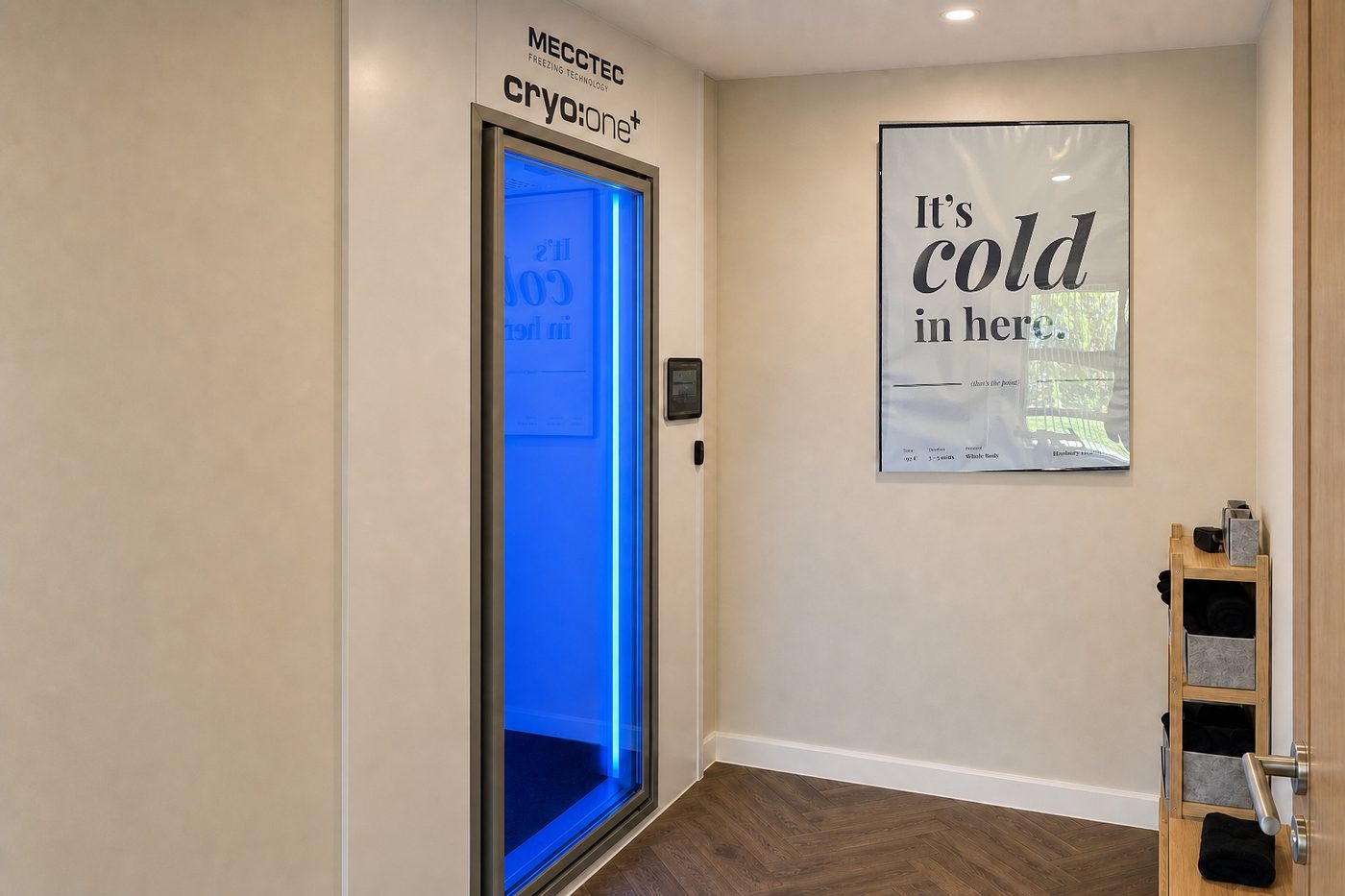
What does a Hyrox-specific recovery routine actually look like in Milton Keynes?
Match what you feel after a Hyrox race to the right tool: heavy legs, a wired nervous system, localised DOMS and cumulative training-block fatigue.
Ramasamy9 min readRead the article
Stay informed
More from the Hanbury team.
New articles on recovery, movement, physiotherapy and performance, sent when there's something worth reading. No spam, unsubscribe any time.