
Insights · Recovery
Recovery in Milton Keynes, honestly explained.
This section explains how each recovery therapy works, what the evidence supports, and how to choose what to use and when. It is written and medically reviewed by Prof Arul Ramasamy, consultant orthopaedic surgeon and a founder of Hanbury Health, and covers cryotherapy, compression, contrast, red light, hyperbaric oxygen, lymphatic drainage and Shiftwave.
20 articles found
Recovery
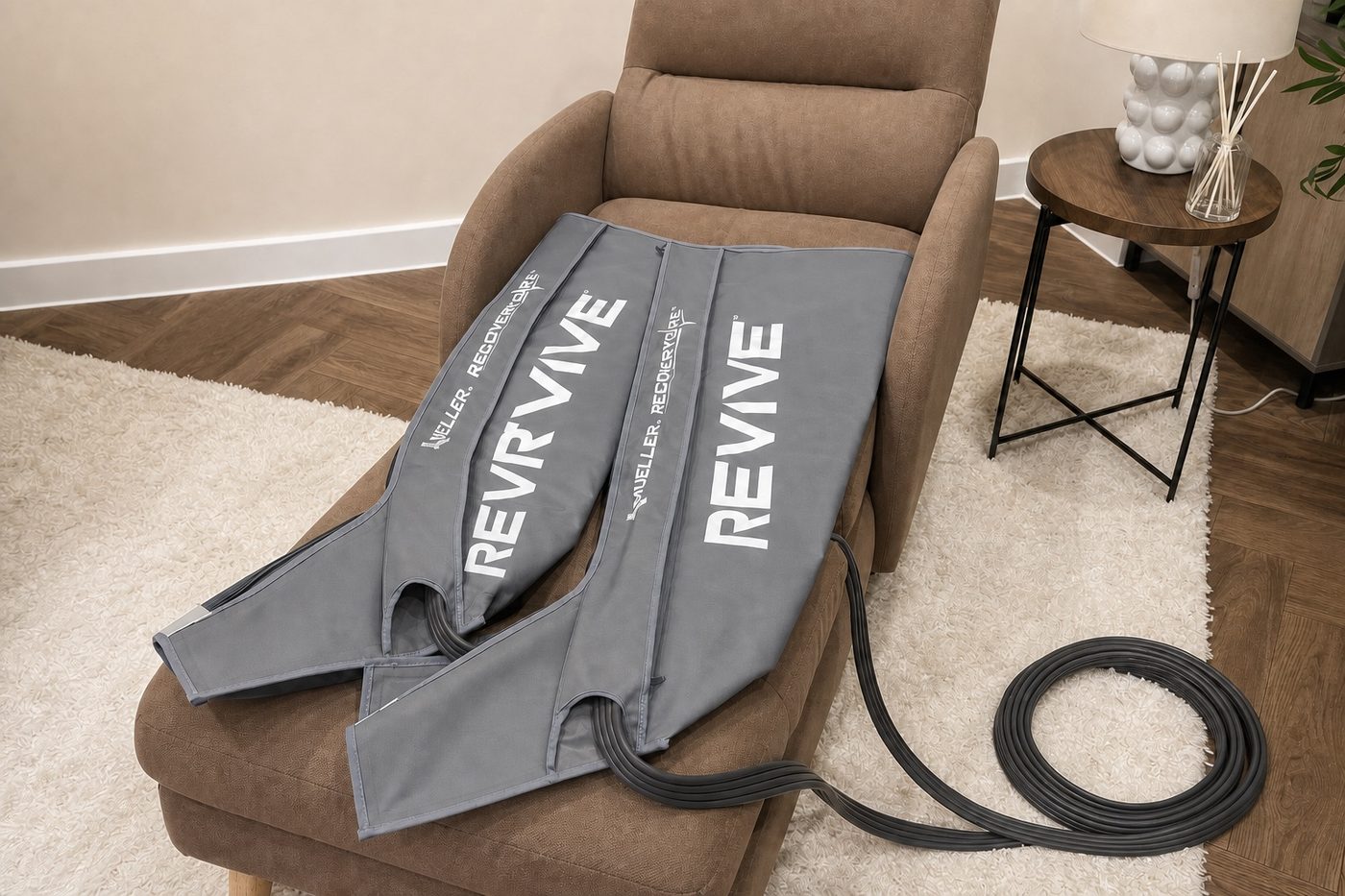
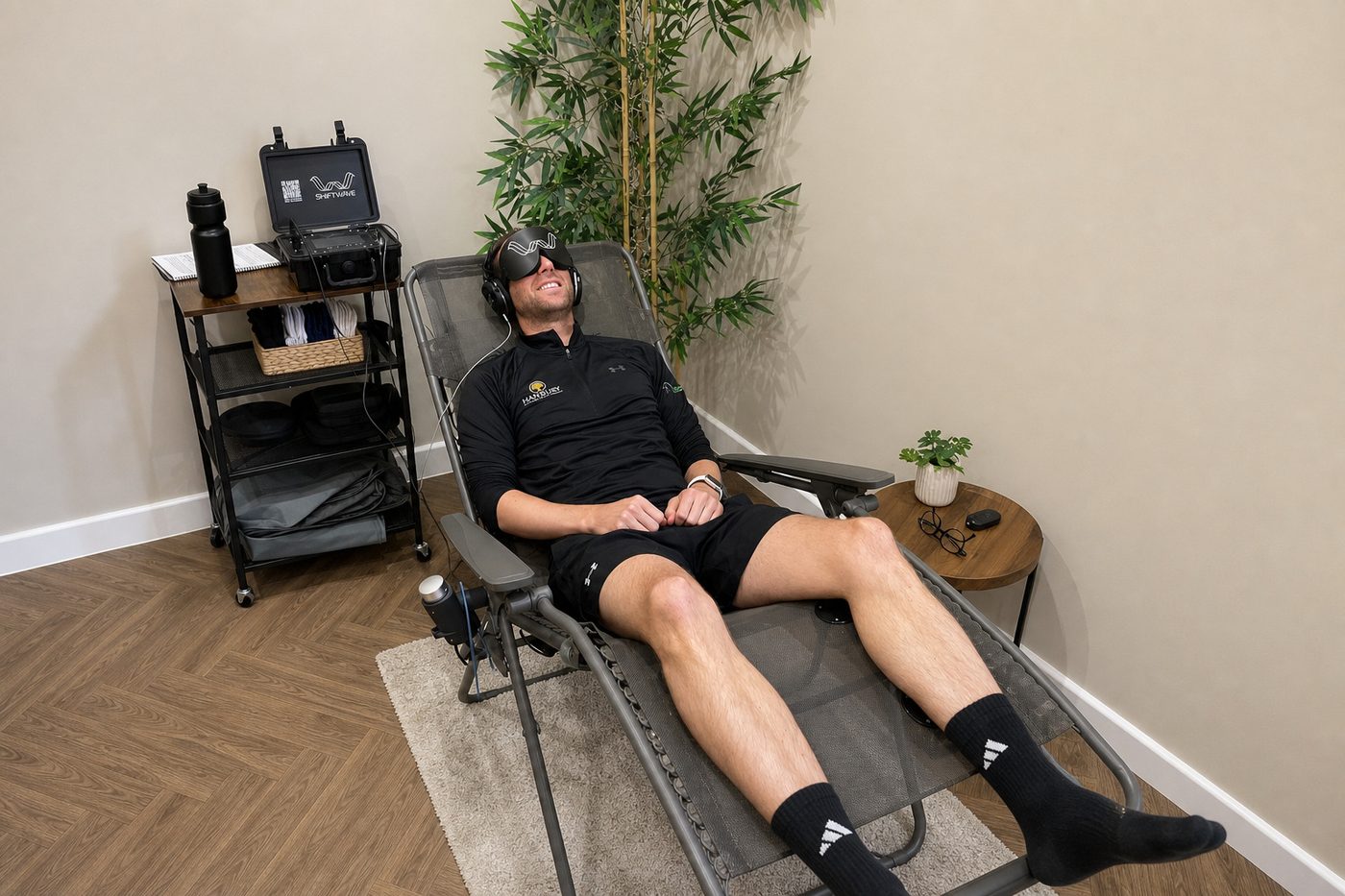
Compression boots or the Shiftwave chair: which do you actually need?
Heavy legs point to the compression boots, a wired nervous system to the Shiftwave chair. How to tell, and why the £75 circuit covers both.
Ramasamy8 min readRead the article
Recovery
How often should you do the Recovery Circuit, and how do you build it into a routine?
Once or twice a week suits most people. How to find your own rhythm with the £75 Recovery Circuit, and when to add the rest of the suite.
Ramasamy8 min readRead the article
Recovery
What does a Hyrox-specific recovery routine actually look like in Milton Keynes?
Match what you feel after a Hyrox race to the right tool: heavy legs, a wired nervous system, localised DOMS and cumulative training-block fatigue.
Ramasamy9 min readRead the article
Recovery
Can recovery therapy help you sleep better and feel less wound up in Milton Keynes?
For anyone wound up by ordinary life rather than training. How guided nervous-system down-regulation helps sleep, and where to start.
Ramasamy8 min readRead the article
Recovery
What are compression boots, and how do you use them for recovery?
Inflatable sleeves that squeeze your legs in rhythmic waves. What they are used for, what the evidence shows, and how to try them in Milton Keynes.
Ramasamy8 min readRead the article
Recovery
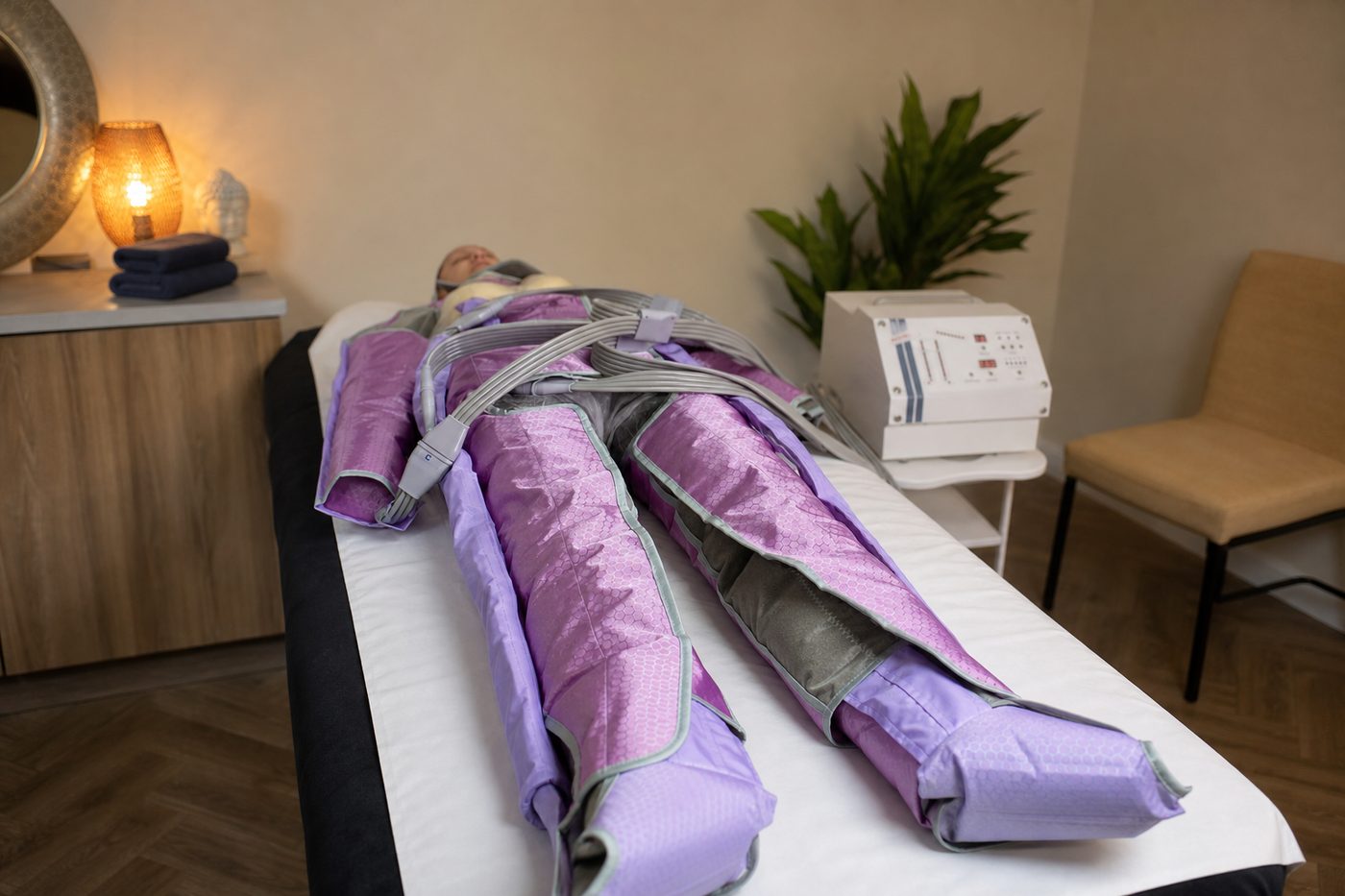
What is a lymphatic drainage suit, and when should you use one?
A full-body pressure suit that works from your feet upward. What it does for heavy legs, how it differs from compression boots, and when it is worth booking.
Ramasamy8 min readRead the article
Recovery
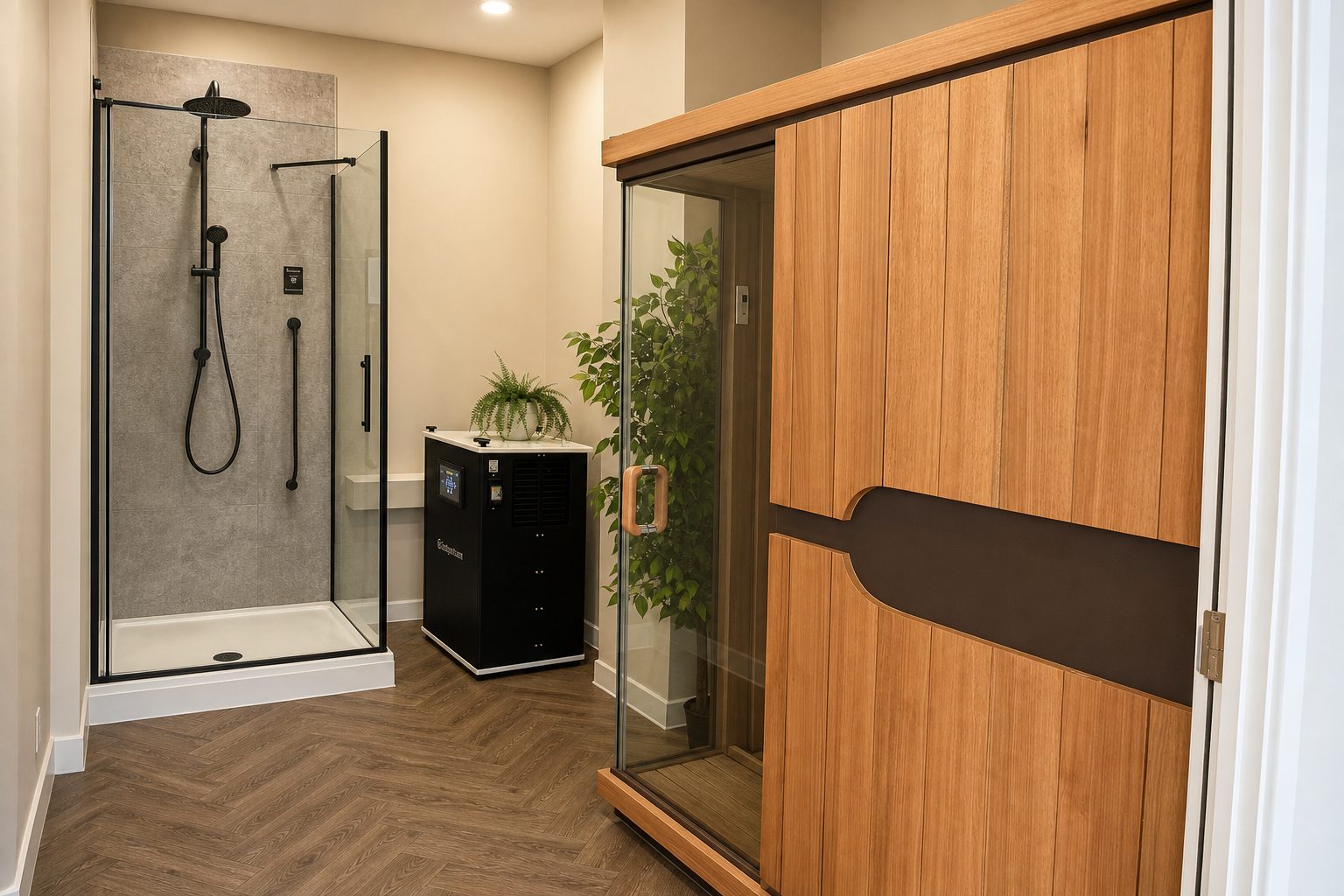
What is contrast therapy, and how do you do it well?
Infrared sauna followed by a precisely timed ice shower. How the hot-cold sequence works, what it helps with, and who should check first.
Ramasamy8 min readRead the article
Recovery
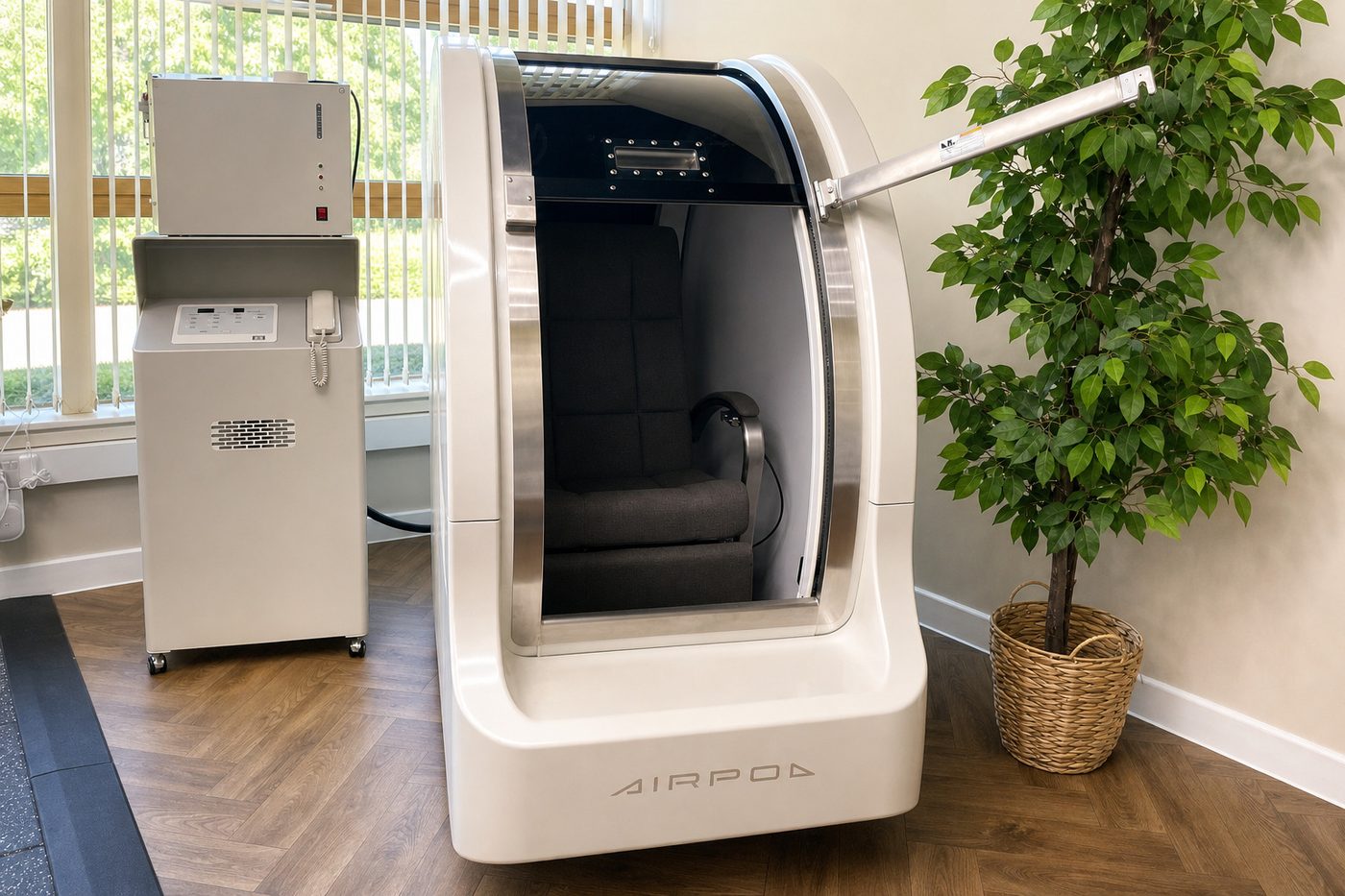
What is mild hyperbaric oxygen therapy, and who is it for?
A calm, pressurised chamber session with added molecular hydrogen. What it is, what the evidence does and does not show, and when it is worth adding.
Ramasamy8 min readRead the article
Recovery
Who is recovery therapy actually for in Milton Keynes?
Recovery therapy is not reserved for athletes. How the recovery suite helps anyone feel less stiff, sleep better, and move more freely.
Ramasamy8 min readRead the article
Recovery
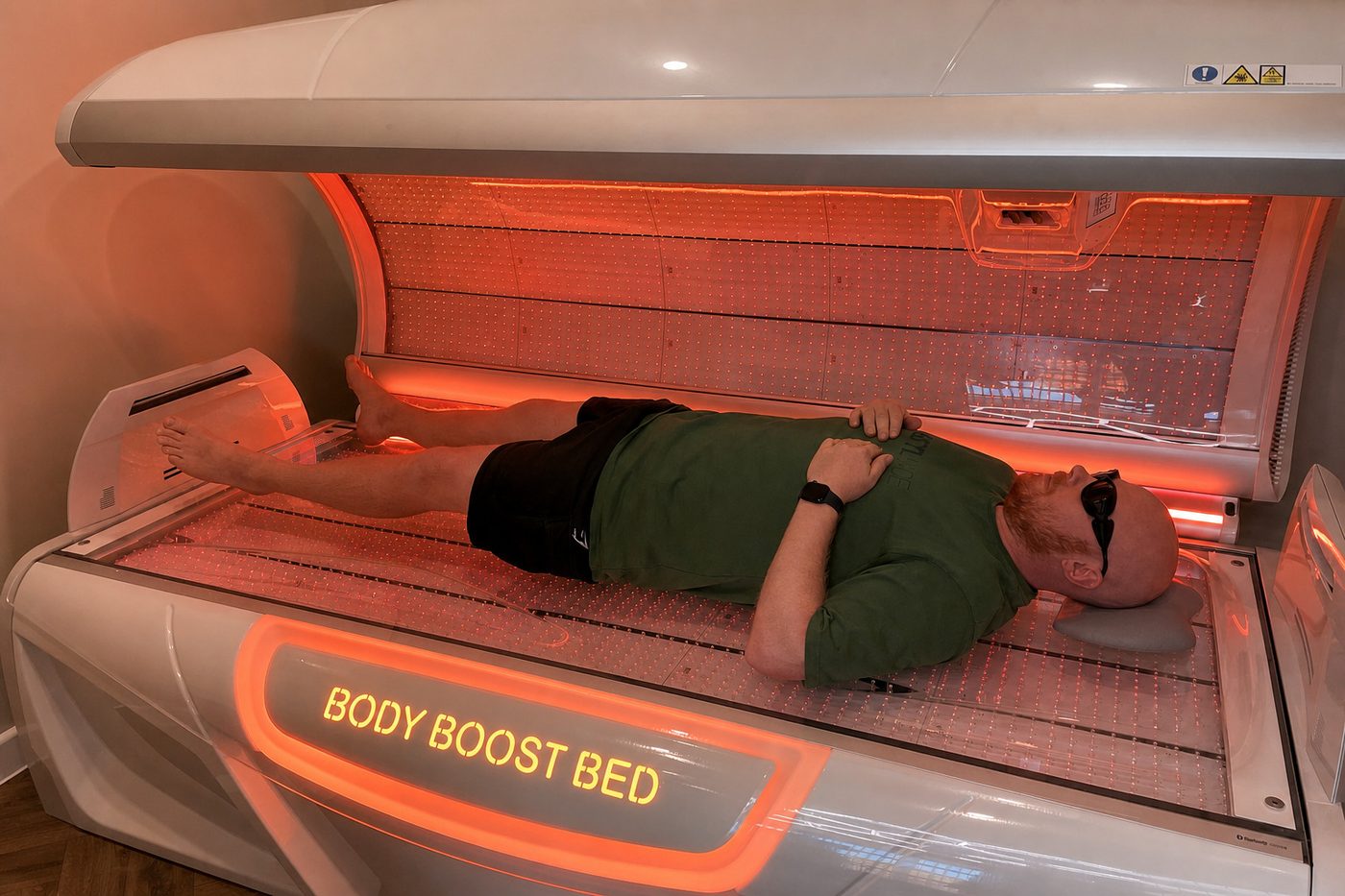
Does recovery therapy help fibromyalgia? What the evidence actually shows
Hyperbaric oxygen, full-body red light, whole-body vibration and cryotherapy each have fibromyalgia trial data. What it shows, and a suggested weekly circuit.
Ramasamy8 min readRead the article
Recovery
Which recovery therapy is best for muscle soreness (DOMS)?
What the evidence says about massage, cold, contrast and compression for muscle soreness, and how to choose the right one.
Ramasamy7 min readRead the article
Recovery
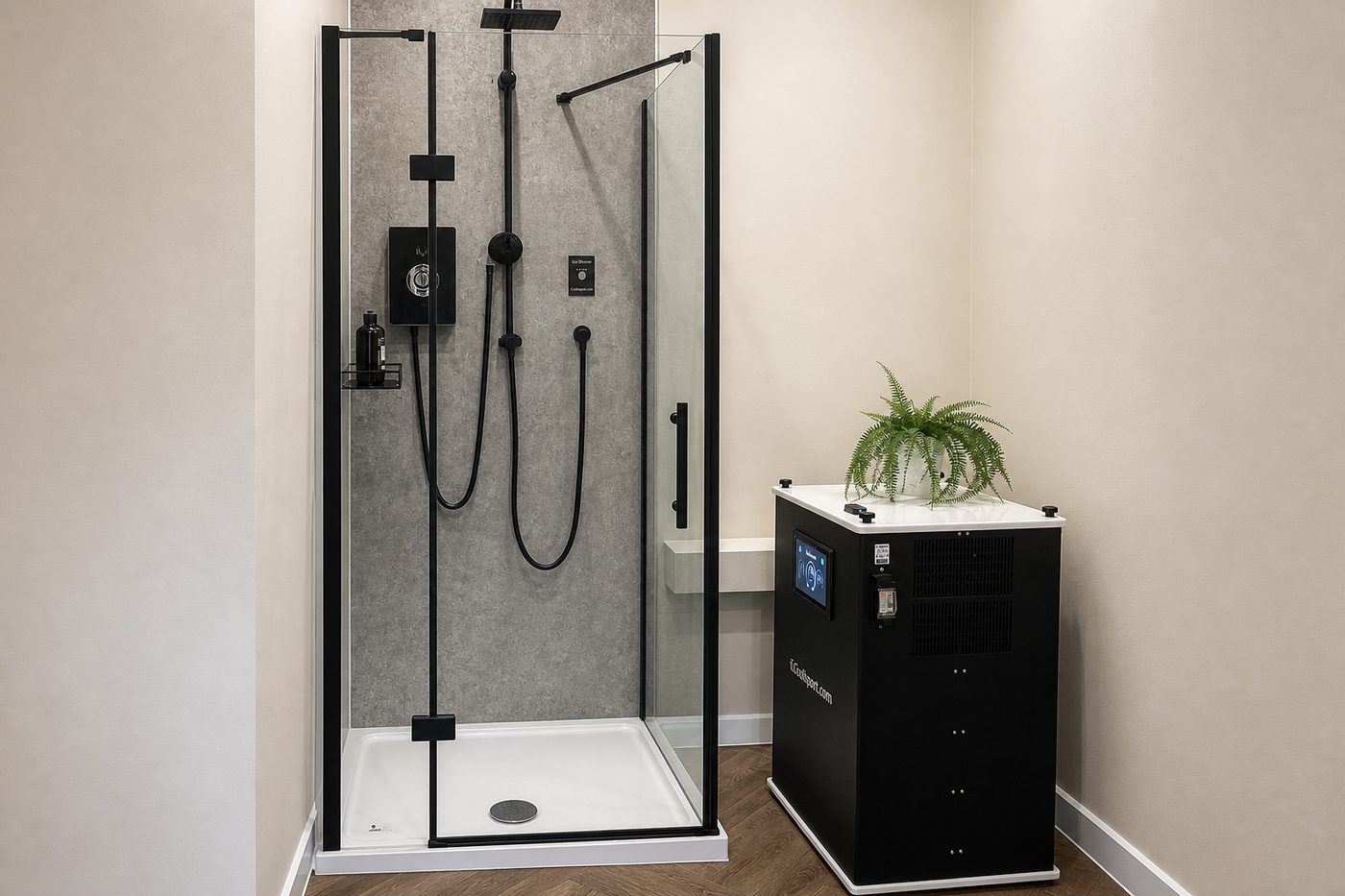
What are the benefits of a cold plunge or ice bath?
What the evidence shows for soreness, mood and recovery, plus who should take care and how to try cold well.
Ramasamy6 min readRead the article
Recovery
What are the benefits of cryotherapy for recovery?
An honest guide to what whole-body cryotherapy actually helps with, muscle soreness, fatigue, and how to use it well.
Ramasamy7 min readRead the article
Recovery
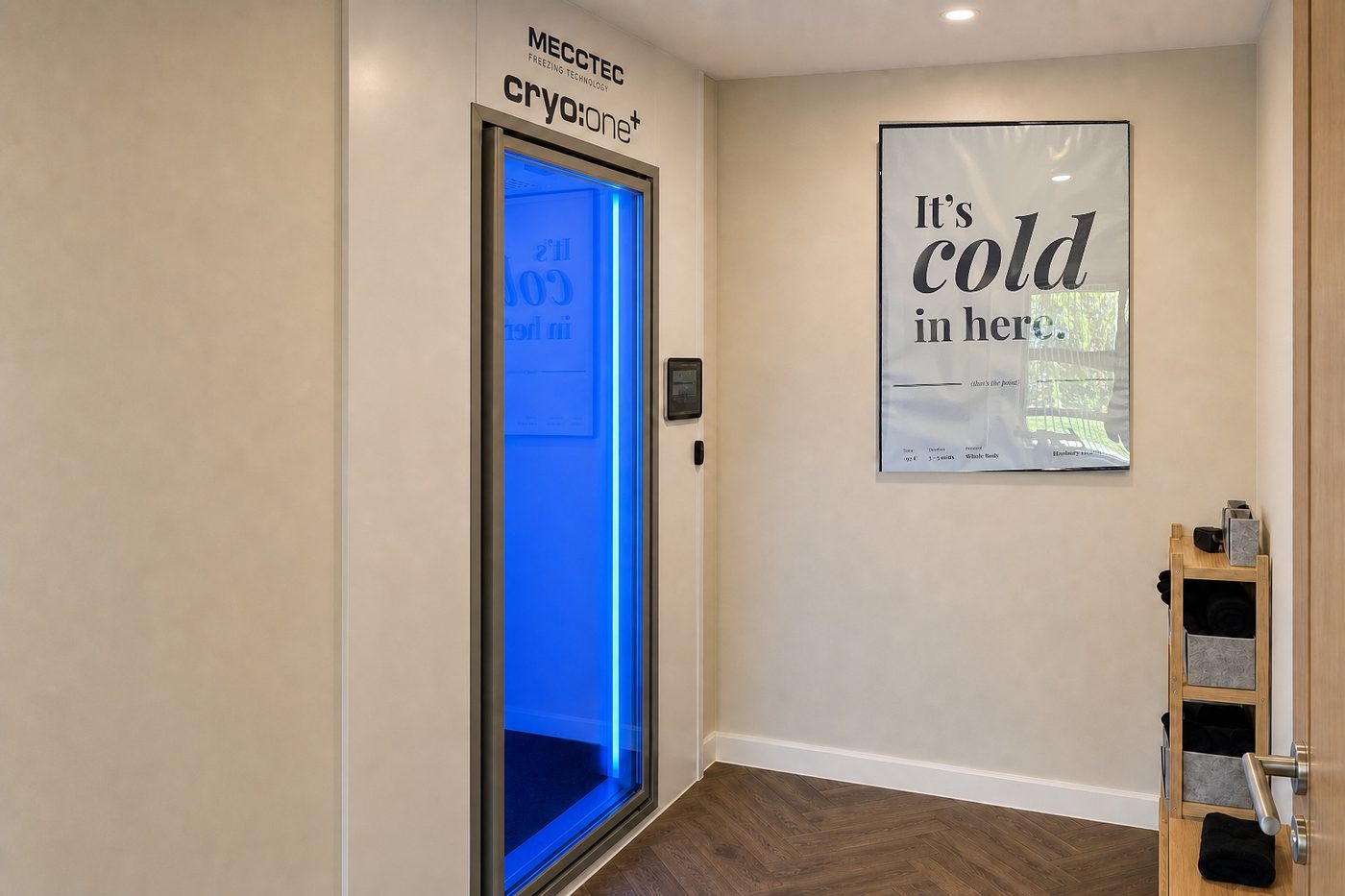
Cryotherapy in Milton Keynes: what to expect at your first session
A practical walk-through of a first whole-body cryotherapy session, what to wear, how it feels, and how it fits the guided circuit.
Ramasamy6 min readRead the article
Recovery
Cryotherapy vs ice bath: which is better for muscle recovery?
How the two cold methods differ, what the evidence shows, and how to pick the one you'll actually keep doing.
Ramasamy6 min readRead the article
Recovery
How to recover faster after a workout
The foundations that actually speed recovery, sleep, nutrition, load and active recovery, and where the therapies fit on top.
Ramasamy6 min readRead the article
Recovery
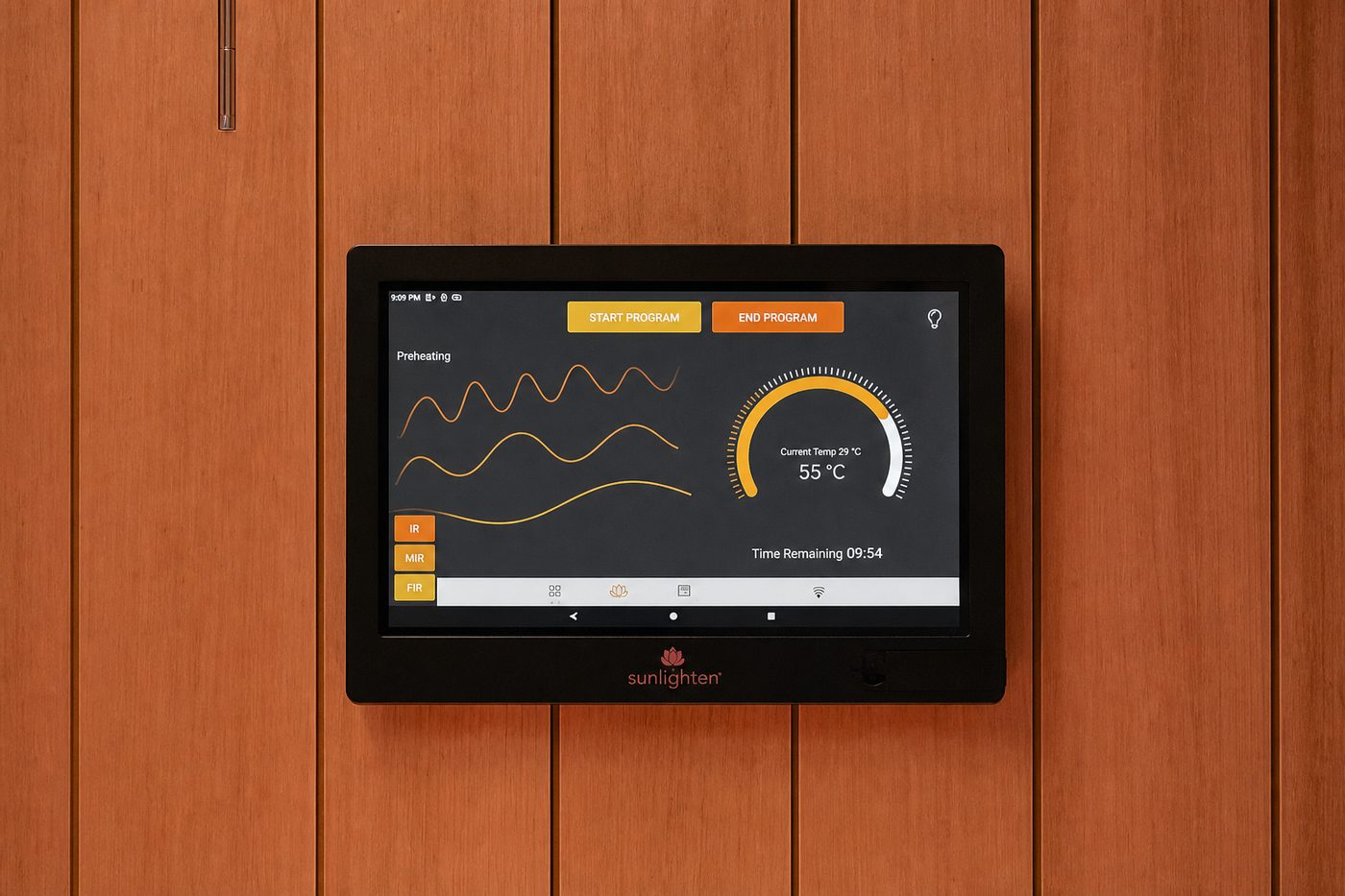
What are the benefits of an infrared sauna?
What the evidence on sauna bathing actually supports, how infrared differs from traditional, and where it fits for recovery.
Ramasamy6 min readRead the article
Recovery
The Hanbury recovery circuit in Milton Keynes: benefits
Three recovery systems in one guided visit, cryotherapy, compression boots and the Shiftwave chair, in a deliberate order.
Ramasamy6 min readRead the article
Recovery
Recovery therapy in Milton Keynes
Seven recovery systems in one suite, an expert-led £75 circuit, and how it fits into a wider health plan.
Ramasamy6 min readRead the article
Recovery
What is whole-body cryotherapy, and how does it work?
A plain-language explainer, what happens in the chamber, the body's response, and where it fits in real-world recovery.
Ramasamy6 min readRead the article
Common questions
- What does the recovery section cover?
- How each recovery therapy works, what the published evidence supports and does not support, and how to choose between cryotherapy, compression, contrast, red light, hyperbaric oxygen, lymphatic drainage and Shiftwave depending on what you are training for or recovering from.
- Does recovery actually do anything, or does it just feel good?
- Both matter, and the articles separate them. Some effects are well evidenced, such as reduced perceived soreness after hard training. Others are promising but still limited in the research. Each article says which is which rather than treating every therapy as proven.
- Which recovery therapy should I start with?
- Most people start with the guided recovery circuit rather than a single therapy, because it lets you feel how your body responds to cold, compression and nervous system work in one visit before committing to one route.
- How often should I use recovery?
- It depends on your training load and what you are recovering from. As a general pattern, people use recovery around hard training blocks, competition weeks or periods of high stress rather than daily. The team sets a frequency with you at your first visit.
- Do I need to be an athlete to use recovery?
- No. A large share of people using recovery at Hanbury Health are not competitive athletes. They are managing training, work stress, sleep or long-term conditions, and want a structured way to recover rather than a one-off treatment.
- Who writes and reviews these articles?
- Prof Arul Ramasamy MA PhD MBA FRCS(Tr+Orth), consultant orthopaedic surgeon and a founder of Hanbury Health, writes and medically reviews the recovery section.