
Recovery
The Hanbury recovery circuit in Milton Keynes: benefits
The short version
- One guided visit through three recovery systems: cryotherapy, compression boots, Shiftwave chair.
- Each system targets a different side of recovery, muscular, circulatory and nervous-system.
- Order is deliberate: sharp cold, then soothing compression, then deep calm, you leave settled, not wired.
- Introductory circuit is £75; bring a towel, swimwear and water.
- Suits athletes, people under high load and those in rehabilitation, speak to a physio first if injured.
The Hanbury recovery circuit is one guided visit through three systems in a fixed order: three to four minutes of whole-body cryotherapy, around 20 minutes in compression boots, then time in the Shiftwave chair. One expert stays with you throughout, so there is nothing to figure out yourself. The introductory circuit is £75.
The three systems, in one visit: cryotherapy calms soreness and inflammation, compression boots flush tired legs, and the Shiftwave chair brings your nervous system down a gear. That covers the muscular, circulatory and nervous-system side of recovery in roughly 45 minutes.
Why these three, in this order
After hard training, three things are usually going on at once: inflammation and soreness in the muscle, sluggish circulation leaving your legs heavy, and a nervous system still running hot. Most single treatments address one of these. The circuit runs through all three in a deliberate sequence: cold first, because it is the sharpest, most alerting stimulus; compression second, because the rhythmic squeeze is easier to tolerate once you have warmed up slightly and it works well on legs that are already primed by the cold; and the Shiftwave chair last, so the session ends with your nervous system settling rather than firing.
Step one: cryotherapy
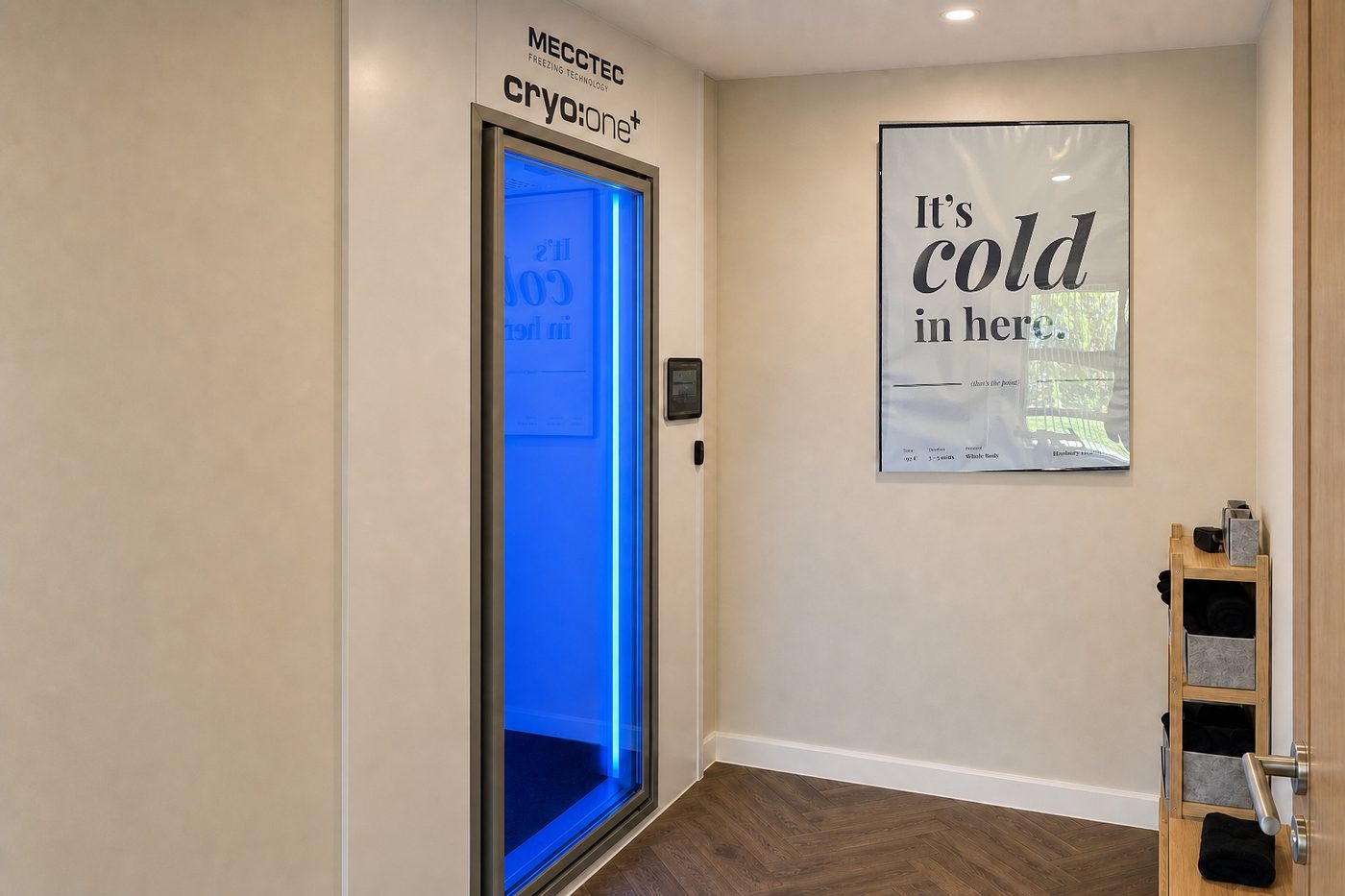
The circuit opens with three to four minutes of whole-body cryotherapy at around minus 90°C. The extreme cold triggers a protective circulatory response and a rise in noradrenaline, which together help reduce muscle soreness and the feeling of fatigue after hard exercise, and leave most people feeling alert and clear. It is brief, dry and guided throughout, and it sets the tone for the session by delivering the sharpest, most activating stimulus first.
Step two: compression boots
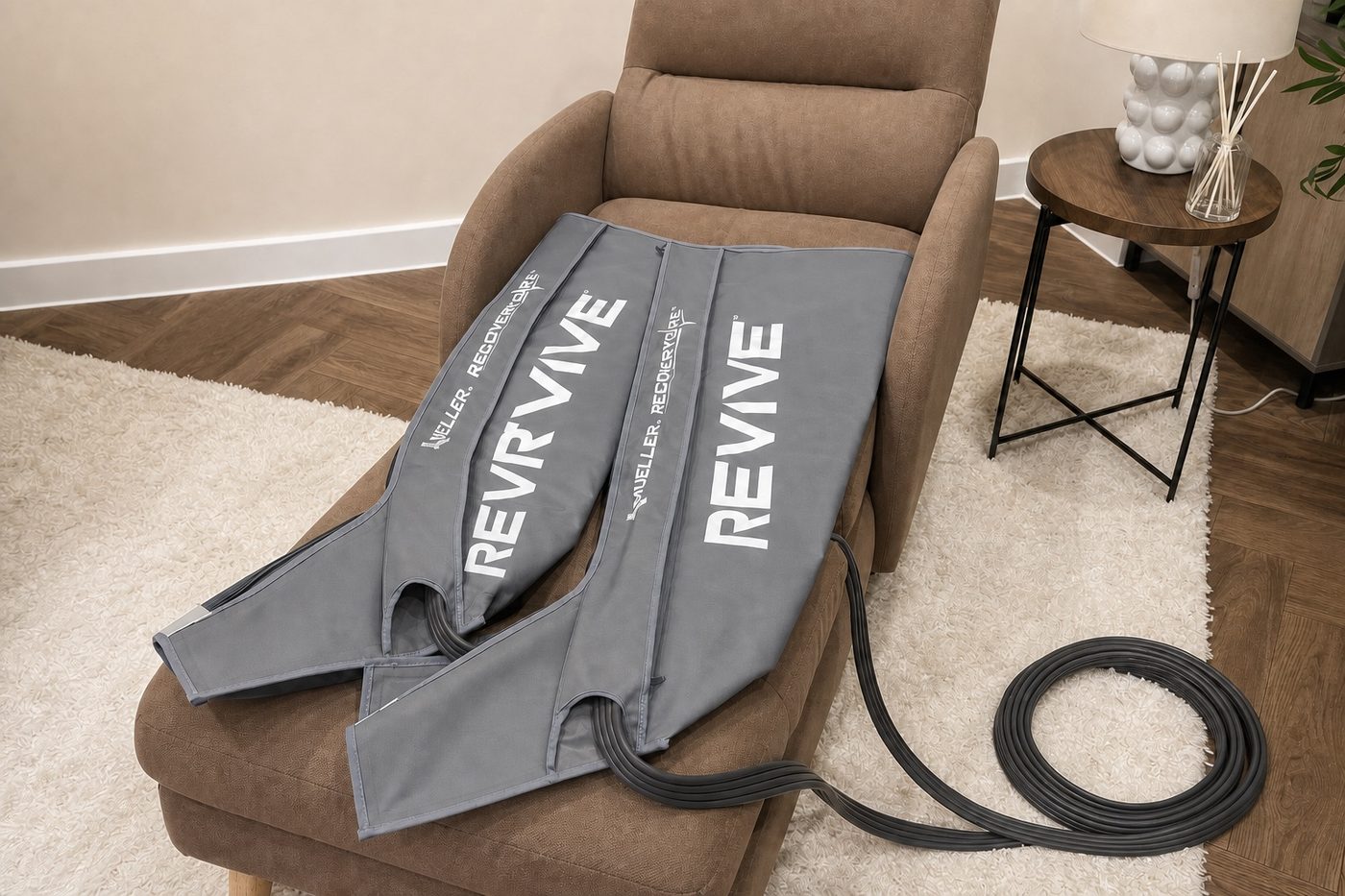
Next, inflatable boots wrap the legs and inflate in a rhythmic, wave-like sequence from the feet upwards. This intermittent pneumatic compression acts like a massage, boosting circulation and helping flush fluid and metabolic by-products out of tired legs, so they feel lighter and less heavy. After the intensity of the cold, this stage is comfortable and soothing, working the circulatory and lymphatic side of recovery while you relax.
Step three: the Shiftwave chair
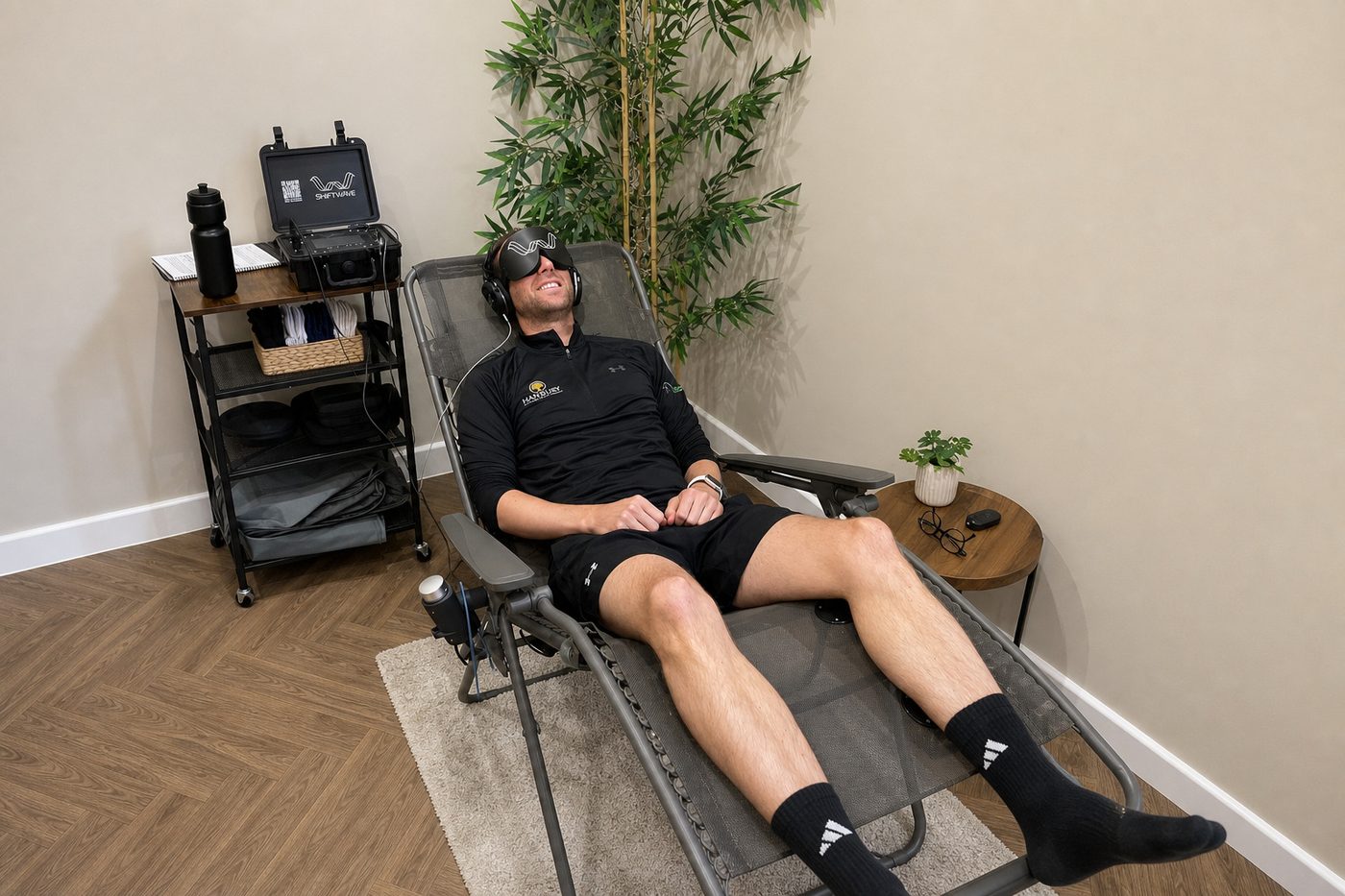
The circuit finishes with the Shiftwave chair, which targets the part of recovery most people neglect: the nervous system. Through pressure waves, vibration and guided breathing, it is designed to shift you out of a stressed, activated state into the calmer, "rest and recover" state where genuine repair and good sleep happen. Ending here is deliberate, so you leave the session physically eased and mentally calm instead of buzzing from the cold.
Who the circuit is for
The circuit suits three kinds of people especially. The athlete or serious trainer, using it to manage load and keep training consistently. The person navigating a physically or mentally demanding stretch, for whom it is a genuine reset. And the person in rehabilitation, for whom recovery supports their physiotherapy, though anyone recovering from injury should speak to a physio expert first. You do not need to be sporty, and you do not need to know which system suits you before you come. The guided format, and the short conversation at the start, are there to make it easy.
Why Hanbury Health is different
Most places that offer cryotherapy, compression boots or a Shiftwave chair offer them as separate bookings, if they offer all three at all. Here they run as one guided visit, and the same team can see your notes from physiotherapy or a performance test if that is relevant to how they guide your session. If you come in with a niggle or an old injury, that gets flagged rather than overlooked because you happened to book recovery instead of physiotherapy that day.
Enquire about the Recovery Circuit
The introductory guided circuit, cryotherapy, compression boots and the Shiftwave chair, is £75. Bring a towel, swimwear and water; everything else is provided. If you are recovering from an injury or surgery, speak to your physio expert first.
Frequently asked questions
What is the Hanbury recovery circuit?
A guided, expert-led visit through three recovery systems in order: cryotherapy, compression boots and the Shiftwave chair, targeting the muscular, circulatory and nervous-system sides of recovery in one session.
How much does the recovery circuit cost?
The introductory guided circuit is £75, designed as a low-commitment way to try three systems in one visit.
Why do the three in that order?
You begin with the sharp, activating cold, move to soothing compression, and finish with the calming Shiftwave chair, so you leave settled and clear rather than wired.
How long does the circuit take?
Allow a comfortable visit rather than a rushed one: a short welcome conversation, then the three guided steps, then a brief debrief. The cryotherapy portion itself is only three to four minutes.
Do I need to be an athlete to do the recovery circuit?
No. It suits athletes, people under high load, and those in rehabilitation. If you are recovering from injury, speak to a physio expert first.
References
- Rose C, Edwards KM, Siegler J, Graham K, Caillaud C. Whole-body Cryotherapy as a Recovery Technique after Exercise: A Review of the Literature. International Journal of Sports Medicine, 2017;38(14):1049-1060.
- Dupuy O, Douzi W, Theurot D, Bosquet L, Dugué B. An Evidence-Based Approach for Choosing Post-exercise Recovery Techniques. Frontiers in Physiology, 2018;9:403.
Ready to put this into practice?
About the author: Prof Arul Ramasamy is a consultant orthopaedic surgeon and a founder of Hanbury Health. He holds a PhD in bioengineering from Imperial College London, where he is a Visiting Professor, and is a Fellow of the Royal College of Surgeons (Trauma and Orthopaedics). He leads Hanbury's approach to recovery, performance and long-term health.
General information, not medical advice. Written by Prof Arul Ramasamy. Medically reviewed by Nick Allen BSc (Hons) MCSP. Last reviewed: 25 July 2026.
Related insights
Recovery
Compression boots or the Shiftwave chair: which do you actually need?
Heavy legs point to the compression boots, a wired nervous system to the Shiftwave chair. How to tell, and why the £75 circuit covers both.
Ramasamy8 min readRead the article
Recovery
How often should you do the Recovery Circuit, and how do you build it into a routine?
Once or twice a week suits most people. How to find your own rhythm with the £75 Recovery Circuit, and when to add the rest of the suite.
Ramasamy8 min readRead the article
Recovery
What does a Hyrox-specific recovery routine actually look like in Milton Keynes?
Match what you feel after a Hyrox race to the right tool: heavy legs, a wired nervous system, localised DOMS and cumulative training-block fatigue.
Ramasamy9 min readRead the article
Stay informed
More from the Hanbury team.
New articles on recovery, movement, physiotherapy and performance, sent when there's something worth reading. No spam, unsubscribe any time.