
Recovery
Which recovery therapy is best for muscle soreness (DOMS)?
The short version
- Massage has the strongest evidence for reducing muscle soreness and fatigue.
- Cold and cryotherapy are especially good at calming post-exercise inflammation.
- Contrast therapy is helpful and invigorating; compression eases heavy, sore legs.
- There is no single winner, match the method to your goal and what you'll actually keep doing.
- Sleep, nutrition, hydration and sensible progression still outrank any single recovery gadget.
If you want a single answer, the evidence points to massage as the most effective single technique for reducing delayed-onset muscle soreness, with cold and contrast therapies also helping. But the more useful answer is that there is no universal winner: the best recovery therapy depends on what you are trying to achieve, how much soreness you have, and what you will realistically keep doing. A large review comparing recovery methods found massage came out on top for soreness and fatigue, while cold-water immersion was particularly good at calming the inflammation that follows hard exercise. Matching the method to the goal beats chasing a single "best".
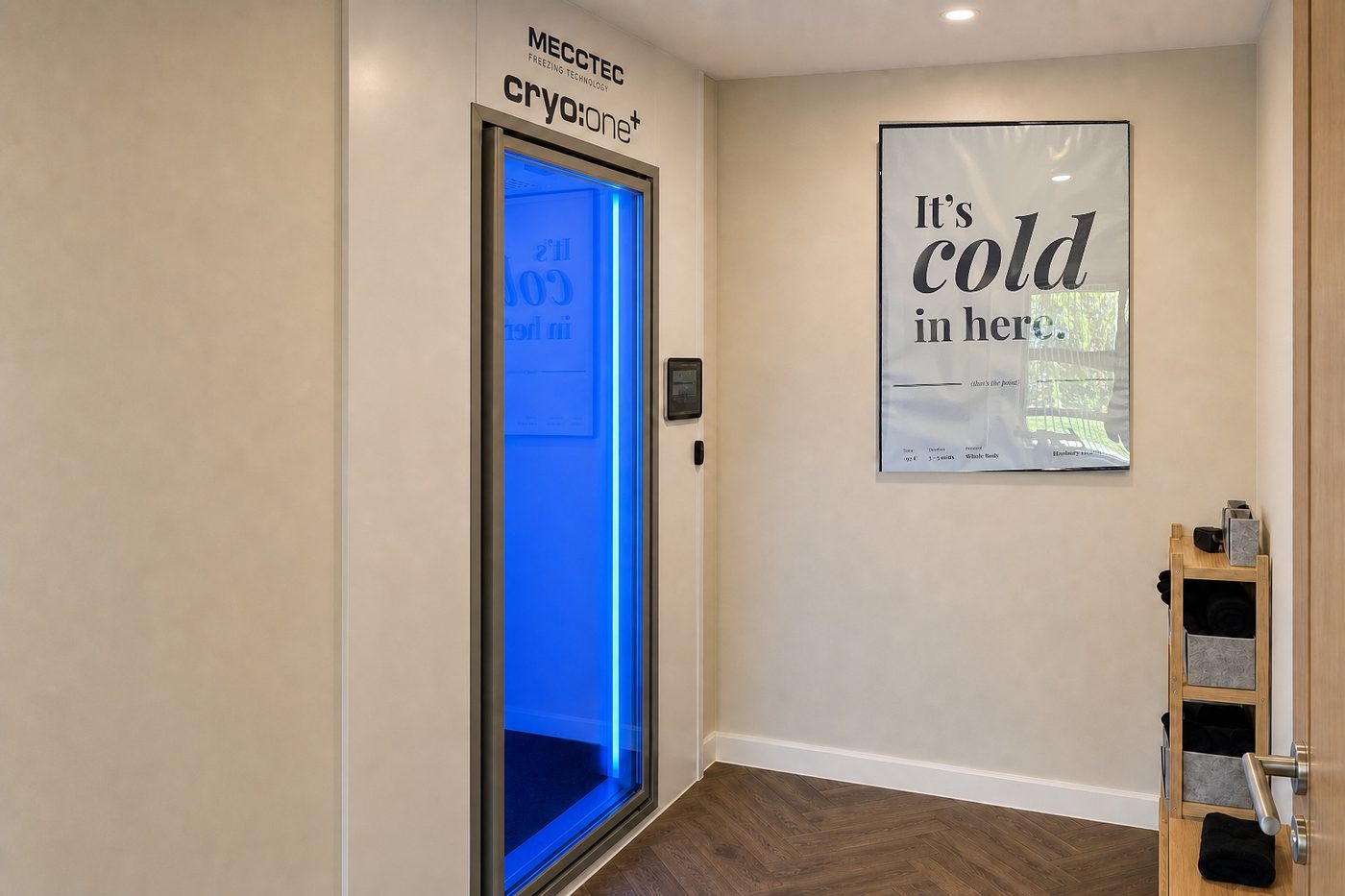
The evidence-based shortlist for DOMS: massage (strongest for soreness and fatigue), cold and cryotherapy (good for inflammation and acute soreness), contrast therapy (helpful and invigorating), compression (eases heavy, sore legs). Choose by goal and preference.
First, what DOMS actually is
Delayed-onset muscle soreness is the stiffness and tenderness that shows up a day or two after hard or unfamiliar exercise. It reflects the micro-damage and inflammation that follow when you work muscles harder than they are used to, and it is a normal, temporary part of adaptation, not an injury. Because it peaks at twenty-four to seventy-two hours and then fades, the aim of recovery therapy is to reduce its severity and the sense of fatigue that comes with it, so you can move more comfortably and train again sooner, not to "cure" something that would resolve anyway.
What the evidence says works
A systematic review with meta-analysis compared the common recovery techniques head to head for their effect on soreness, fatigue and markers of muscle damage. Massage emerged as the most effective single method for reducing both DOMS and perceived fatigue. Cold-water immersion and cryotherapy were effective too, and stood out for reducing inflammatory markers, which fits their mechanism of calming the post-exercise inflammatory response. Contrast therapy and compression also helped reduce soreness compared with doing nothing. The overall message is that several methods genuinely work, with massage the standout for soreness specifically, and the differences between the others being modest.
How to choose the right one for you
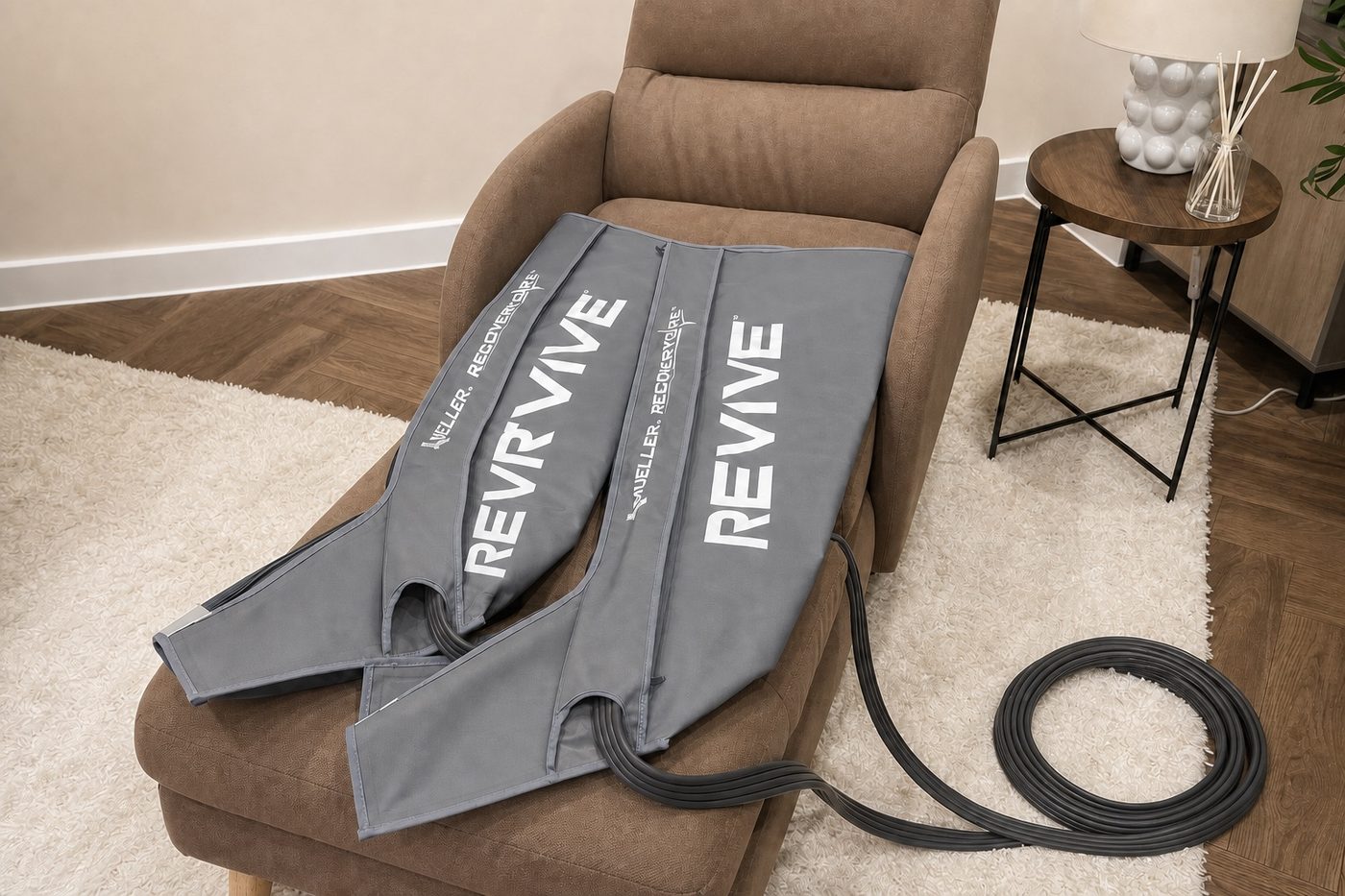
Rather than hunting for the single best, match the tool to your situation. If your main problem is deep soreness and fatigue after a hard block, massage has the best evidence. If you want to calm inflammation and feel sharp after an intense session, cold or cryotherapy suits well. If you enjoy an invigorating routine and want a bit of everything, contrast therapy is a good fit. If your legs feel heavy and swollen after long efforts, compression is comfortable and effective. And crucially, the best method is also the one you will actually use consistently, because regular, decent recovery beats an ideal method you skip.
What matters more than any single therapy
It is worth keeping perspective. No recovery gadget outweighs the basics: sleep, adequate protein and nutrition, hydration, and sensible training progression do more for soreness and recovery than any therapy on this list. The therapies are useful additions that make hard training more manageable and more comfortable; they are not substitutes for the foundations.
Why Hanbury Health is different
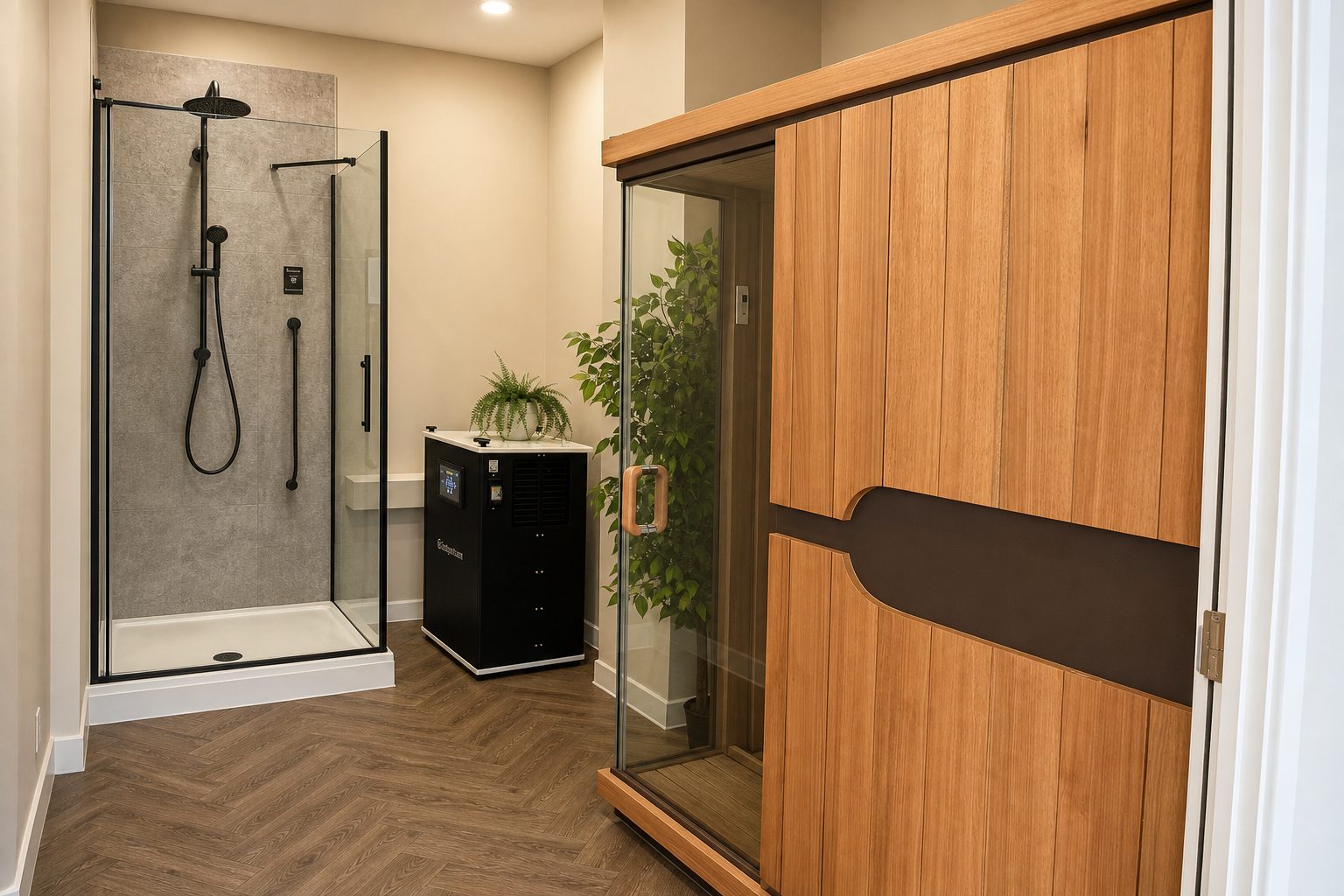
The honest conclusion, that several methods work and the best depends on your goal, is only useful if you can actually reach them all. That is the point of a proper recovery suite: here you can combine cold, compression, heat, contrast and nervous-system recovery, and get advice on which to use for a given goal, so choosing the right recovery is a guided decision rather than a guess based on whatever single gadget you happen to own.
Frequently asked questions
What is the single best therapy for muscle soreness?
The evidence points to massage as the most effective single method for reducing DOMS and fatigue, with cold, contrast and compression also helping. The best choice depends on your goal.
Does cryotherapy or an ice bath help DOMS?
Yes. Cold methods are effective for acute soreness and are particularly good at reducing the inflammation that follows hard exercise.
Is there any point using recovery tools if soreness goes away anyway?
DOMS does resolve on its own, but recovery methods can reduce its severity and the accompanying fatigue, so you move more comfortably and train again sooner.
What helps DOMS more than any gadget?
Sleep, good nutrition and hydration, and sensible training progression. Recovery therapies are useful additions, not replacements for the basics.
Where can I access these therapies in Milton Keynes?
Hanbury Health in Milton Keynes brings cold, compression, heat, contrast, red light and nervous-system recovery together in one suite.
References
- Dupuy O, Douzi W, Theurot D, Bosquet L, Dugué B. An Evidence-Based Approach for Choosing Post-exercise Recovery Techniques to Reduce Markers of Muscle Damage, Soreness, Fatigue, and Inflammation. Frontiers in Physiology, 2018;9:403.
- Bieuzen F, Bleakley CM, Costello JT. Contrast Water Therapy and Exercise Induced Muscle Damage: A Systematic Review and Meta-Analysis. PLoS ONE, 2013;8(4):e62356.
Ready to put this into practice?
About the author: Prof Arul Ramasamy is a consultant orthopaedic surgeon and a founder of Hanbury Health. He holds a PhD in bioengineering from Imperial College London, where he is a Visiting Professor, and is a Fellow of the Royal College of Surgeons (Trauma and Orthopaedics). He leads Hanbury's approach to recovery, performance and long-term health.
General information, not medical advice. Written by Prof Arul Ramasamy. Medically reviewed by Nick Allen BSc (Hons) MCSP. Last reviewed: 25 July 2026.
Related insights
Recovery
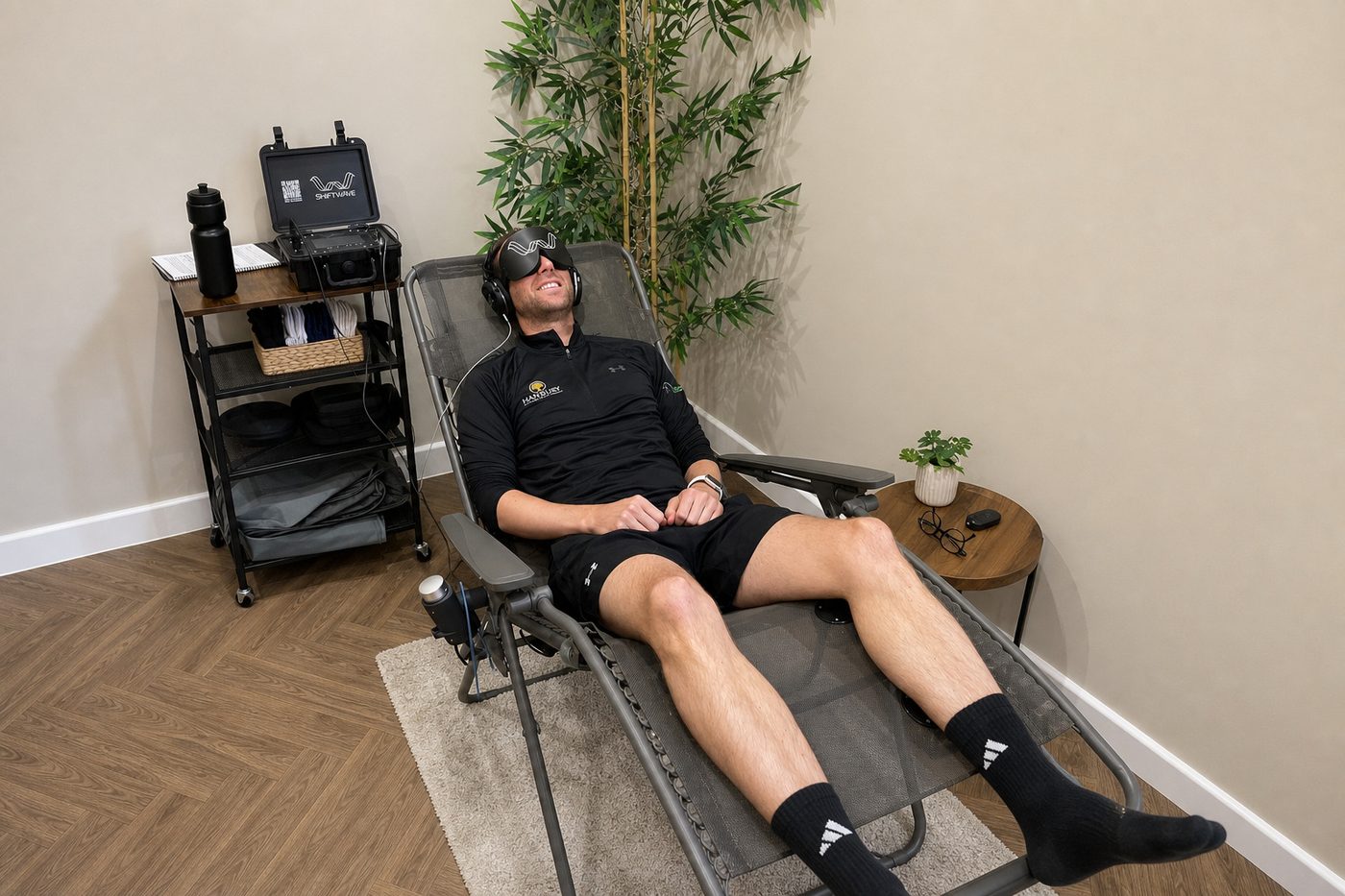
Compression boots or the Shiftwave chair: which do you actually need?
Heavy legs point to the compression boots, a wired nervous system to the Shiftwave chair. How to tell, and why the £75 circuit covers both.
Ramasamy8 min readRead the article
Recovery
How often should you do the Recovery Circuit, and how do you build it into a routine?
Once or twice a week suits most people. How to find your own rhythm with the £75 Recovery Circuit, and when to add the rest of the suite.
Ramasamy8 min readRead the article
Recovery
What does a Hyrox-specific recovery routine actually look like in Milton Keynes?
Match what you feel after a Hyrox race to the right tool: heavy legs, a wired nervous system, localised DOMS and cumulative training-block fatigue.
Ramasamy9 min readRead the article
Stay informed
More from the Hanbury team.
New articles on recovery, movement, physiotherapy and performance, sent when there's something worth reading. No spam, unsubscribe any time.