
Recovery
What are the benefits of a cold plunge or ice bath?
The short version
- Best-supported benefit: reduced muscle soreness after hard exercise.
- Reliable felt effect: a sharp lift in alertness and mood.
- Broader claims (metabolism, immunity, long-term health) remain mixed.
- Check first if you have heart, blood pressure or circulatory conditions.
- A guided cold shower is more repeatable than a tub of ice at home.
Cold plunges, ice baths and cold showers all deliver the same thing, a short, sharp dose of cold, and the benefits people seek from them fall into two groups: physical recovery (reduced muscle soreness after hard exercise) and how you feel (a lift in alertness, mood and resilience). The evidence is strongest for reducing post-exercise soreness, reasonable for the mood and alertness effect, and more mixed or preliminary for the bigger wellness claims. Used sensibly, cold exposure is a genuinely useful, invigorating recovery tool, and one that has become popular for good reason, not just hype.
How cold exposure works
When you plunge into cold water or stand under a cold shower, your body reacts fast to protect its core. Blood vessels near the surface constrict, drawing warm blood inward, and the shock triggers a surge of noradrenaline and adrenaline, the chemicals behind that gasping, wide-awake feeling. On warming up, the vessels open again and blood flushes back through the tissues. That constrict-then-flush cycle, plus the hormonal surge, is thought to underlie both the soreness relief and the mental lift people describe.
The recovery benefit
The best-evidenced use of cold is reducing muscle soreness after exercise. A Cochrane review found that cold-water immersion reduces the delayed-onset muscle soreness that follows hard training, compared with doing nothing, and reviews of recovery methods include cold among the effective options. For someone who has trained hard and wants to feel less stiff and sore the next day, a cold plunge or ice shower is a reasonable, evidence-backed choice. As with cryotherapy, one caveat applies: if your goal is maximum muscle growth, avoid heavy cold exposure immediately after every strength session, since it may slightly blunt the adaptation.
The mood and alertness benefit
Beyond recovery, many people use cold for how it makes them feel, and there is a real basis for this. The cold-shock response floods the body with noradrenaline, producing a distinct lift in alertness, focus and mood that can last well beyond the plunge itself. There is even early evidence connecting regular cold exposure to wellbeing and resilience. Being honest, the research on cold specifically for mental health is still developing, but the immediate, reliable "reset" that people feel is genuine, and for many it is the main reason they keep going back.
Who should take care
Cold exposure is a real physiological stressor, so it is not for everyone. Check with a doctor first if you have a heart condition, uncontrolled high blood pressure or a history of stroke, a cold-related condition such as Raynaud's, or circulatory problems. Never plunge somewhere unsafe or alone in open water, ease in rather than forcing a long first exposure, and get out if you feel unwell. Done in a controlled, guided setting, cold exposure is safe for most healthy adults.
Why Hanbury Health is different
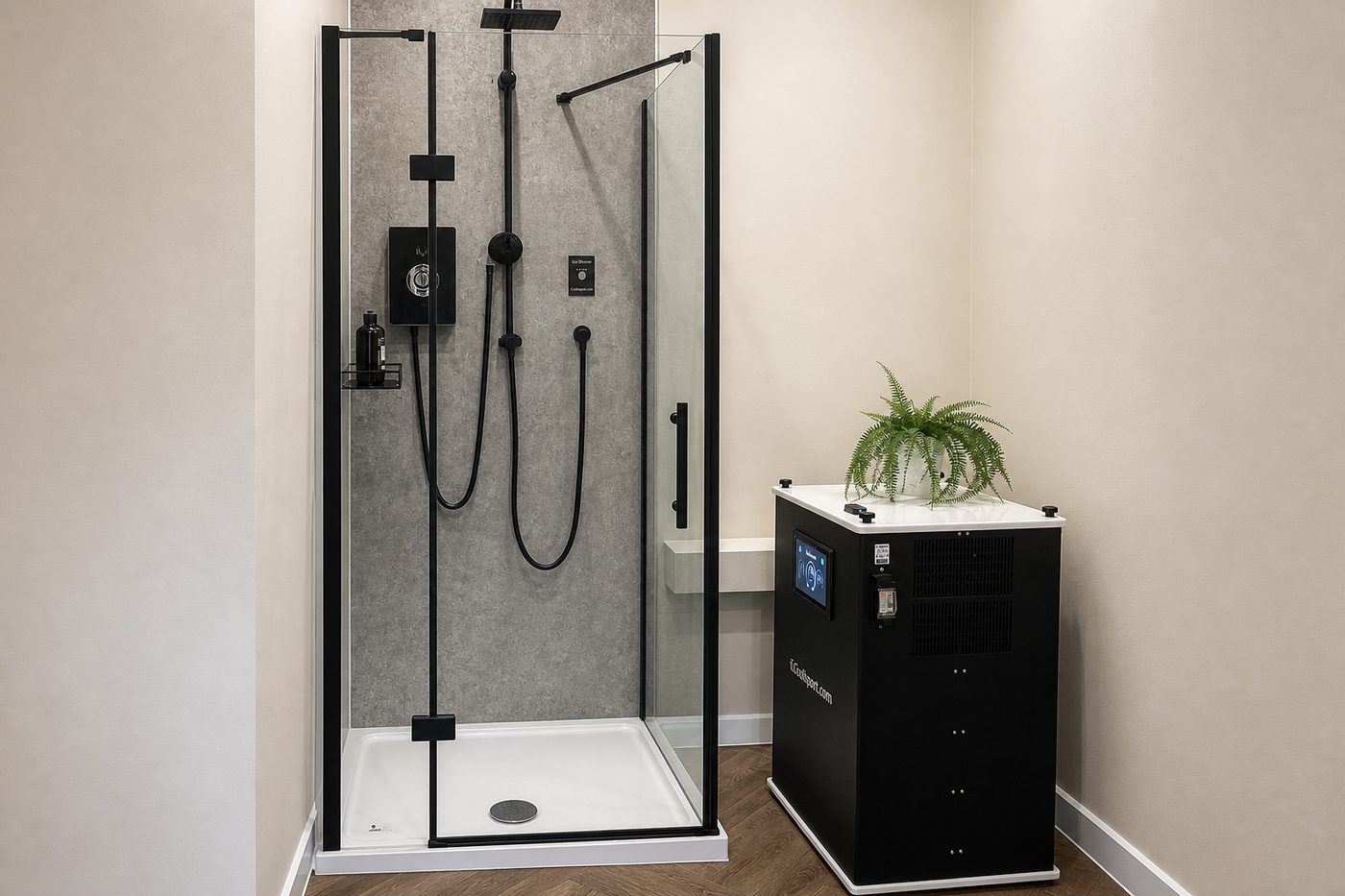
Most people meet cold exposure as either a grim tub of ice or a freezing open-water swim. At Hanbury it is a controlled, guided experience: our iCool ice shower, one of only a handful in the UK, delivers a consistent cold dose you can actually repeat, and it can be paired with heat for contrast therapy or with our other systems as part of a plan. Guided by experts and, where useful, informed by your training, cold is used when it will genuinely help, rather than endured for its own sake. See the full recovery suite for what fits alongside.
Frequently asked questions
Are cold plunges and ice baths actually good for you?
For reducing muscle soreness after exercise, yes, the evidence is supportive. Many people also get a reliable lift in alertness and mood. Broader health claims are more mixed and still being researched.
What is the difference between a cold plunge, ice bath and cold shower?
They differ mainly in how cold and how immersive they are, but all deliver a cold stimulus that drives the same basic response. A controlled cold shower is a convenient, repeatable way to get it.
Does cold water help sore muscles?
Yes. Cold-water immersion is shown to reduce delayed-onset muscle soreness after hard exercise compared with doing nothing.
Is cold exposure safe?
For most healthy adults, in a controlled setting, yes. Check first if you have heart, blood pressure or circulatory conditions, and never plunge alone in unsafe open water.
Where can I try cold-water recovery in Milton Keynes?
Hanbury Health in Milton Keynes offers a guided iCool ice shower, including as part of contrast therapy, within its recovery suite.
References
- Bleakley C, McDonough S, Gardner E, et al. Cold-water immersion (cryotherapy) for preventing and treating muscle soreness after exercise. Cochrane Database of Systematic Reviews, 2012.
- Buijze GA, Sierevelt IN, van der Heijden BC, et al. The Effect of Cold Showering on Health and Work: A Randomized Controlled Trial. PLoS ONE, 2016;11(9):e0161749.
Ready to put this into practice?
About the author: Prof Arul Ramasamy is a consultant orthopaedic surgeon and a founder of Hanbury Health. He holds a PhD in bioengineering from Imperial College London, where he is a Visiting Professor, and is a Fellow of the Royal College of Surgeons (Trauma and Orthopaedics). He leads Hanbury's approach to recovery, performance and long-term health.
General information, not medical advice. Written by Prof Arul Ramasamy. Medically reviewed by Nick Allen BSc (Hons) MCSP. Last reviewed: 25 July 2026.
Related insights
Recovery
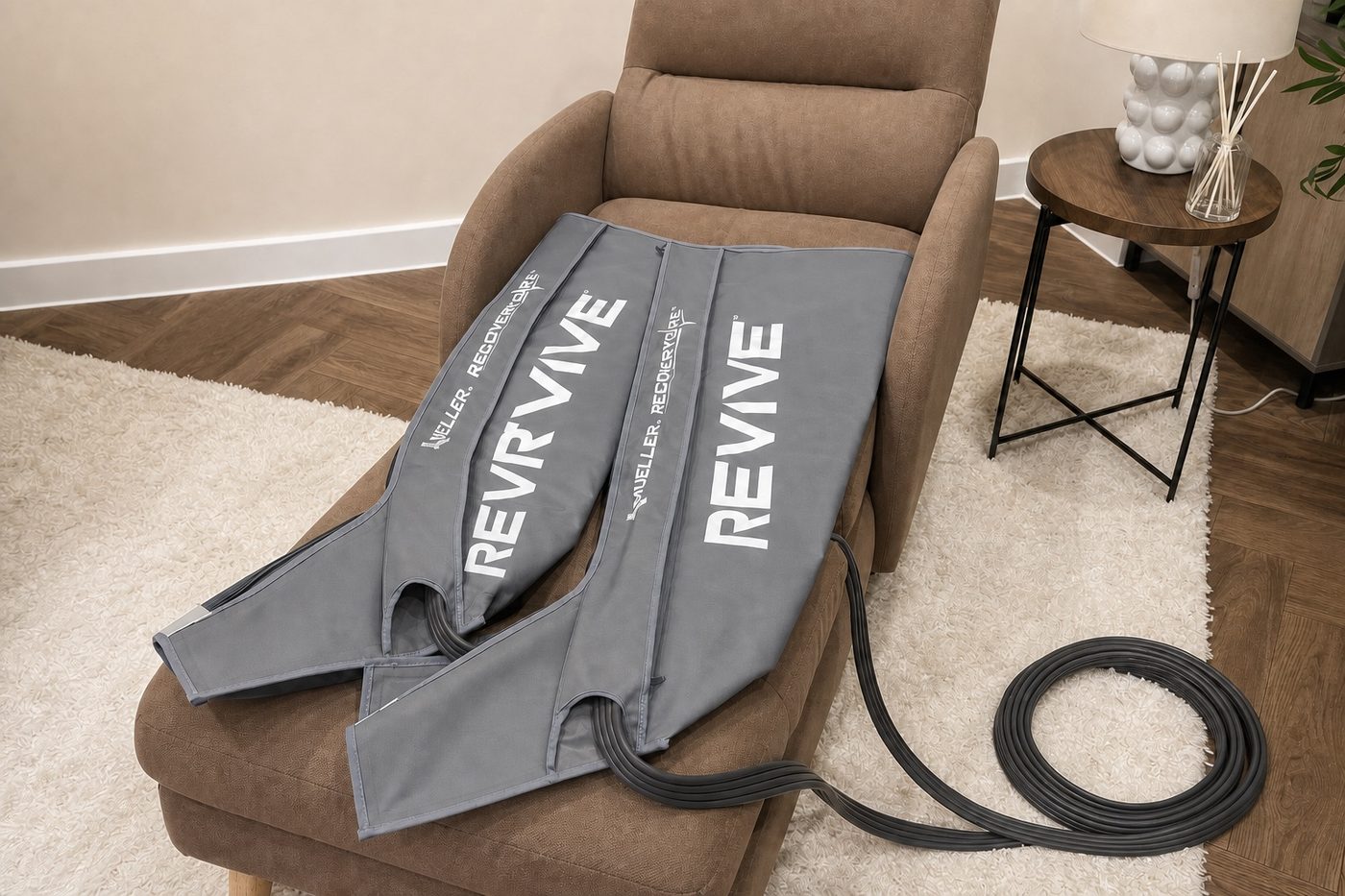
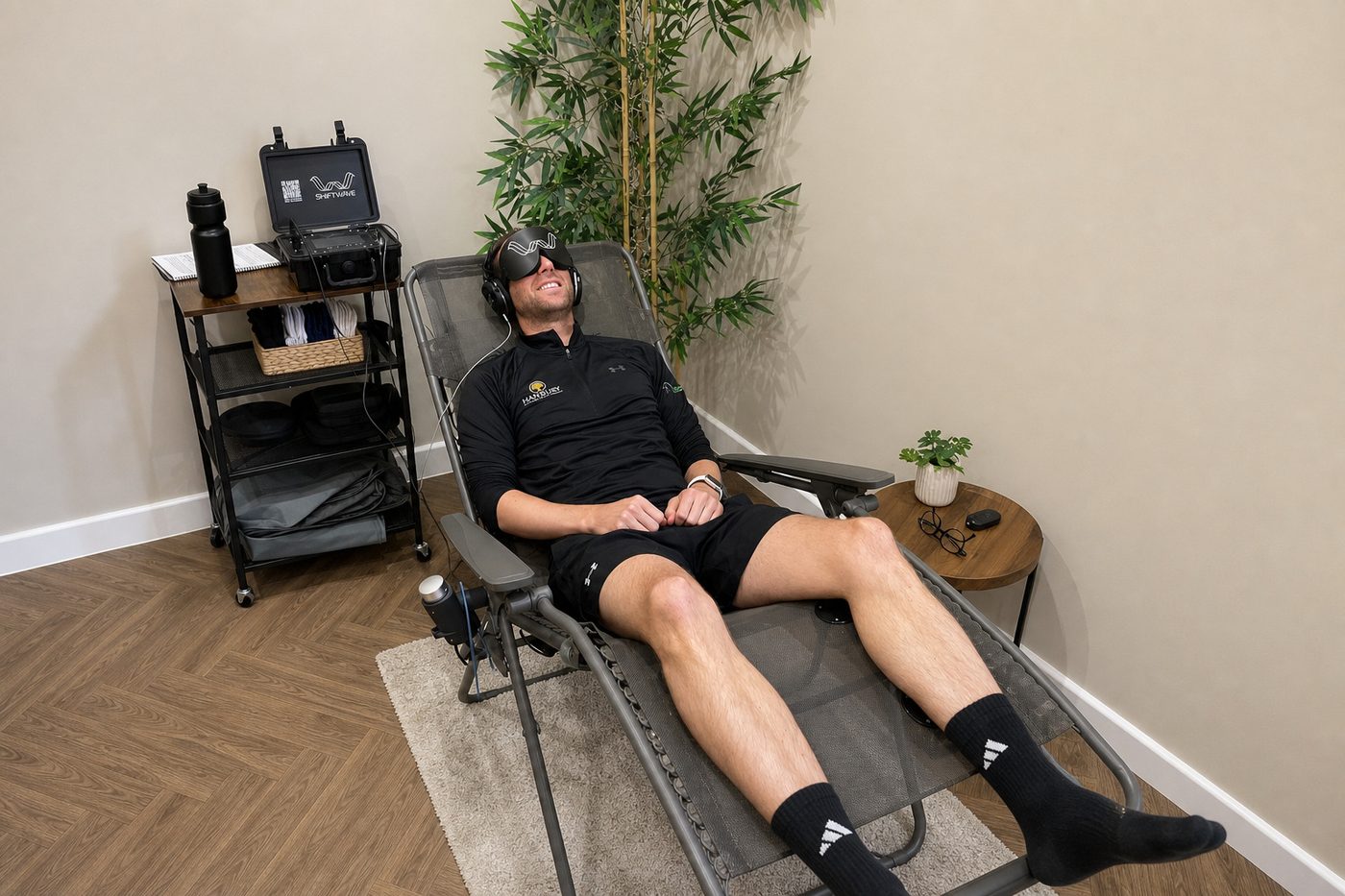
Compression boots or the Shiftwave chair: which do you actually need?
Heavy legs point to the compression boots, a wired nervous system to the Shiftwave chair. How to tell, and why the £75 circuit covers both.
Ramasamy8 min readRead the article
Recovery
How often should you do the Recovery Circuit, and how do you build it into a routine?
Once or twice a week suits most people. How to find your own rhythm with the £75 Recovery Circuit, and when to add the rest of the suite.
Ramasamy8 min readRead the article
Recovery
What does a Hyrox-specific recovery routine actually look like in Milton Keynes?
Match what you feel after a Hyrox race to the right tool: heavy legs, a wired nervous system, localised DOMS and cumulative training-block fatigue.
Ramasamy9 min readRead the article
Stay informed
More from the Hanbury team.
New articles on recovery, movement, physiotherapy and performance, sent when there's something worth reading. No spam, unsubscribe any time.