
Recovery
How to recover faster after a workout
The short version
- Sleep is the single highest-value recovery tool, protect it first.
- Adequate protein and hydration across the day beat any gadget.
- Progress training gradually, most 'poor recovery' is really too much, too soon.
- Gentle active recovery usually beats complete rest for how you feel.
- Recovery therapies are a genuine top-up once the foundations are in place.
Recovering faster after a workout comes down to getting the foundations right first, sleep, nutrition, hydration and sensible training, and then using recovery tools to top up, not the other way round. It is tempting to look for a gadget that speeds everything up, but the biggest gains come from the basics, and the therapies people get most excited about, cold, heat, compression and the rest, are genuinely useful additions on top of a solid base. This guide sets out what matters most, in order, so you can spend your effort where it counts.
The order that matters: sleep first, then nutrition and hydration, then sensible training and load, then active recovery, and finally recovery therapies as the top-up. Get the top of the list right before worrying about the bottom.
Sleep: the foundation nothing replaces
If you do one thing for recovery, protect your sleep. Much of the repair, tissue growth and hormonal recovery from training happens during deep sleep, and no therapy compensates for a chronic shortfall. Aiming for seven to nine hours, with consistent timings, does more for how you recover than any device. If you take recovery seriously, sleep is not the boring option to skip past, it is the single highest-value thing on this page.
Nutrition and hydration
Your muscles need raw materials to repair, and fluid to work well. Getting enough protein across the day supports muscle repair and adaptation, and rehydrating after sweating helps everything from muscle function to how you feel. You do not need to be precise or obsessive, but consistently under-eating protein or turning up dehydrated will slow your recovery in ways no recovery suite can fix. These basics are unglamorous and they work.
Sensible training and load
A surprising amount of "poor recovery" is really too much, too soon. Progressing your training gradually rather than in big jumps, and building in easier days and rest, lets your body adapt instead of just accumulating fatigue. Recovery is not only what you do after a session; it is also how sensibly you load in the first place. Respect that, and you will need to rescue yourself with recovery tools far less often.
Active recovery
On the days after hard sessions, gentle movement often beats complete stillness. Light activity, a walk, easy cycling, mobility or gentle yoga, increases blood flow and can ease soreness without adding meaningful stress. We cover this in detail in our guide to easing soreness after hard sessions. The principle is simple: keep moving gently, and let that circulation do some of the recovery work for you.
Where recovery therapies fit
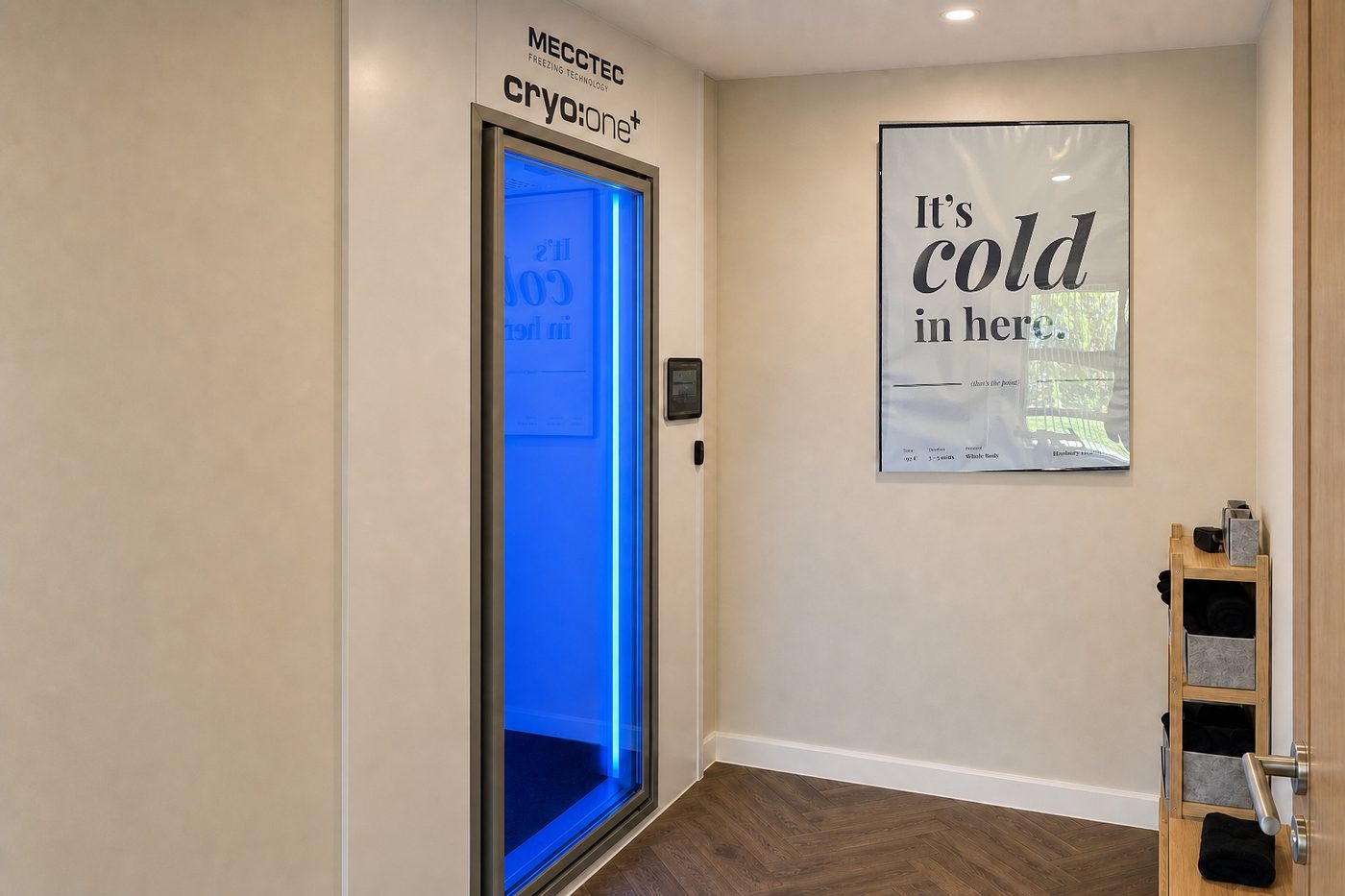
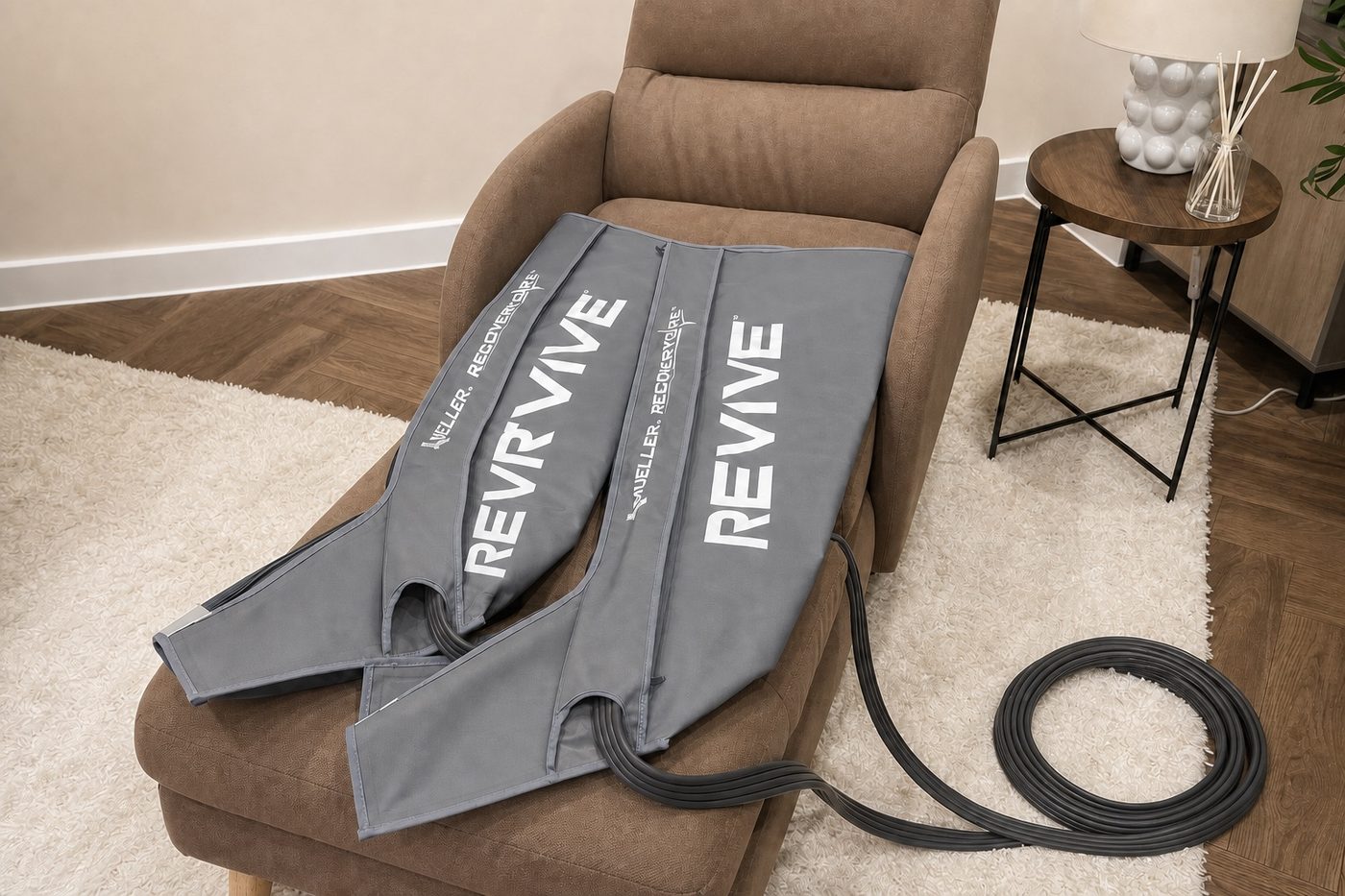
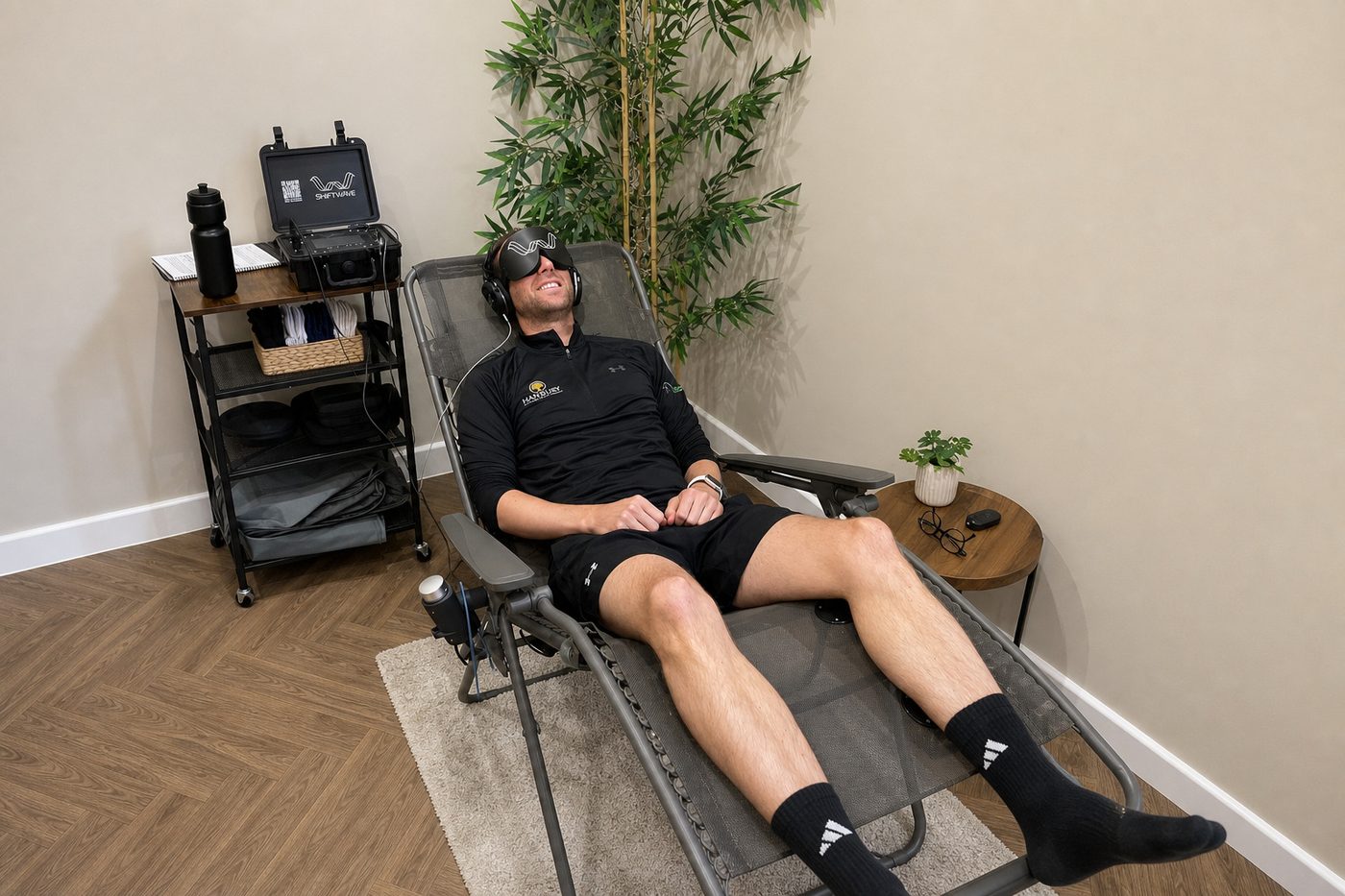
Once the foundations are in place, recovery therapies are a genuine and worthwhile top-up. Cold exposure and cryotherapy can reduce soreness, compression eases heavy legs, heat and contrast therapy aid circulation and relaxation, red light supports muscle recovery, and nervous-system tools help you switch off and sleep. None replaces the basics, but used around your hardest training they help you feel better and train more consistently. The evidence supports several methods; the best one for muscle soreness is largely the one that suits your goal and that you will actually use. Our guided recovery circuit stacks three of them in one visit.
Why Hanbury Health is different
Plenty of places will sell you a single recovery gadget. Hanbury takes the whole picture seriously: our recovery suite brings seven systems together, but it sits alongside the guidance, and the physiotherapy, performance and healthspan expertise, to get your foundations right too. That means your recovery is treated as a system, sleep, nutrition, load and therapies working together, rather than a machine bolted onto poor basics. It is recovery advice and recovery tools in one place, which is how you actually recover faster.
Frequently asked questions
What is the fastest way to recover after a workout?
Get the foundations right first, good sleep, adequate protein and hydration, and sensible training, then add recovery therapies as a top-up. The basics do the heavy lifting.
Do recovery gadgets actually work?
Several, including cold, compression, heat and red light, have real supporting evidence for soreness and how you feel. They are genuine additions, but not a substitute for sleep, nutrition and sensible training.
Should I rest completely or do active recovery?
For most people, gentle active recovery, light movement, often eases soreness better than complete rest, while still allowing you to recover.
How important is sleep for recovery?
It is the most important single factor. Much of the body's repair happens during deep sleep, and no therapy makes up for a chronic shortfall.
Where can I get recovery support in Milton Keynes?
Hanbury Health in Milton Keynes combines recovery therapies with guidance on the foundations, so your whole recovery is joined up.
References
Ready to put this into practice?
About the author: Prof Arul Ramasamy is a consultant orthopaedic surgeon and a founder of Hanbury Health. He holds a PhD in bioengineering from Imperial College London, where he is a Visiting Professor, and is a Fellow of the Royal College of Surgeons (Trauma and Orthopaedics). He leads Hanbury's approach to recovery, performance and long-term health.
General information, not medical advice. Written by Prof Arul Ramasamy. Medically reviewed by Nick Allen BSc (Hons) MCSP. Last reviewed: 25 July 2026.
Related insights
Recovery
Compression boots or the Shiftwave chair: which do you actually need?
Heavy legs point to the compression boots, a wired nervous system to the Shiftwave chair. How to tell, and why the £75 circuit covers both.
Ramasamy8 min readRead the article
Recovery
How often should you do the Recovery Circuit, and how do you build it into a routine?
Once or twice a week suits most people. How to find your own rhythm with the £75 Recovery Circuit, and when to add the rest of the suite.
Ramasamy8 min readRead the article
Recovery
What does a Hyrox-specific recovery routine actually look like in Milton Keynes?
Match what you feel after a Hyrox race to the right tool: heavy legs, a wired nervous system, localised DOMS and cumulative training-block fatigue.
Ramasamy9 min readRead the article
Stay informed
More from the Hanbury team.
New articles on recovery, movement, physiotherapy and performance, sent when there's something worth reading. No spam, unsubscribe any time.