
Recovery
What is mild hyperbaric oxygen therapy, and who is it for?
The short version
- Give hard-worked muscles and joints more oxygen to draw on while they repair, in a calm, pressurised chamber session.
- Add molecular hydrogen alongside the oxygen, an extra some people find useful, though the evidence here is still early.
- Settle in for around 60 to 90 minutes, no needles, no downtime, nothing to recover from afterwards.
- Use it as a considered extra during a heavier training block or around back-to-back events, not an everyday habit.
- Get an evidence-honest picture from the team, what is well established medically and what is still emerging for general recovery.
- Start with the £75 Recovery Circuit first in almost every case, this sits alongside it, not instead of it.
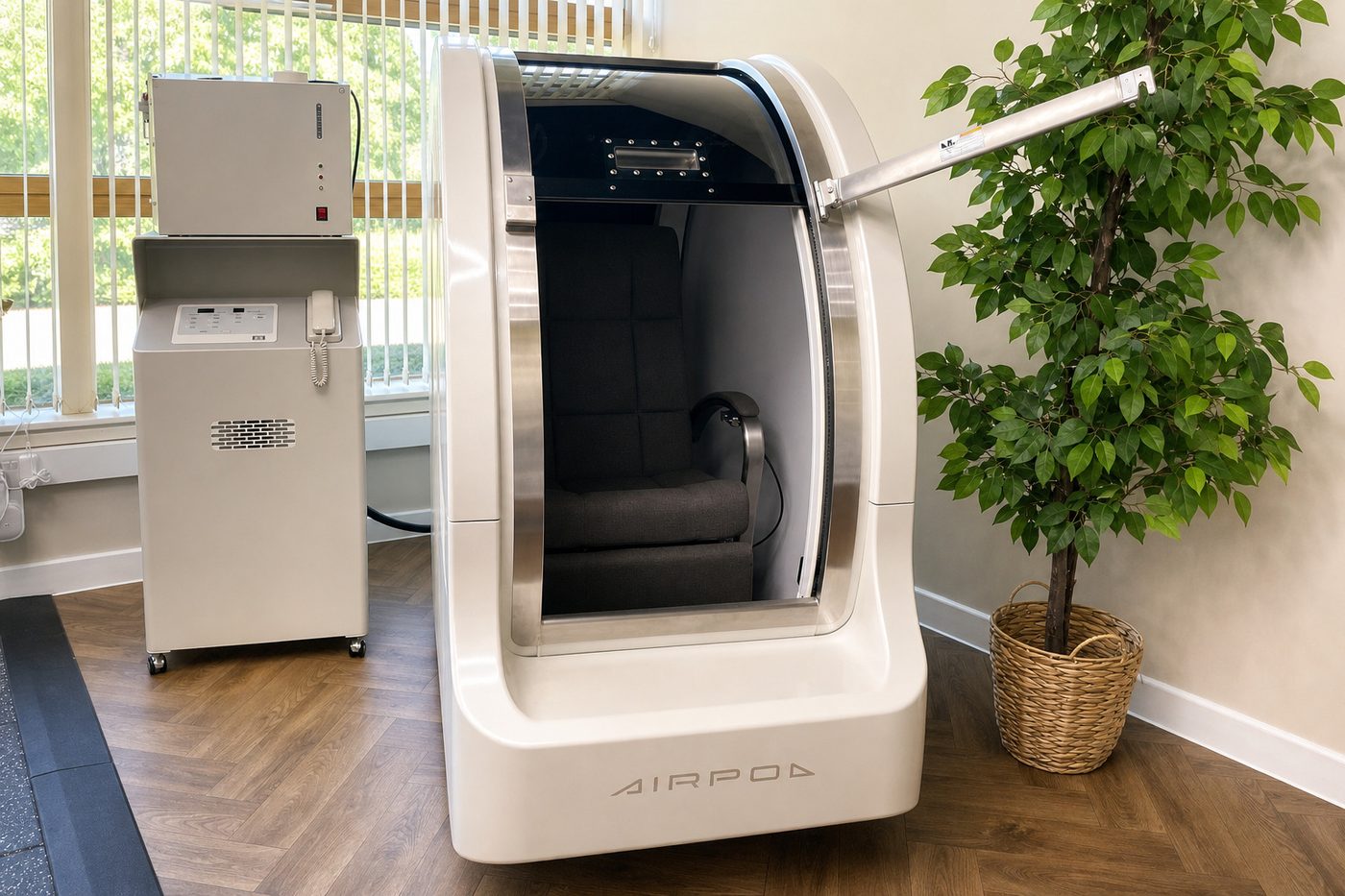
Some weeks, your body just will not catch up, however much you rest. Mild hyperbaric oxygen therapy is a calm, lie-back session in a pressurised chamber that increases the amount of oxygen reaching your tissues, giving a tired body a bit more to work with while it repairs itself. At Hanbury Health in Milton Keynes, it is one option in the recovery suite for people who want to go further than the basics, particularly through a heavy training block or in the weeks around back-to-back events.
It sits outside the £75 Recovery Circuit, as an option to add later rather than a starting point. Most people get most of what they need from the Circuit first. This is what mild HBOT actually is, what the evidence does and does not support, and how to know if it is worth adding.
What is mild hyperbaric oxygen therapy?
Hyperbaric oxygen therapy means breathing oxygen inside a pressurised environment. Under pressure, more oxygen dissolves into your blood plasma than it would at normal air pressure, which means more of it can reach tissue that is under strain, whether that is a healing wound or a muscle that has had a hard week.
"Mild" HBOT is a gentler version of this, run at lower pressure than the chambers used in hospitals. It is the difference between a therapeutic dose aimed at treating a specific medical condition, and a lighter session aimed at supporting general recovery. At Hanbury Health, the chamber also delivers molecular hydrogen alongside the oxygen, a pairing designed to support the body's repair processes during the session.
How is mild HBOT different from hospital-grade hyperbaric oxygen therapy?
This distinction matters, and it is one worth being upfront about. Hospital-grade HBOT is a recognised medical treatment for a specific, tightly defined list of conditions, including decompression sickness (the kind divers can get), carbon monoxide poisoning, certain slow-healing wounds such as diabetic foot ulcers, and tissue damaged by radiotherapy. These treatments are usually delivered at higher pressure, under medical supervision, as part of a proper course of care.
Mild HBOT, the kind you will find in a recovery suite, is not a substitute for that. It runs at lower pressure, and it is not used to treat those conditions. It is a wellness-context session, aimed at people who are otherwise healthy and training hard, not a treatment for injury, illness or a medical condition. If you have a wound that is not healing, or a condition on the recognised list, that is a conversation for your GP or a specialist hyperbaric unit, not a recovery suite booking.
| Mild HBOT (recovery suite) | Hospital-grade HBOT | |
|---|---|---|
| Pressure | Lower | Higher, clinically dosed |
| Purpose | General recovery support in a wellness context | Treatment of defined medical conditions |
| Setting | Recovery suite, single sessions | Specialist unit, supervised course of care |
| Suitable for | Healthy adults training hard | People referred for a recognised indication |
What actually happens during a session, and what is the hydrogen for?
You will lie back in the chamber for roughly 60 to 90 minutes while the pressure builds gradually and you breathe normally throughout. Most people find it relaxing rather than intense, a genuine chance to switch off. There is no needle, no procedure, and nothing to recover from afterwards, you can go straight back to your day.
The hydrogen is delivered alongside the oxygen during the same session. Molecular hydrogen has been studied as an antioxidant that may help calm the inflammatory response the body produces after hard exercise. The research so far is promising but early, mostly done in animal studies rather than large human trials, so call it an interesting extra, with proof still some way off.
What are the real benefits, and what is still unproven?
This is where it is worth being genuinely honest, because hyperbaric oxygen therapy carries two quite different bodies of evidence, and they should not be blurred together.
The medically established uses are well documented. Regulatory and professional bodies recognise a specific list of conditions where HBOT, delivered at proper clinical pressures, has real evidence behind it, including decompression sickness, carbon monoxide poisoning and problem wound healing. These are treatments with decades of clinical use and a genuine evidence base.
The wellness and sports-recovery use is a different picture. A 2025 systematic review in Archives of Physical Medicine and Rehabilitation found that HBOT meaningfully helped markers of muscle damage recover after exercise, but did not show a clear overall benefit for how sore people actually felt afterwards. A separate review of HBOT for musculoskeletal pain more broadly rated the certainty of the evidence as low across the board, with inconsistent results for exercise-related soreness specifically, and called for better-designed trials.
None of that means it does nothing. The honest answer, for general recovery and fatigue, is that the evidence is still developing. It is a reasonable thing to try as part of a considered approach, with no guarantee of a specific result. If you want a wider view of what tends to move the needle first, our guide to recovering faster after a workout is a sensible companion read.
Who is mild hyperbaric oxygen therapy for?
It tends to suit people who are already training seriously and want an extra layer of support, particularly through a demanding block or around back-to-back events, a race one weekend followed by another a few weeks later, for instance, or a stretch of Hyrox events close together.
It is less suited to someone just starting out with recovery therapy, or looking for a one-off treat. In that case, the £75 Recovery Circuit gives you a broader, more useful introduction to what the recovery suite can offer. Our guide to choosing the right recovery therapy for muscle soreness is a good next read.
If you are dealing with a wound, an infection or a medical condition on the established list, you need proper medical hyperbaric treatment, delivered as part of your care. That is a different thing to a wellness session here.
Is mild hyperbaric oxygen therapy safe?
For healthy adults, mild HBOT at lower pressure is generally well tolerated. The main practical consideration is your ears. As the pressure changes, you will need to equalise, much like on a flight, and if you struggle with that, or have a history of ear problems, it is worth mentioning before you book.
There are a small number of genuine contraindications. Untreated pneumothorax (a collapsed lung) is an absolute one, and anyone with significant lung disease, a recent ear or sinus problem, or who is pregnant should have a proper conversation with the team, or their GP, before a session. Claustrophobia is worth flagging too, since you are in an enclosed space for the best part of an hour and a half, though most modern chambers are more open than people expect.
Where can you get mild hyperbaric oxygen therapy in Milton Keynes?
Options for this kind of session in Milton Keynes are limited, which is one reason people travel in to use the recovery suite at Hanbury Health. It is part of the wider seven-system suite, alongside whole-body cryotherapy, compression boots, the Shiftwave chair, contrast therapy, red light therapy and a lymphatic drainage compression suit, so if hyperbaric oxygen is not the right fit, something else in the suite likely will be. Our guide to recovery therapy in Milton Keynes covers all seven and how they are priced.
How much does it cost, and how do you book?
Booking across the recovery suite is arranged with the team, so you are never left guessing at what to pick. The £75 Recovery Circuit is the entry point, and it is genuinely worth starting there, cryotherapy, compression boots and the Shiftwave chair in one guided visit, so you know what you are working with before adding anything else.
Mild hyperbaric oxygen therapy, along with other extended-suite options like contrast therapy, the lymphatic drainage suit and red light therapy, is priced and booked separately. The team can talk you through current pricing and help you decide whether it is worth adding, and when, based on what you are training for. Our piece on what the Recovery Circuit includes is a good place to start if you have not tried it yet, and our explainer on compression boots covers one of the three stations you will meet on the way round.
Why Hanbury Health is different
At Hanbury Health, mild hyperbaric oxygen therapy is treated as one part of a bigger picture.
We think about your wellbeing across six pillars, spanning movement, physiotherapy, recovery, performance, healthspan and the everyday habits that hold it all together. Mild hyperbaric oxygen therapy might earn its place in a heavier block, working alongside proper sleep, sensible training load and whatever else you are already doing to look after yourself.
That means when you come in, the conversation covers where this genuinely fits for you right now, whether that is a session or two around a big event, or honestly, not something you need yet. You leave with a plan that makes sense as a whole, built by experts who see the full picture.
Frequently asked questions
What does "mild" mean in mild hyperbaric oxygen therapy?
It refers to the pressure. Mild HBOT runs at a lower pressure than the hospital-grade chambers used to treat specific medical conditions. It is a gentler, wellness-context session, not a clinical treatment.
Does it hurt, or feel claustrophobic?
Most people find it relaxing rather than uncomfortable. The main sensation is a bit like your ears popping on a flight as the pressure changes. If you are prone to claustrophobia, it is worth mentioning before you book so the team can talk you through what to expect.
Is there real evidence hyperbaric oxygen therapy helps with sports recovery?
There is genuine evidence for HBOT in specific medical conditions like decompression sickness and slow-healing wounds. For general sports recovery and fatigue, the evidence is more mixed, some studies show it helps muscle damage markers recover, others find no clear benefit for how sore you actually feel. It is a reasonable option to try, not a guaranteed one.
What is molecular hydrogen, and why is it paired with the oxygen?
Molecular hydrogen is a gas that has been studied for its antioxidant properties, particularly around calming the inflammatory response after hard exercise. The research is promising but still early, largely from animal studies, so it is offered as a considered extra rather than a proven treatment.
Who should not try mild hyperbaric oxygen therapy?
Anyone with an untreated collapsed lung should not have any form of HBOT. If you are pregnant, have significant lung or ear problems, or a history of ear surgery, have a conversation with the team or your GP first. It is also not the right choice if you have a wound or condition that needs proper medical hyperbaric treatment.
Is mild hyperbaric oxygen therapy available in Milton Keynes outside a hospital setting?
Yes. It is part of the wellness-context recovery suite at Hanbury Health in Milton Keynes, alongside cryotherapy, compression boots, the Shiftwave chair, contrast therapy, red light therapy and the lymphatic drainage suit. It is separate from any hospital-based clinical hyperbaric treatment.
Do I need to try the Recovery Circuit first?
It is not compulsory, but it is genuinely the sensible starting point for almost everyone. The £75 Recovery Circuit gives you a broad, guided introduction to the recovery suite, so you know how your body responds before considering something like mild HBOT.
References
- Systematic review of hyperbaric oxygen therapy for recovery from exercise-induced muscle damage. Archives of Physical Medicine and Rehabilitation, 2025.
- Undersea and Hyperbaric Medical Society. Indications for hyperbaric oxygen therapy.
Ready to put this into practice?
About the author: Prof Arul Ramasamy is a consultant orthopaedic surgeon and a founder of Hanbury Health. He holds a PhD in bioengineering from Imperial College London, where he is a Visiting Professor, and is a Fellow of the Royal College of Surgeons (Trauma and Orthopaedics). He leads Hanbury's approach to recovery, performance and long-term health.
General information, not medical advice. Written by Prof Arul Ramasamy. Medically reviewed by Prof Arul Ramasamy MA PhD MBA FRCS(Tr+Orth). Last reviewed: 19 August 2026.
Related insights
Recovery
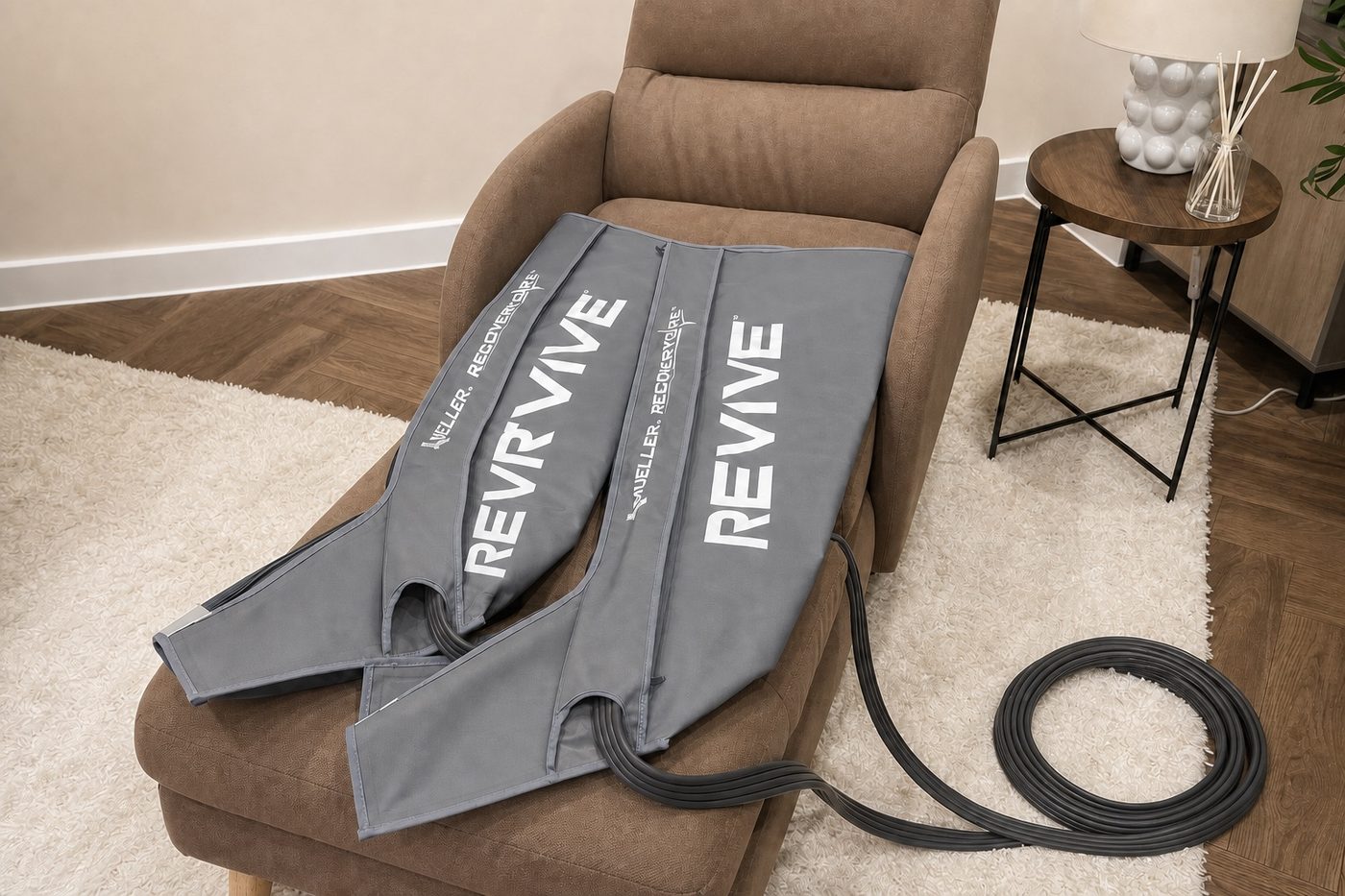
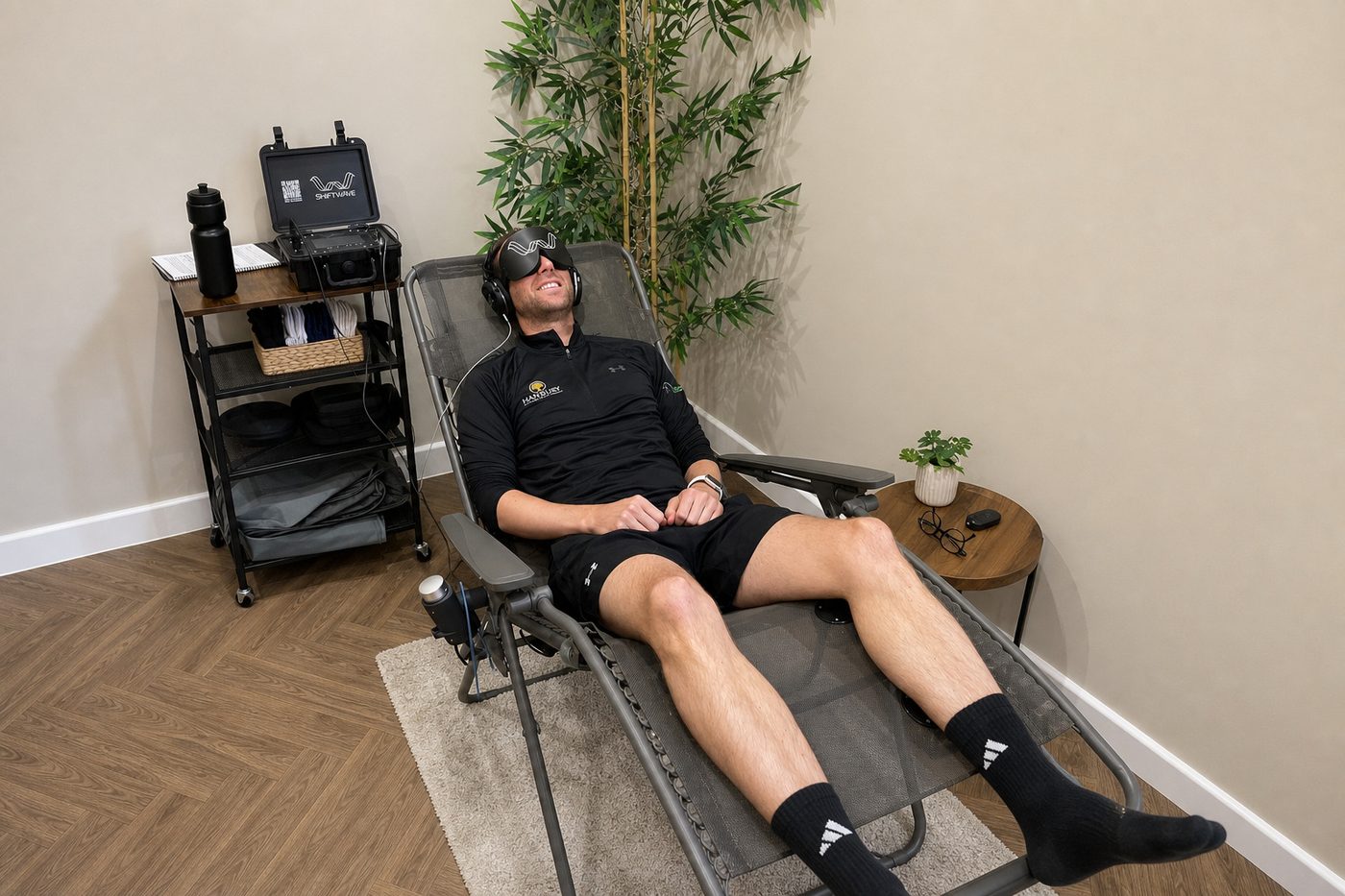
Compression boots or the Shiftwave chair: which do you actually need?
Heavy legs point to the compression boots, a wired nervous system to the Shiftwave chair. How to tell, and why the £75 circuit covers both.
Ramasamy8 min readRead the article
Recovery
How often should you do the Recovery Circuit, and how do you build it into a routine?
Once or twice a week suits most people. How to find your own rhythm with the £75 Recovery Circuit, and when to add the rest of the suite.
Ramasamy8 min readRead the article
Recovery
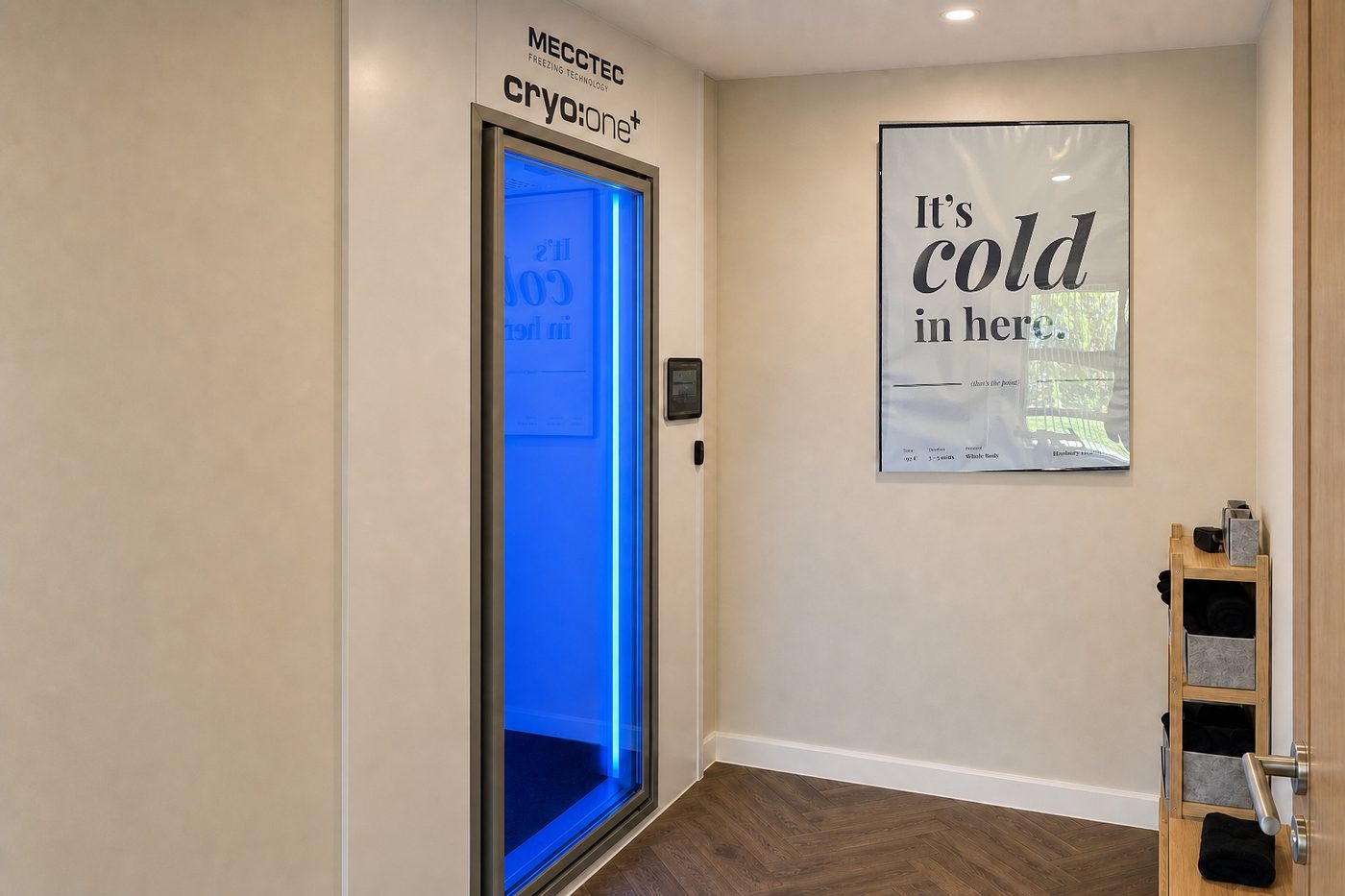
What does a Hyrox-specific recovery routine actually look like in Milton Keynes?
Match what you feel after a Hyrox race to the right tool: heavy legs, a wired nervous system, localised DOMS and cumulative training-block fatigue.
Ramasamy9 min readRead the article
Stay informed
More from the Hanbury team.
New articles on recovery, movement, physiotherapy and performance, sent when there's something worth reading. No spam, unsubscribe any time.